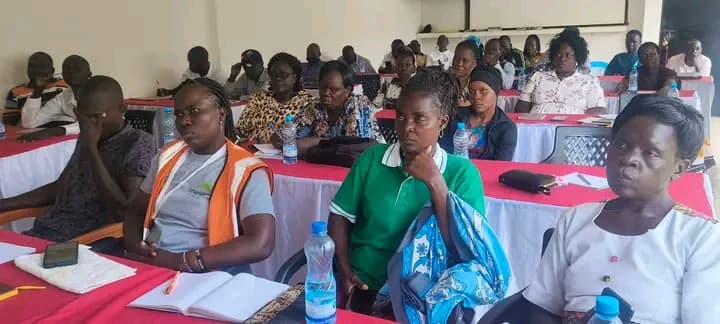


The Teachers Service Commission (TSC) has stepped up efforts to strengthen Competency-Based Education (CBE) by rolling out specialised training in film, music and sports for Junior School (JS) teachers, signalling a growing focus on nurturing learners' talents beyond conventional classroom instruction.
The initiative seeks to equip teachers with practical skills, creative approaches and the confidence needed to deliver learning in areas that demand performance, innovation, collaboration and hands-on participation.
The training is part of the ongoing transition to competency-based learning, which emphasises identifying individual learner abilities and providing opportunities for them to develop their talents.
Unlike conventional approaches that largely emphasise academic achievement, CBE recognises that learners have different abilities and interests that require deliberate nurturing. Music, sports and film provide platforms through which schools can develop creativity, communication, teamwork and practical competencies.
Through film-related instruction, teachers are expected to gain skills that will help learners explore storytelling, visual communication, creative expression and basic production techniques.
Film gives learners opportunities to communicate ideas, interpret experiences and build confidence through practical creative projects. It can also introduce them to emerging opportunities in the creative and digital industries.
The music component is intended to strengthen teachers' capacity to guide learners in musical expression, performance and other creative activities.
Beyond entertainment, music plays a role in developing discipline, confidence, cultural appreciation, creativity and self-expression. Equipping teachers with the necessary skills is expected to help schools provide more structured opportunities for learners to discover and nurture their musical abilities.
The sports component recognises the importance of physical education in developing well-rounded learners. Through structured sporting activities, learners acquire life skills including teamwork, leadership, discipline, resilience and respect for others.
The training is expected to improve teachers' ability to organise sporting activities, identify emerging talent and encourage wider learner participation.
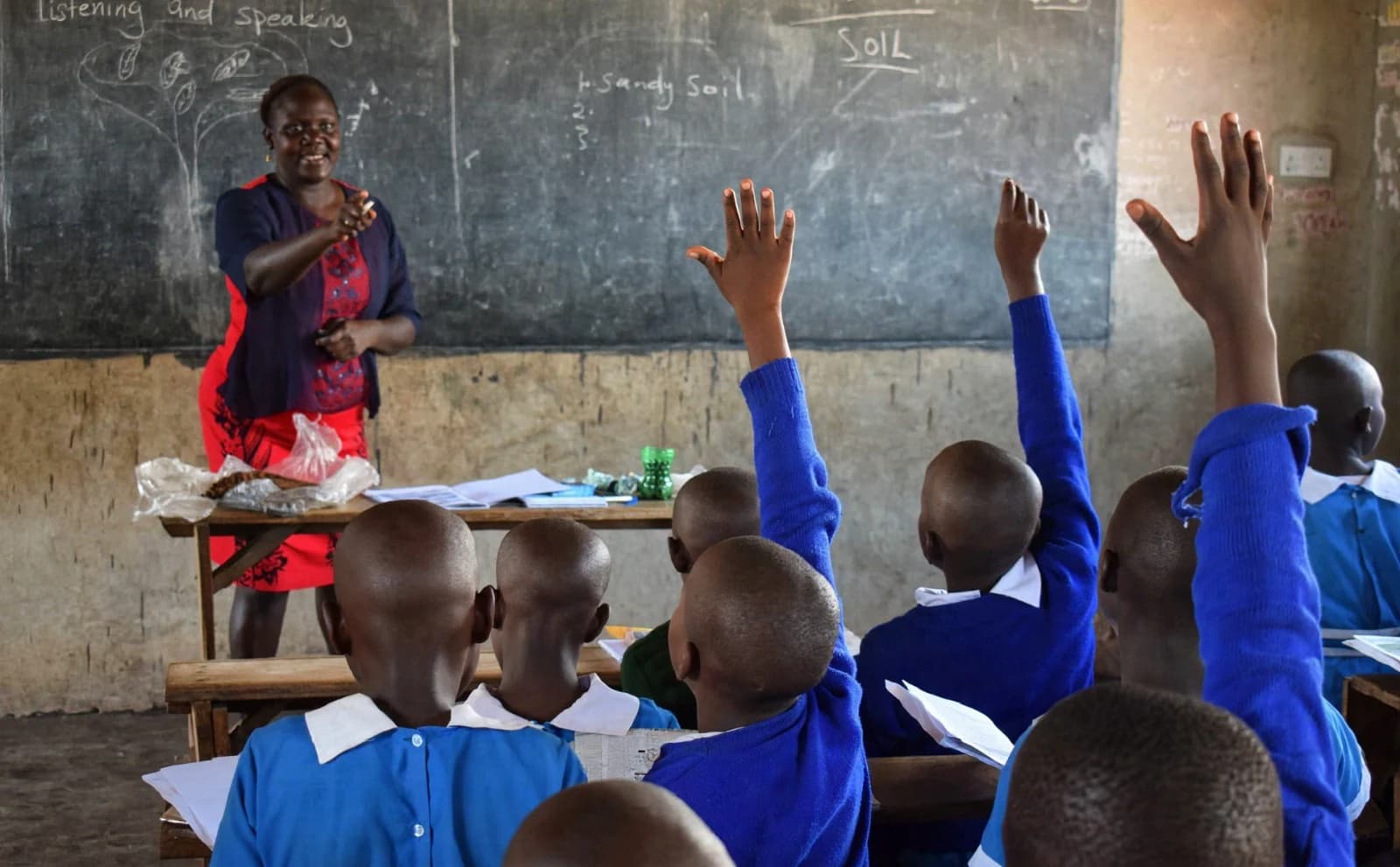
The latest training reinforces the central role teachers play in translating curriculum objectives into classroom experiences.
The success of such programmes will, however, depend on more than training alone. Schools require appropriate learning materials, adequate facilities, sufficient time for practical activities and sustained professional development. Teachers must also be supported to share newly acquired skills and effective instructional approaches with colleagues to strengthen implementation across schools.
As Junior Schools continue adjusting to the demands of CBE, the expanded focus on film, music and sports is expected to make learning more practical, inclusive and responsive to individual abilities. The measure of success will not simply be the number of teachers trained, but the extent to which learners get meaningful opportunities to discover their talents, develop their abilities and turn their potential into practical competencies.

Reader Discussion (0)
Sign in to comment