



More than 24,000 public primary schools are set to receive fresh learning materials in January 2027 as the government moves to address shortages and deterioration of textbooks used by learners under the Competency-Based Education (CBE) system.
The exercise will initially target learners in Grades One, Two and Three, with new textbooks in Mathematics, English and Kiswahili expected to improve access to essential classroom resources.
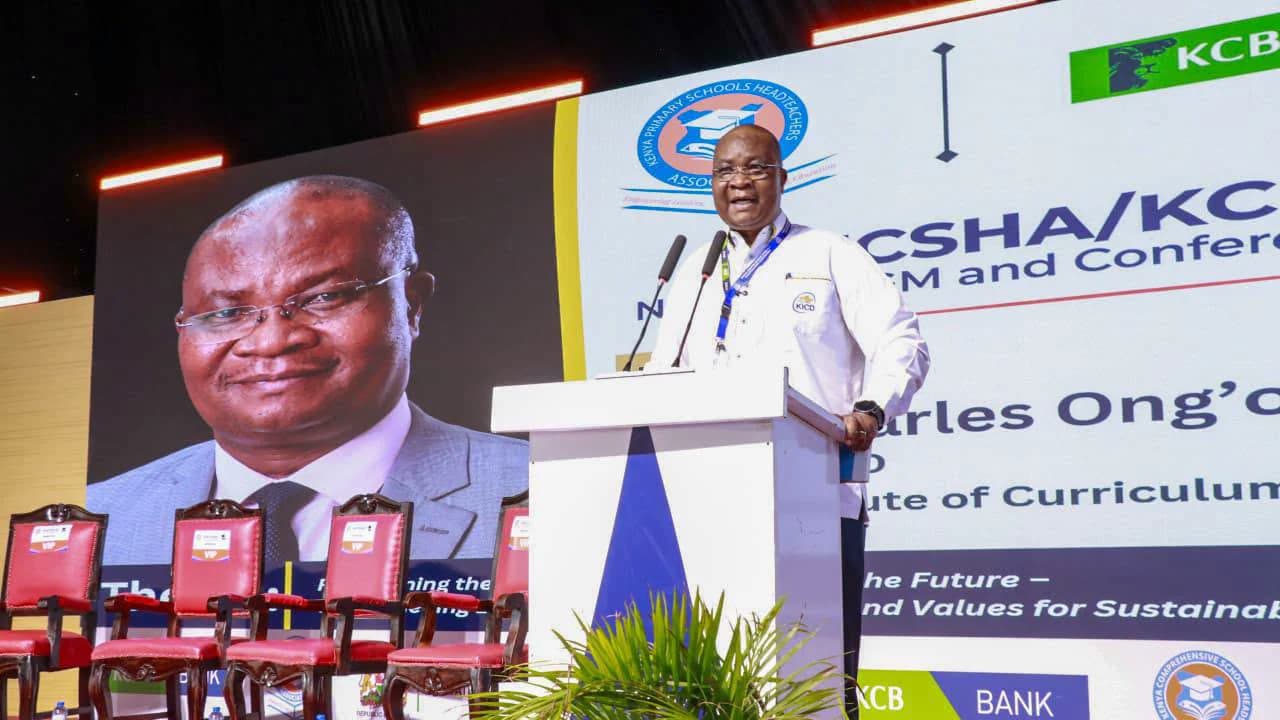
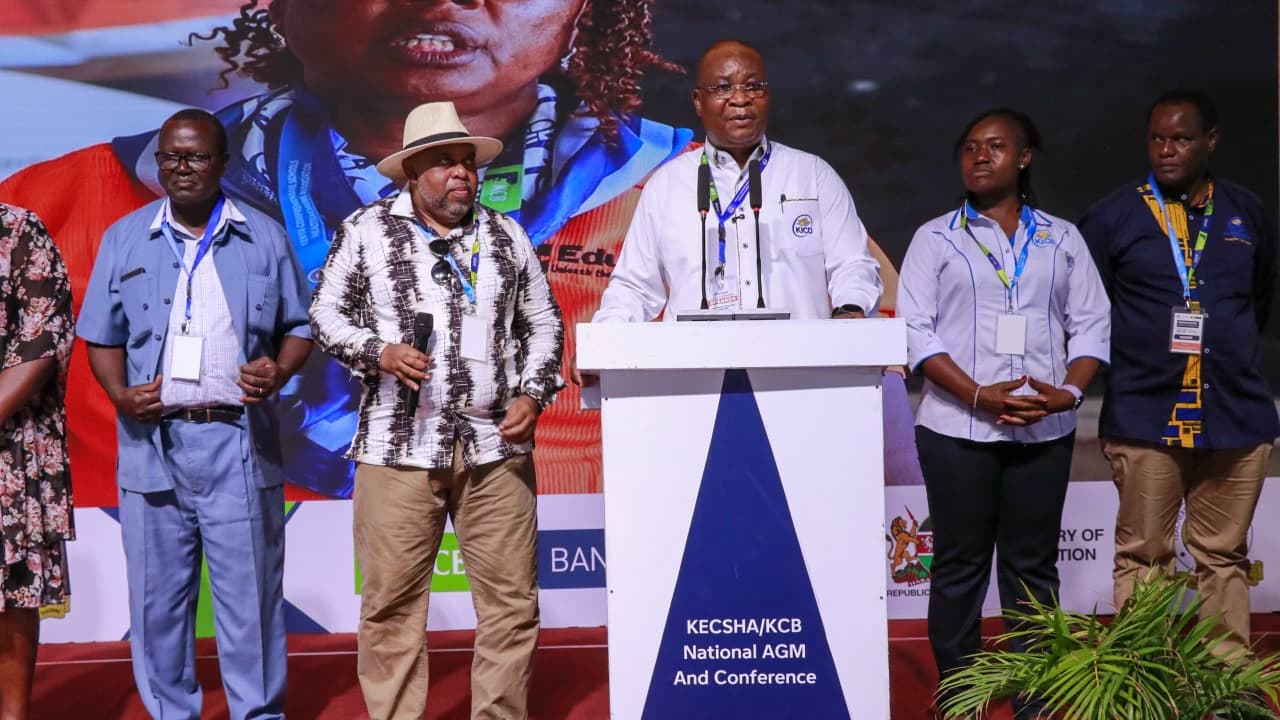
Kenya Institute of Curriculum Development (KICD) Chief Executive Officer Prof Charles Ong’ondo announced the planned distribution during the Kenya Comprehensive Schools Heads Association (KECSHA) annual conference in Mombasa.
He said the replacement programme followed concerns raised in a Ministry of Education report and a World Bank study, which identified the need to replenish ageing textbooks and update their content.
Ong’ondo said the institute had already reviewed the learning materials, paving the way for procurement and distribution.
The World Bank is financing the supply of English and Kiswahili textbooks, with each learner expected to receive a copy.
The books, which were approved in 2024, underwent a further review before the procurement process commenced.
Publishers who submitted financial bids are currently undergoing evaluation, with successful firms expected to receive contracts later this month.
School heads urged to monitor distribution
The KICD chief urged school heads to work closely with sub-county education directors to ensure the materials reach all targeted institutions.
He asked administrators whose schools would not have received the books by the end of January 2027 to report the matter to their respective sub-county directors of education for follow-up.
Ong’ondo said the government would also consider replacing learning materials in other subject areas, subject to the availability of funds.
The planned distribution is expected to help schools address shortages arising from the prolonged use of existing textbooks, particularly in the lower primary grades.
Teachers cautioned against ready-made assessment booklets
At the same time, Ong’ondo cautioned teachers and school administrators against relying on commercially produced assessment booklets containing ready-made questions and answers.
He maintained that assessment should remain the responsibility of teachers, who understand individual learners' abilities, strengths and areas requiring improvement.
He questioned the practice of purchasing assessment materials from private vendors, some of whom were neither trained teachers nor registered with the Teachers Service Commission (TSC).
The KICD boss said schools should prioritise approved curriculum support materials and develop assessments that reflect the individual learning needs of pupils.
He also challenged school heads to strengthen talent identification and development as learners transition to Senior School, saying institutions should help children join schools capable of nurturing their abilities.
Ong’ondo further called for stronger parental involvement in school activities, including academic assessments, sports, environmental conservation and other programmes.
He said the success of CBE would depend on collaboration among teachers, parents and school administrators to ensure every learner receives the support needed to realise their potential.

Reader Discussion (0)
Sign in to comment