- KNQA has confirmed that 22 per cent of universities have been registered on the National Qualifications Database, with 12 per cent of qualifications captured and 34 per cent of graduate records logged so far.
- The database will help curb fraudulent certificates, with CUE confirming it has already flagged about 15 institutions over accreditation concerns and taken action against improper graduations.
- KNQA has said it expects all universities to be onboarded onto the database by the end of the year, supported by improved digital data-sharing systems and the pending KNQF Amendment Bill, 2026.
The Kenya National Qualifications Authority (KNQA) has intensified calls for universities to register on the National Qualifications Database (NQD), as officials work to build a centralised system for verifying academic credentials and curbing fraudulent certificates.
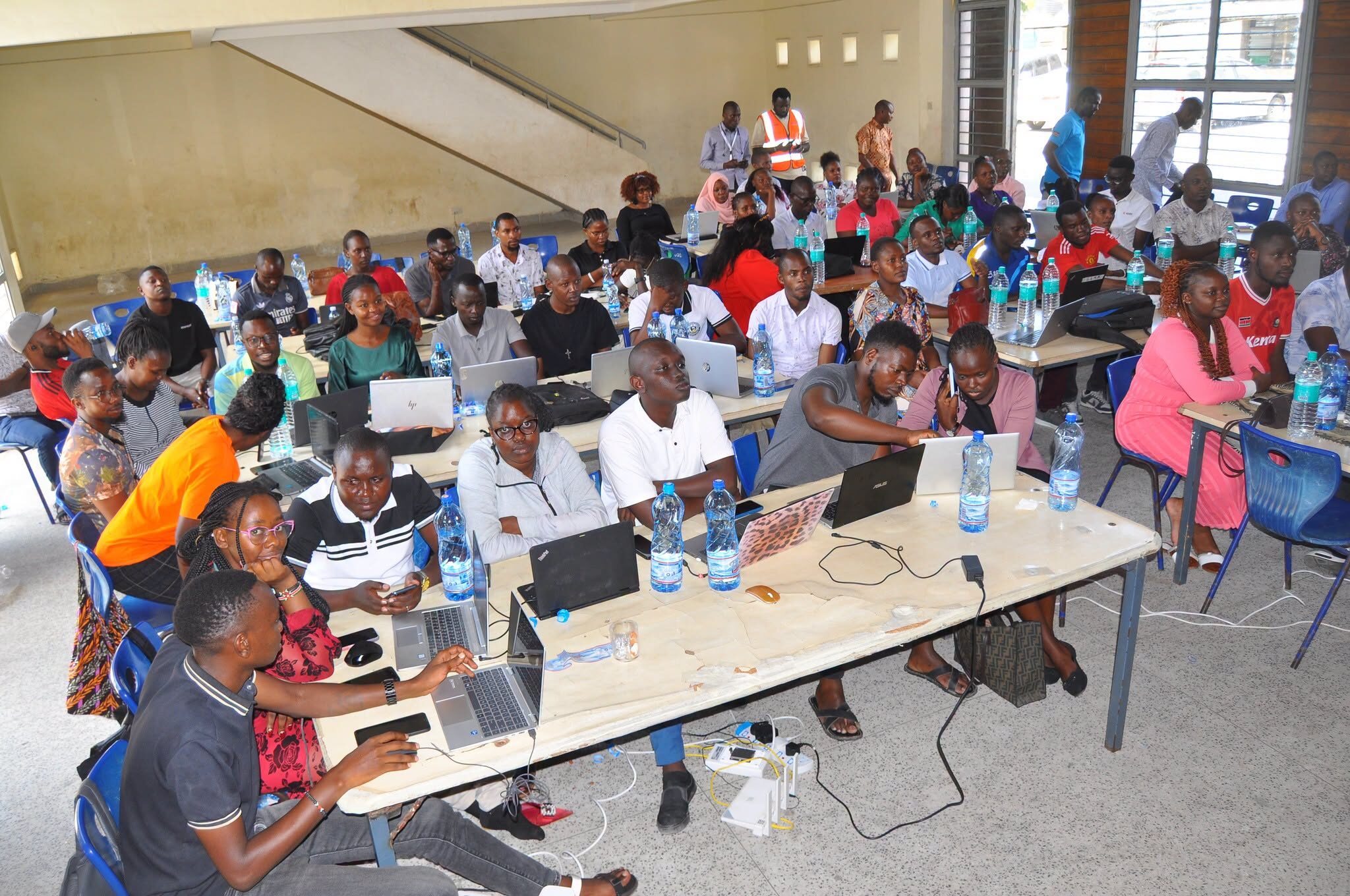
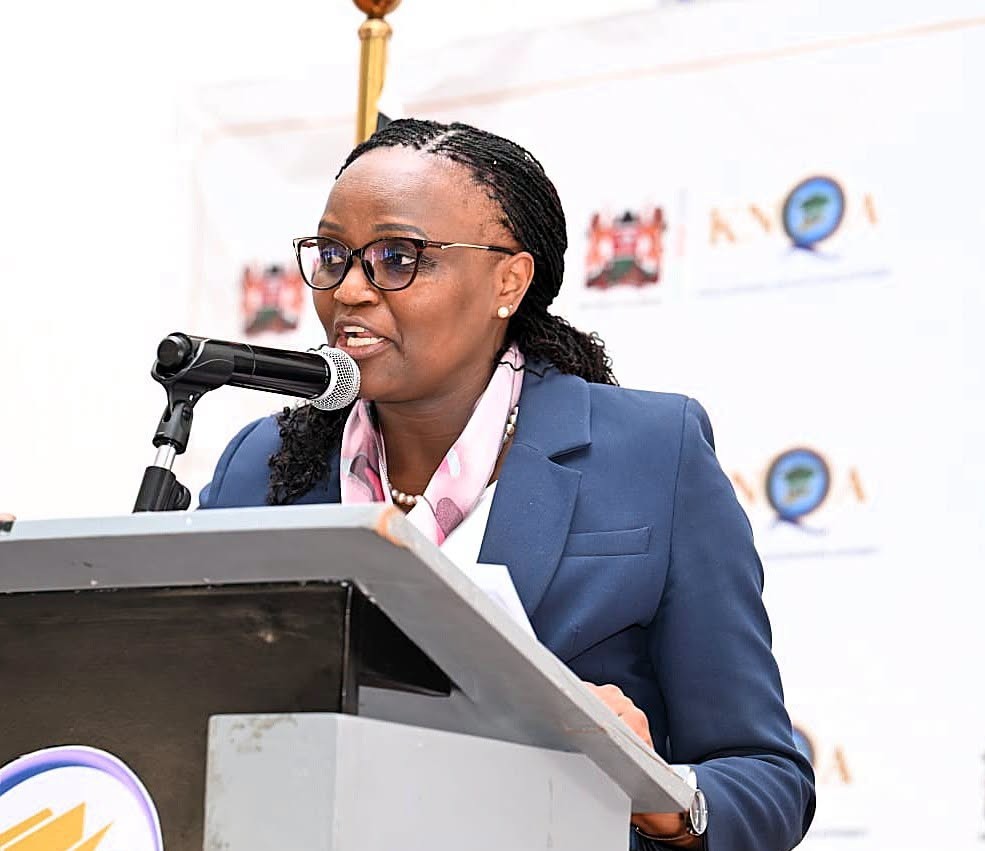
Speaking during a consultative meeting with Vice-Chancellors on the implementation of the Kenya National Qualifications Framework (KNQF), held at the Kenya Institute of Curriculum Development (KICD), KNQA CEO Dr. Alice Kande said that the database is also being positioned as a tool against fraudulent institutions and forged credentials.
“At a click of a button, we would be able to see which of those duly chartered universities have a legal mandate to issue a certificate,” Dr. Kande noted. A certificate holder not listed in the database would need further scrutiny before their qualification could be treated as credible.
According to KNQA, twenty-two per cent of universities have already been registered on the NQD, with 12 per cent of qualifications captured in the system and 34 per cent of graduate records logged, leaving a significant share of academic credentials outside the national database.
The push comes against the backdrop of the Kenya National Qualifications Framework (Amendment) Bill, 2026, which seeks to formally establish the database in law and require institutions to notify KNQA of qualifications awarded within a specified period, a move officials say will make onboarding mandatory rather than voluntary once the Bill is enacted.
ALSO READ: PS Inyangala urges varsities to admit first-year students as new Funding Bill awaits parliamentary approval
Higher Education Principal Secretary Dr Beatrice Inyangala said the framework brings together all levels of education and training, from basic education through TVET to university, into a single interconnected system.
“The qualification system encompasses all levels of education; the framework has assigned levels, they’re all interconnected, and that is why this conversation among all the stakeholders is timely,” a KNQA representative told the forum.
Commission for University Education (CUE) CEO Prof Mike Kuria described the relationship between the Commission and KNQA as complementary rather than duplicative. “The Commission accredits… and what that means is that students that acquire qualifications from accredited universities and accredited programmes have bona fide qualifications, which are then recognised by the Kenyan National Qualifications Authority,” Prof. Kuria said, adding that registration on the NQD strengthens the “visibility, comparability, mobility and verifiability” of Kenyan qualifications both nationally and internationally.

Prof. Kuria said the CUE has already flagged roughly 15 institutions on its website over accreditation concerns, while cautioning that the vast majority of university-issued certificates in the country remain credible. “Our universities are absolutely credible. The certificates coming out of the universities are absolutely credible, but there are times sometimes to muddy the waters from people who are of criminal intent,” Kuria said that closures of institutions and cancellation of improperly held graduations have already taken place in response to identified irregularities.
Dr. Kande expressed confidence that all universities would be registered by the end of the year, citing improvements in data-sharing systems that had previously relied on slower manual processes. She said that the database would eventually extend beyond universities to cover TVET institutions and other qualification-awarding bodies, allowing employers to verify a candidate’s full academic history, from basic education through university or TVET, in a single search.
By Masaki Enock
Get more stories from our website: Education News
To write to us or offer feedback, you can reach us at: editor@educationnews.co.ke
You can also follow our social media pages on Twitter: Education News KE and Facebook: Education News Newspaper for timely updates.
>>> Click here to stay up-to-date with trending regional stories