






Leaders from Wajir County have renewed calls for the government to urgently recruit more teachers to address persistent staffing shortages in Northern Kenya, warning that the shortage continues to undermine access to quality education and widen existing inequalities between the region and other parts of the country.
The leaders want the government to reconsider teacher recruitment policies and ensure that schools in historically marginalised areas receive fair consideration in the allocation and deployment of teaching personnel.
Their appeal comes at a time when numerous schools in Northern Kenya continue to grapple with inadequate teaching staff, leaving learners with limited access to teachers across different subject areas.
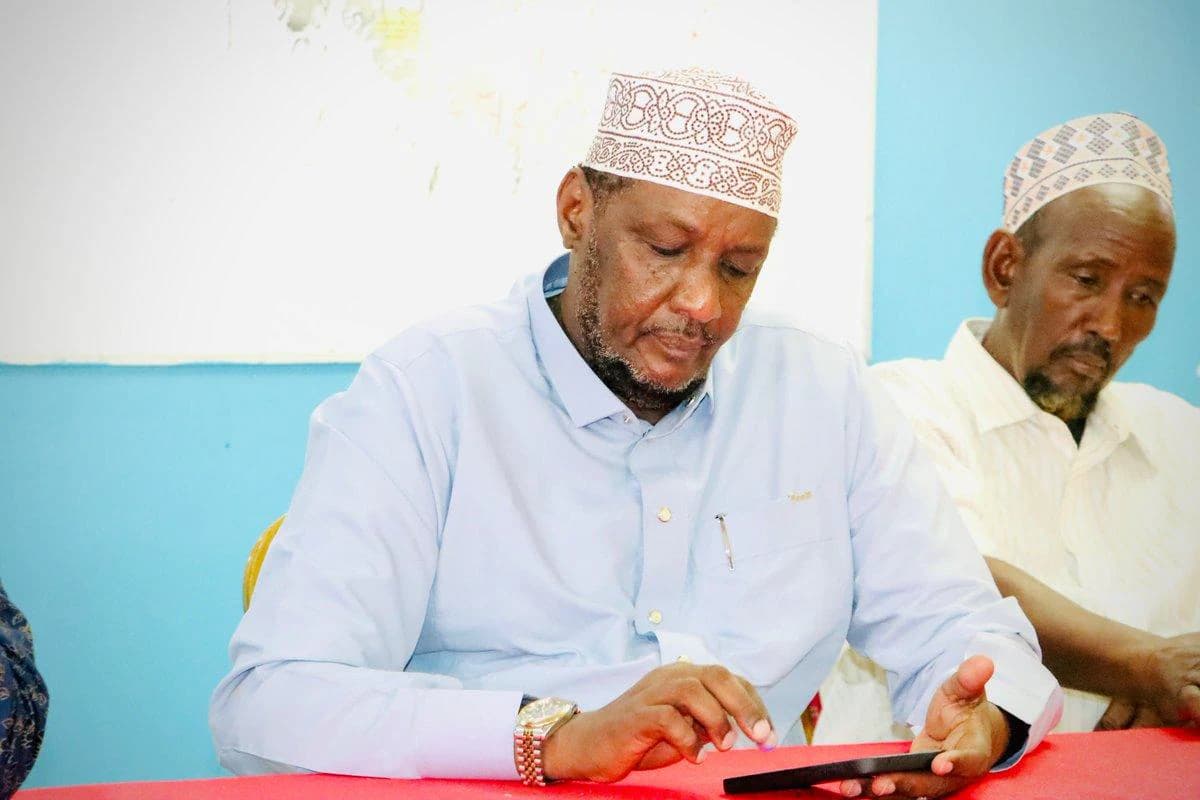
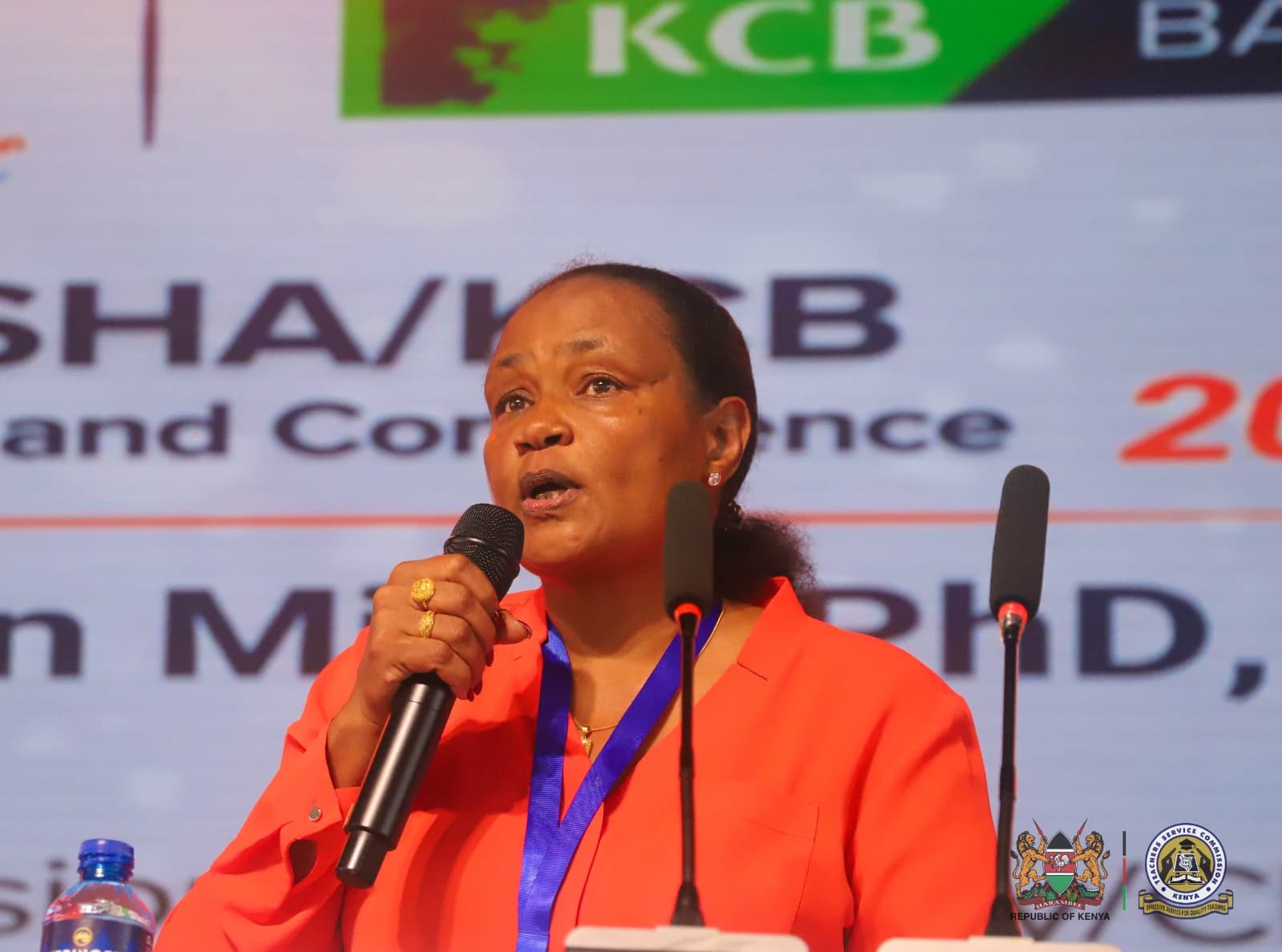
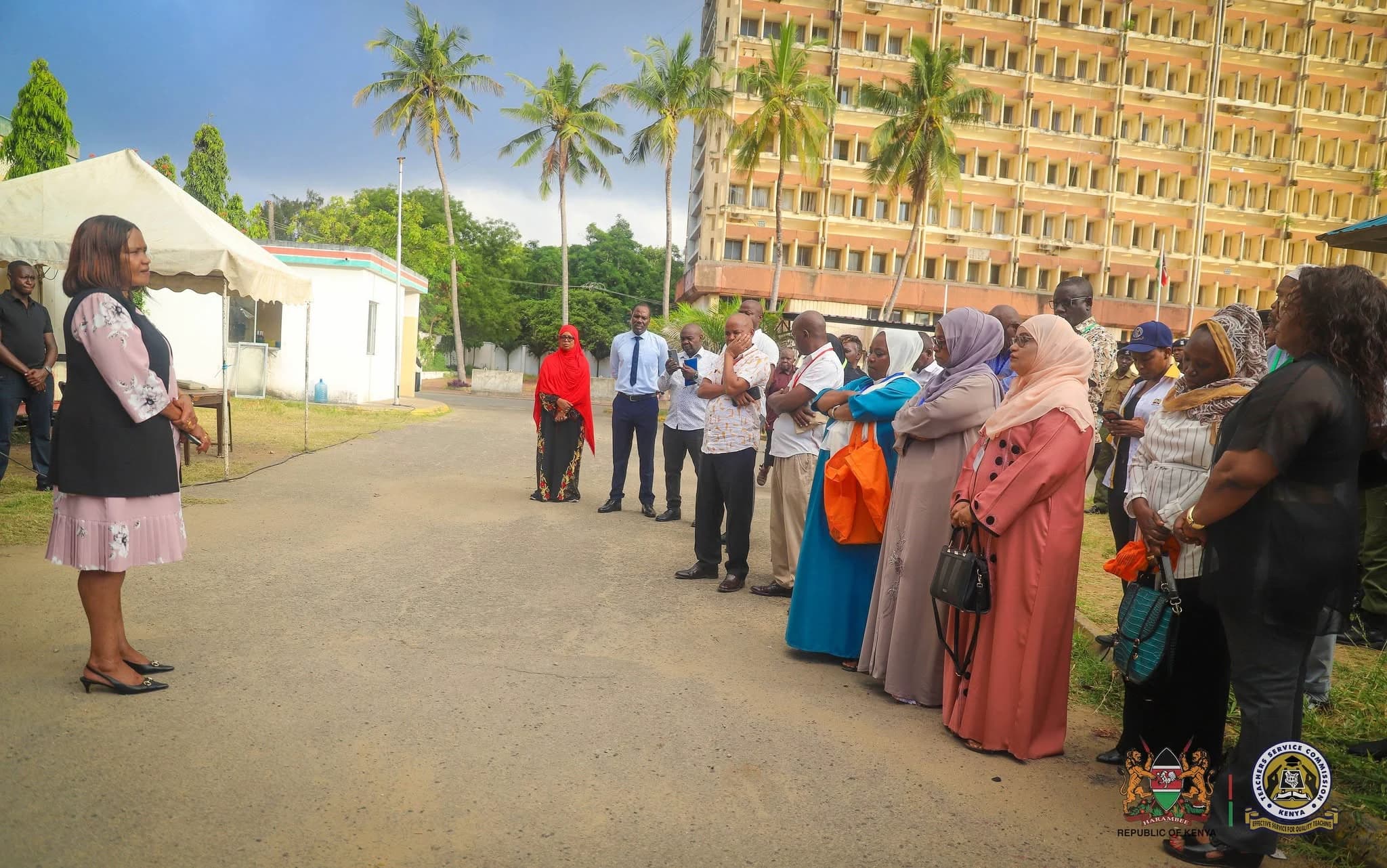
The concerns were raised on Tuesday, November 10, 2026, during a graduation ceremony at Wajir Teachers Training College, where 571 trainees graduated after completing training in various teaching disciplines.
The graduates are expected to join the education sector as the region continues to seek solutions to its longstanding teacher shortage.
Tarbaj Member of Parliament Hussein Abdi Barre said the government had made commitments during the election campaign to address teacher shortages in Northern Kenya.
He acknowledged progress made through teacher recruitment initiatives and support for teacher training institutions but maintained that more deliberate efforts were necessary to ensure schools in the region had adequate teaching personnel.
The leaders argued that equitable recruitment would help address historical disparities in education and improve learning opportunities for children in Northern Kenya.
They also called for an end to recruitment arrangements they consider preferential, insisting that teacher distribution should take into account the unique staffing challenges experienced by different regions.
Wajir celebrates 571 teacher graduates
Wajir Deputy Governor Ahmed Muhumed described the graduation of 571 trainees as an important milestone in the county's efforts to strengthen its education sector.
He challenged the graduates to use their professional training to transform classrooms, nurture young learners and contribute to national development.
Muhumed said the occasion represented significant progress in addressing the region's longstanding education challenges, expressing optimism that locally trained teachers would help improve the availability of teaching personnel.
He further commended the institution for expanding teacher training opportunities in a region that has historically experienced difficulties attracting and retaining adequate numbers of educators.
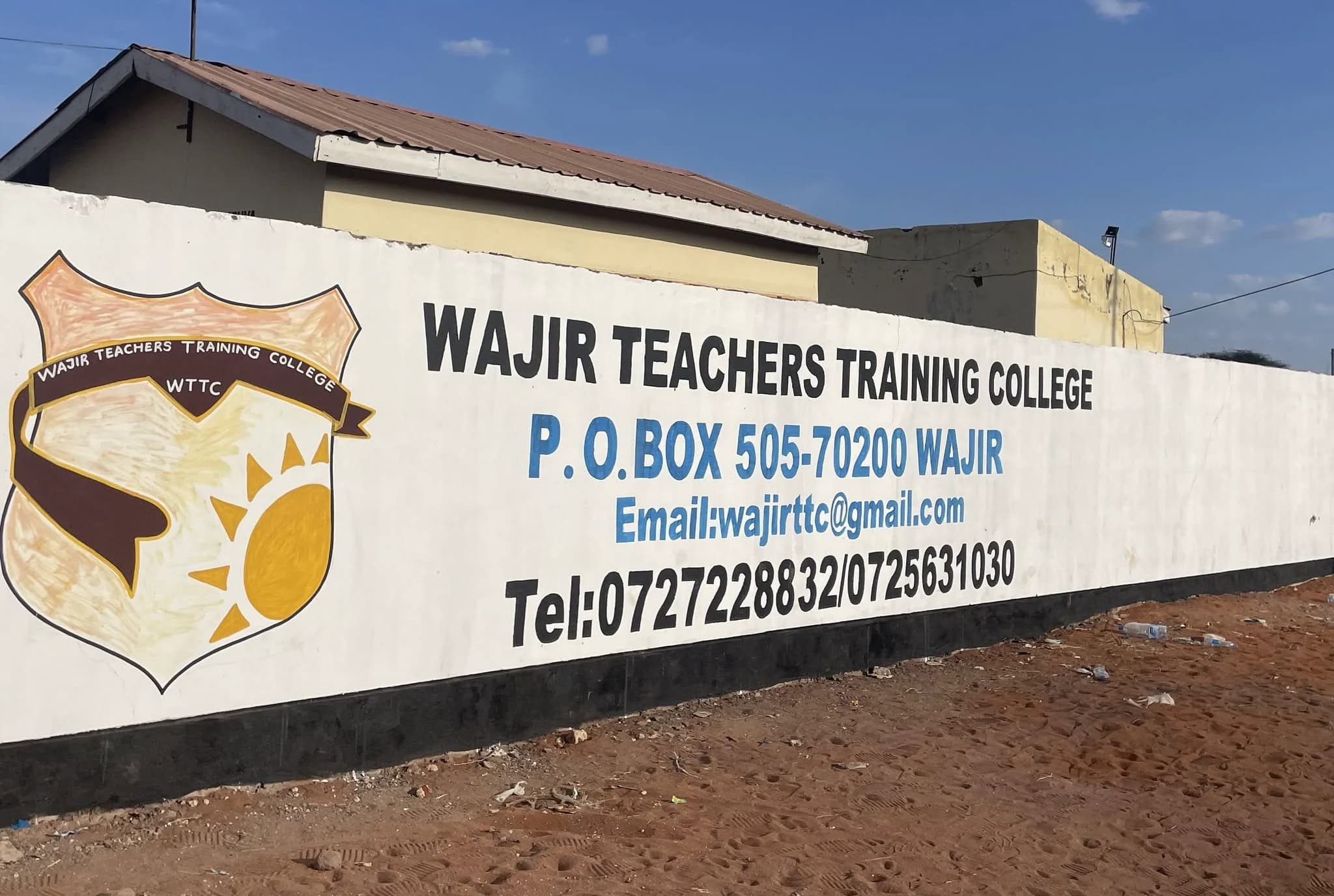
Wajir Teachers Training College was established in 2015 as part of efforts to strengthen the supply of qualified teachers in the region.
The concerns raised by Wajir leaders have renewed debate over teacher distribution, recruitment and equitable access to education in Kenya.
While the country continues to recruit teachers to address staffing gaps, regional disparities remain an important consideration in determining whether every learner has access to sufficient teaching personnel.
Schools in underserved areas require sustained attention, not only through additional recruitment but also through effective deployment, retention strategies and improved working conditions for teachers.
The challenge is particularly significant in regions where geographical conditions, infrastructure limitations and difficulties attracting teachers complicate staffing efforts.
ECDE staffing and recruitment challenges
The demand for additional teachers comes amid broader calls for increased investment in education at both national and county levels.
In October 2026, the Senate Education Committee urged county governments to increase funding for Early Childhood Development and Education (ECDE) centres and accelerate teacher recruitment following visits to learning institutions in Machakos County.
Machakos Senator Agnes Kavindu called on county governments to speed up recruitment processes to ensure newly employed teachers report to classrooms and provide learners with the necessary attention.
Although ECDE falls under county government responsibility, the concerns reflect a wider national challenge of ensuring that every level of education has sufficient qualified personnel.
The latest appeal from Wajir raises important questions about how the government intends to address teacher shortages in historically underserved regions.
The graduation of 571 trainees presents an opportunity to strengthen the local teaching workforce, but their graduation alone will not resolve the staffing challenges facing schools.
What remains critical is a deliberate recruitment and deployment framework that considers regional staffing gaps, subject requirements, teacher availability and the need to retain educators in underserved communities.
For learners in Northern Kenya, the demand is straightforward: access to quality education should not depend on geographical location.
The government now faces renewed calls to translate its teacher recruitment commitments into tangible improvements in classrooms across the region.

Reader Discussion (0)
Sign in to comment