





Political and community leaders in Wajir County have renewed calls for urgent government intervention to address persistent teacher shortages in Northern Kenya, saying insecurity is a major factor driving teachers away from the region and making it difficult for schools to maintain adequate staffing.
The leaders want the Teachers Service Commission (TSC) and the Ministry of Education to adopt targeted interventions that address the security challenges affecting teachers while creating lasting solutions to the shortage of educators in the region.
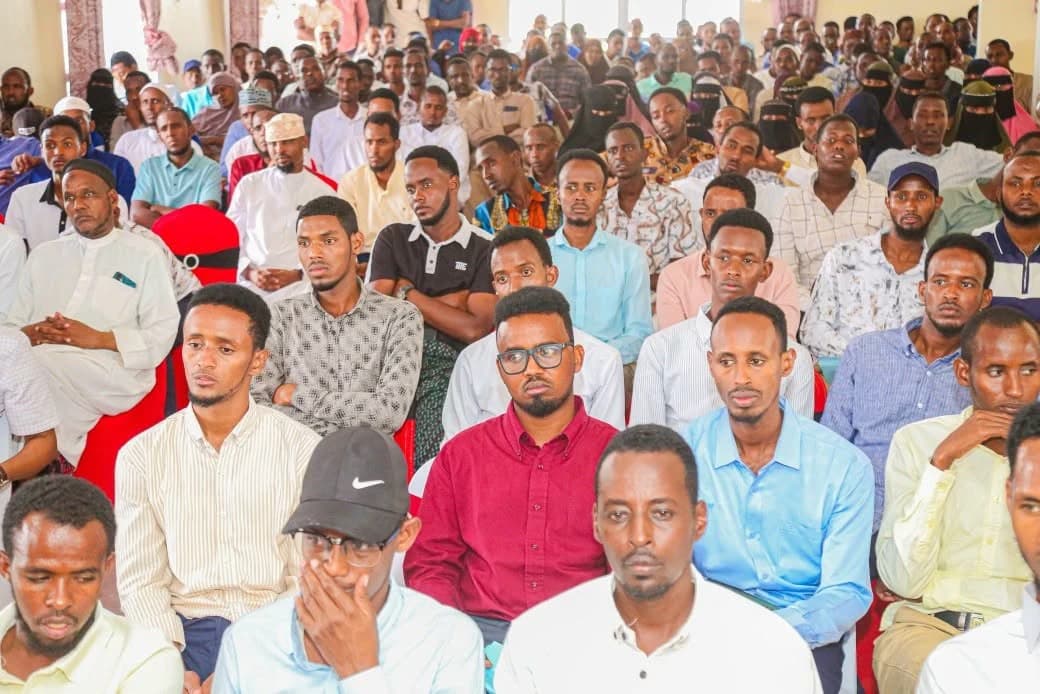
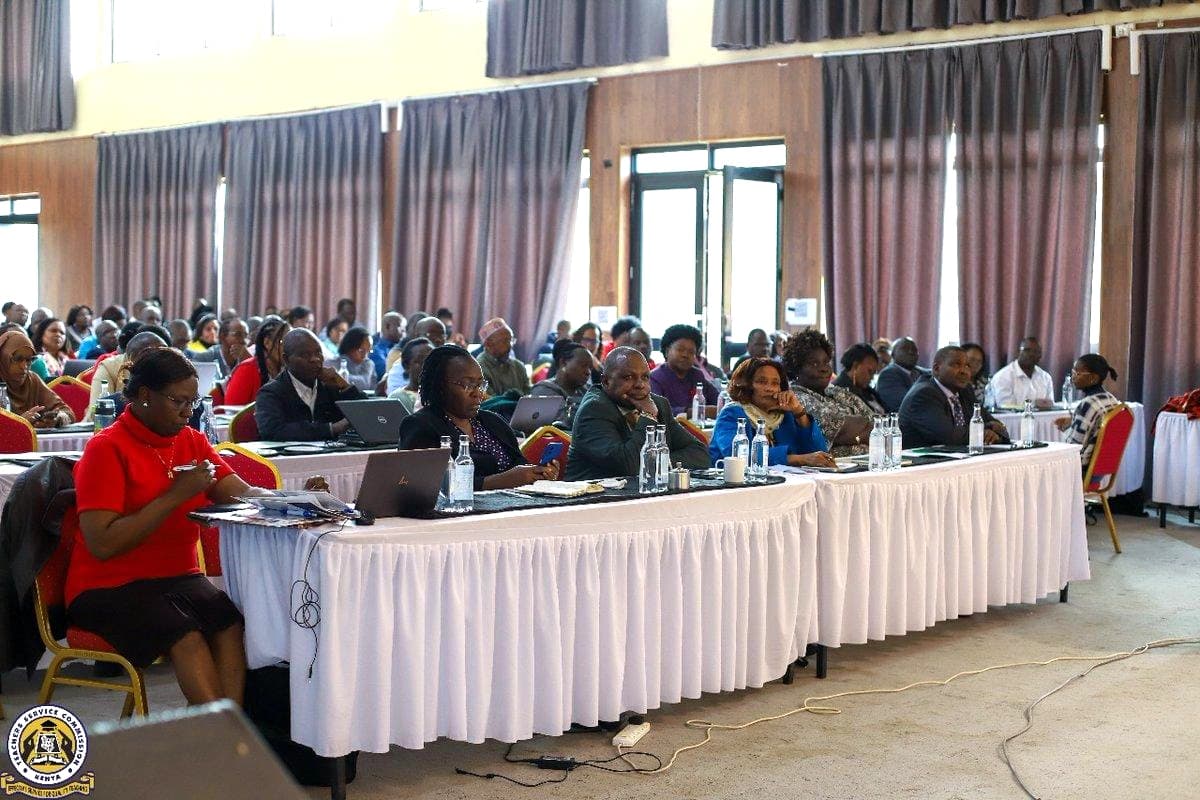
Speaking during a consultative public forum on regional education standards, the leaders said numerous schools across Wajir continue to operate with significantly fewer teachers than required. They warned that this was compromising curriculum delivery and placing learners at a disadvantage in national examinations.
At the centre of their concerns is the continued movement of non-local teachers seeking transfers from the region, with security concerns frequently cited as a major reason for leaving their stations.
The resulting vacancies have added pressure on schools already struggling with inadequate staffing, forcing available teachers to take on heavier workloads while learners face disruptions in the delivery of the curriculum.
The leaders argued that the challenge goes beyond recruitment and deployment, pointing to insecurity as a significant obstacle to retaining teachers in Northern Kenya. They said efforts to address staffing shortages would remain difficult unless the government confronted the circumstances making teachers reluctant to serve in the region for long periods.
The availability of qualified teachers in Northern Kenya is closely linked to the prevailing security environment. Frequent transfer requests by non-local teachers have contributed to staffing gaps, and replacing departing teachers is not always immediate, leaving some institutions operating below their required staffing levels.
The shortage threatens continuity in learning, curriculum coverage and the quality of instructional support available to pupils and Junior School (JS) learners.
The leaders said improving security and creating a more supportive working environment are essential to encouraging teachers to remain in the region. They also said nationwide recruitment exercises alone cannot address staffing disparities in areas where attracting and retaining educators is harder.
To find a lasting solution, the leaders called for affirmative action measures that would expand opportunities for qualified candidates from Northern Kenya to join the teaching profession. Among their proposals is a review of access requirements for local teacher-training applicants to widen opportunities for candidates from historically underserved communities.
The proposal is intended to strengthen the local teaching workforce and reduce long-term dependence on personnel recruited from outside the region, particularly where security concerns complicate retention. Any review of entry requirements would need to remain consistent with professional teaching standards and the regulatory framework governing teacher training and registration.
The leaders also called for accelerated deployment of teacher interns to schools facing critical shortages, saying immediate interventions are needed while longer-term recruitment and training programmes are developed.
They also demanded enhanced hardship allowances and other incentives, saying teachers serving in difficult and insecurity-prone areas deserve appropriate support to encourage them to remain in their stations.
The leaders want the TSC and the Ministry of Education to work with relevant security agencies to develop interventions that address both the shortage of teachers and the conditions contributing to their departure. They said this would require a combination of improved security, targeted recruitment, expanded local teacher-training opportunities, emergency deployment and better retention incentives.
They argued that children in Wajir and other underserved counties should not continue to face educational disadvantages because of circumstances beyond their control, and that addressing insecurity alongside the underlying staffing challenges is central to building a stable teaching workforce in the region.


Reader Discussion (0)
Sign in to comment