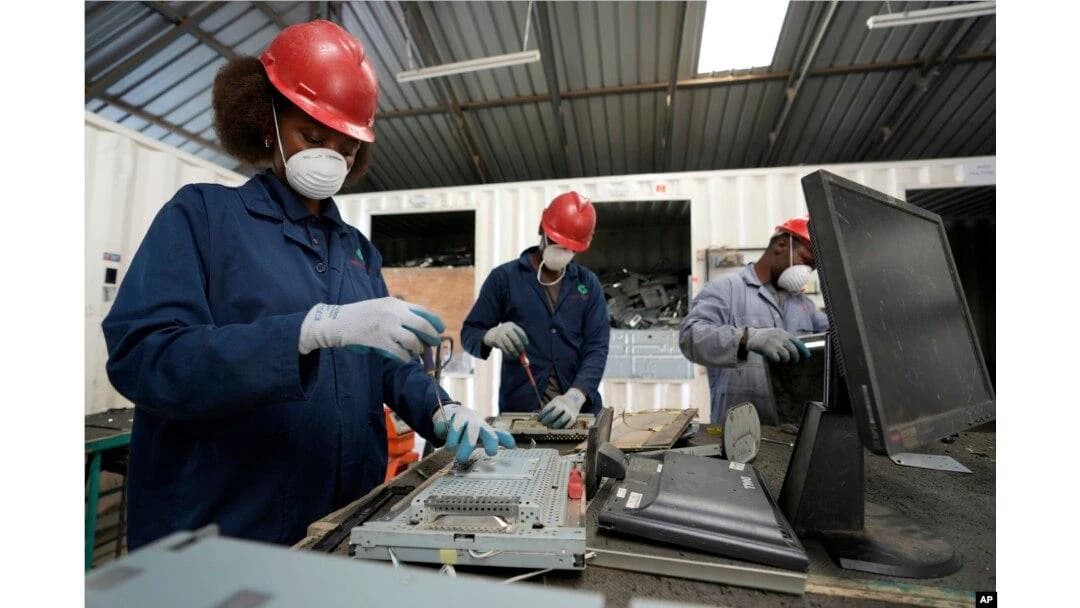









Schools, colleges and households are being encouraged to dispose of obsolete computers, laptops, mobile phones and electronic accessories responsibly as Safaricom sets November 13, 2026, as the deadline for its nationwide collection campaign.
Kenyan schools are increasingly embracing digital learning, but behind the growing adoption of technology lies a challenge that is receiving considerably less attention: what happens to computers and electronic equipment once they become obsolete?
Across learning institutions, old desktop computers, damaged laptops, outdated monitors, keyboards, printers, batteries and other electronic accessories often remain locked away in computer laboratories, stores and administrative offices long after they have outlived their usefulness.
Some equipment is kept in the hope that it might be repaired, while other devices are abandoned because institutions lack clear arrangements for their disposal.
Safaricom has renewed attention on this growing environmental concern through a nationwide electronic waste collection campaign, inviting Kenyans to surrender unwanted electronic gadgets at its retail shops by Friday, November 13, 2026.
The initiative targets individuals, businesses and institutions, offering an opportunity to clear out electronic equipment that has accumulated over the years.
Growing electronic waste challenge in schools
As Kenya continues implementing Competency-Based Education (CBE), technology is becoming increasingly important in teaching, learning, research and school administration.
Computers support digital literacy, access to learning resources, assessment activities, communication and the development of technological skills among learners.
However, the rapid pace of technological advancement means that equipment purchased several years ago may no longer meet the requirements of modern learning environments.
Many schools, particularly those that have invested in computer laboratories over the years, face the challenge of managing outdated equipment.
When improperly disposed of, electronic devices can introduce hazardous substances into the environment. Batteries, circuit boards and other components require specialised handling to prevent contamination of soil and water.
The challenge is therefore not simply about getting rid of old computers. It is about ensuring that obsolete technology is handled in a manner that protects learners, school communities and the environment.
Safaricom is encouraging Kenyans to surrender unwanted mobile phones, chargers, earphones, batteries and other eligible small electronic gadgets at its retail outlets.
The company has previously worked with specialised electronic waste handlers, including the Waste Electrical and Electronic Equipment Centre (WEEE Centre), in managing discarded electronic equipment.
Its established electronic waste management initiatives have covered equipment such as computers, laptops, mobile phones and accessories.
Responsible collection makes it possible to recover valuable materials, reduce environmental pollution and prevent electronic waste from ending up in landfills.
Collected equipment is reportedly channelled to specialised handlers, including WEEE Centre and Warmtech, for appropriate dismantling, processing and recycling.
However, schools intending to surrender desktop computers, monitors, printers and other bulky equipment should first confirm whether their nearest Safaricom retail outlet is accepting those categories under the current November campaign.
Why schools should prioritise responsible disposal
The growing accumulation of obsolete computers presents several challenges for educational institutions.
First, unused equipment occupies valuable storage space that could otherwise serve other educational purposes.
Second, improperly stored batteries and damaged electronic components can create environmental and safety concerns.
Third, computers and storage devices may contain sensitive information relating to learners, teachers, school finances and institutional operations.
Schools must therefore ensure that confidential information is securely erased before equipment is surrendered for recycling.
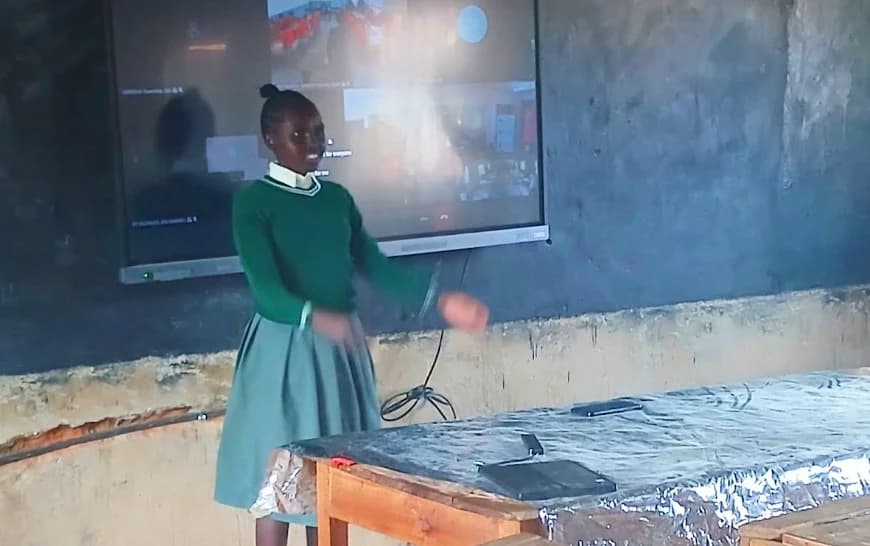
There is also an opportunity to introduce learners to environmental responsibility by incorporating electronic waste management into practical learning activities.
Rather than treating discarded technology as ordinary rubbish, schools can use the issue to demonstrate the importance of recycling, resource recovery, innovation and responsible consumption.
The Safaricom collection exercise is presented as an environmental conservation initiative rather than a commercial trade-in or buy-back programme.
Participants should therefore not assume they will receive cash payments, shopping vouchers, discounts or replacement gadgets in exchange for unwanted electronics.
Individuals with functional computers and smartphones that retain commercial value may consider selling them through legitimate second-hand electronics dealers.
For equipment that is damaged, outdated or beyond economical repair, responsible recycling offers an alternative to indefinite storage or careless disposal.
November 13 deadline approaches
Safaricom is encouraging individuals, businesses and institutions to identify eligible electronic gadgets they no longer use and surrender them at participating retail shops by November 13, 2026.
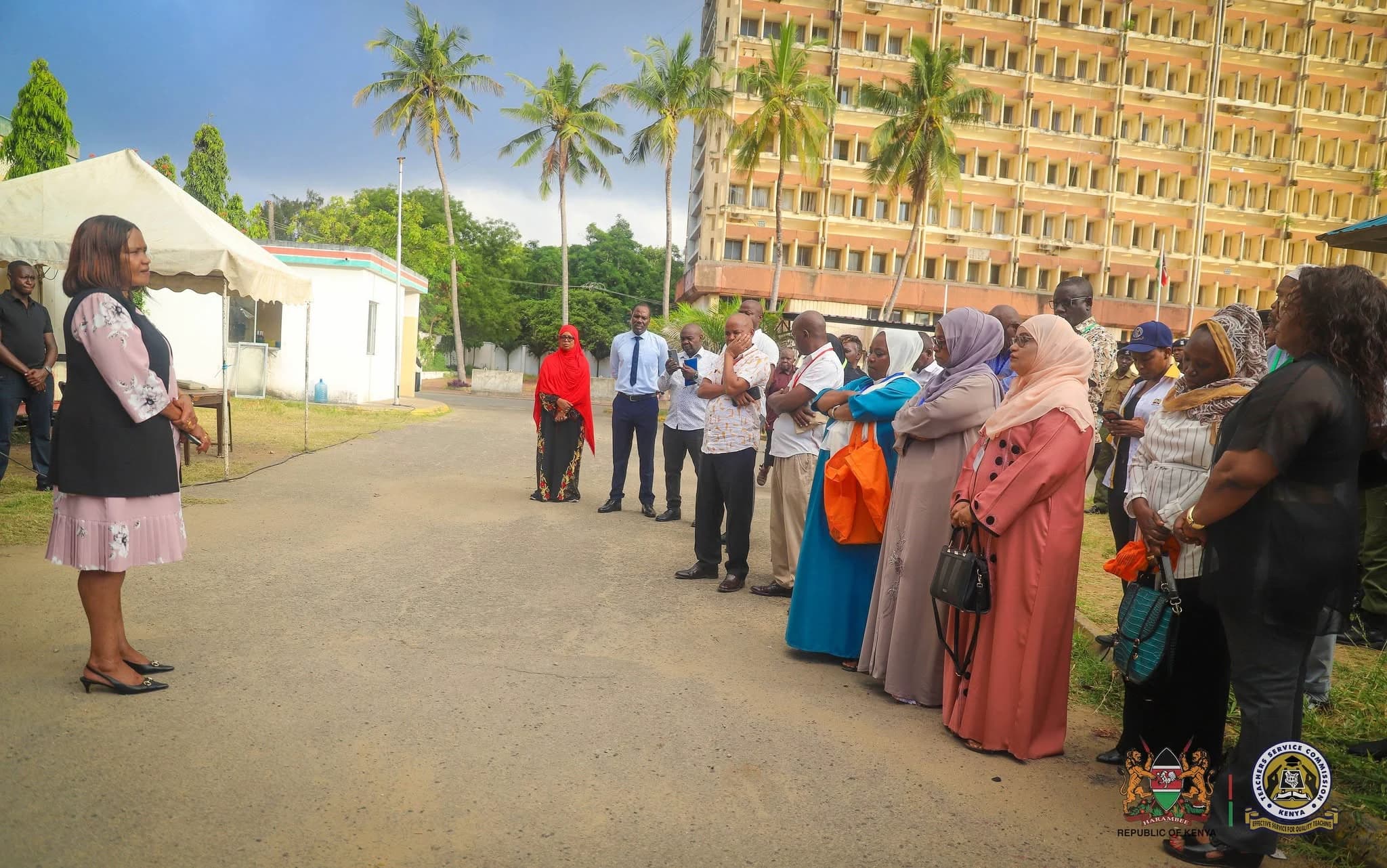
Schools, colleges and other institutions with large quantities of obsolete equipment should contact their nearest outlet beforehand to establish the categories accepted and arrangements for delivery.
Institutions should also follow applicable asset disposal procedures before surrendering publicly owned equipment.
The exercise offers households an opportunity to clear out old chargers, damaged earphones, unused phones and batteries that have accumulated over time.
As Kenya moves towards a more digitally driven education system, conversations about technology should extend beyond purchasing computers and equipping laboratories.
Institutions must also consider the entire lifecycle of electronic equipment, from acquisition and maintenance to replacement, recycling and final disposal.
The growth of digital learning should not be accompanied by an equally growing burden of abandoned computers and electronic waste.
Safaricom's campaign provides an opportunity to bring this conversation into schools, homes and workplaces.
Ultimately, the success of digital transformation should not only be measured by the number of computers installed in learning institutions, but also by how responsibly those devices are managed when they reach the end of their useful lives.


Reader Discussion (0)
Sign in to comment