







- Candidates need more than content mastery to effectively answer questions on the current set book.
- Enock Okong’o explains how introductions, evidence and structured paragraphs can strengthen examination responses.
- The PEEL approach can help candidates organise arguments while avoiding storytelling and unsupported points.
As the schools reopen for third term, KCSE candidates and their teachers are trying to polish their work towards the successful conquest of the examinations.
We are glad to introduce a weekend take-away revision on English and Literature in English for those who will take a step to walk with us in this noble academic journey.
Herein is the “appetizer” on the strategies of examination approach.
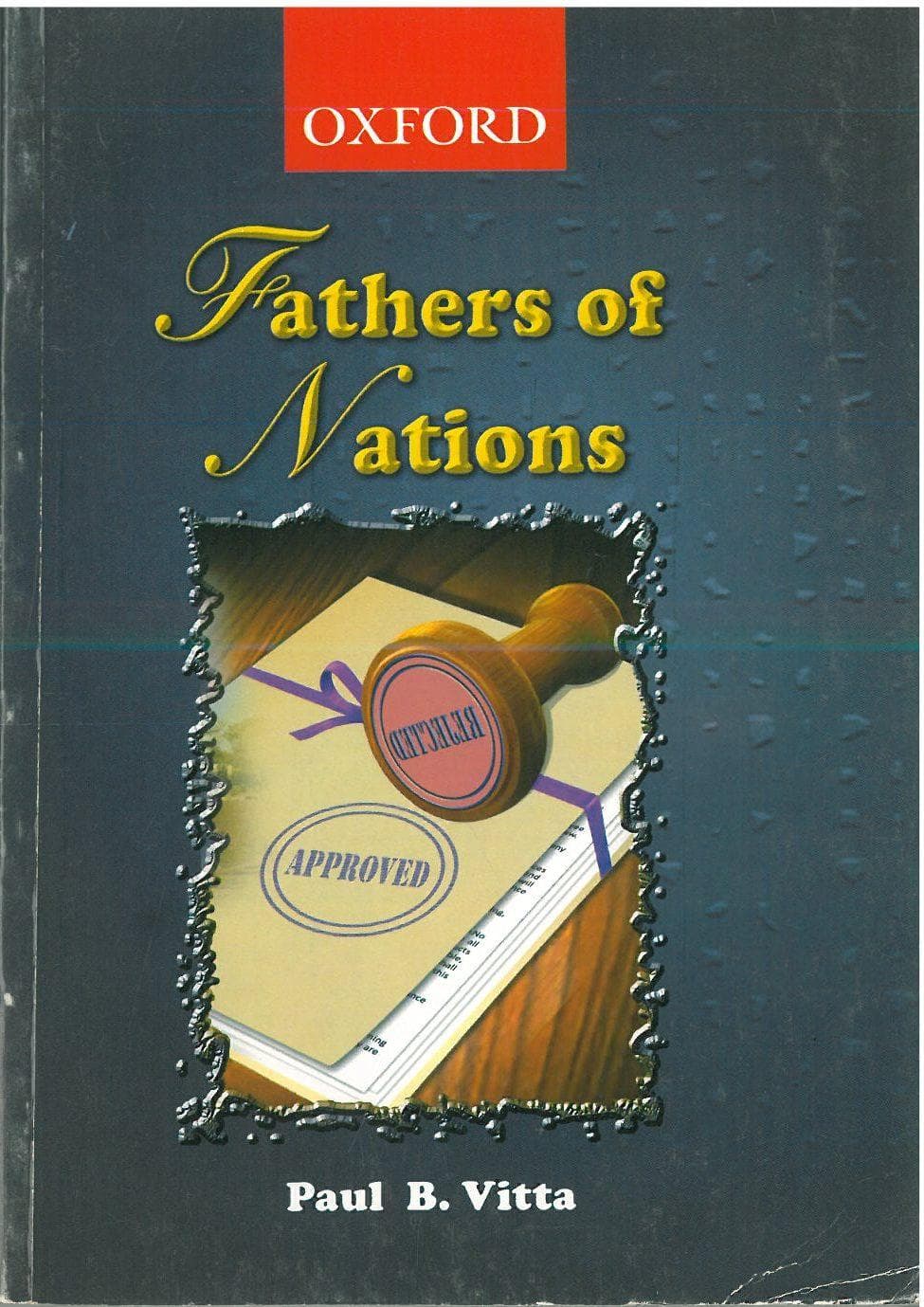
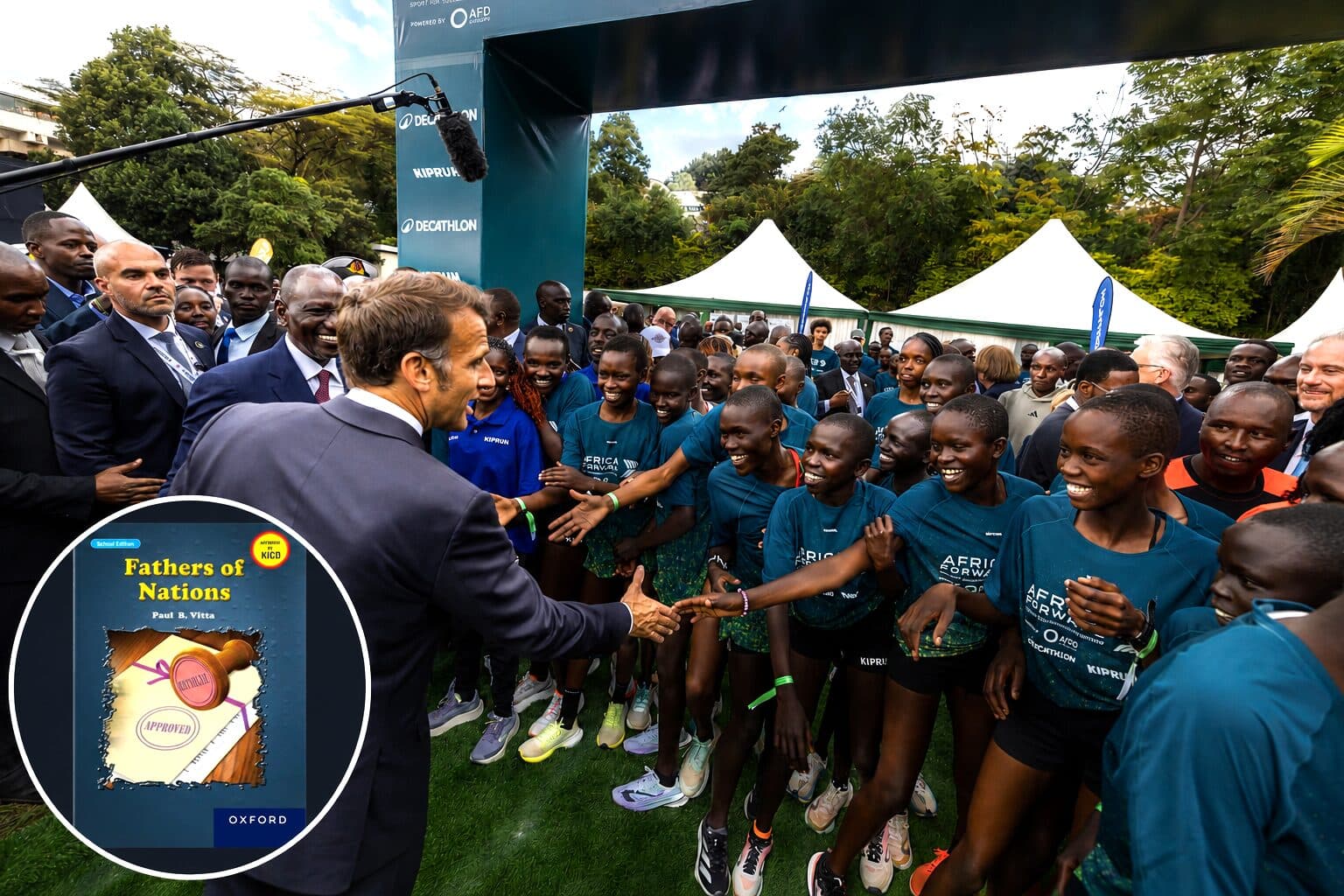
Answering questions in a novel like the current set book of Paul Vitta’s Fathers of Nations requires technique as much as content. Many students fail not because they have not read the book, but because they do not know how to organise their answers to earn full marks.
The first step is to understand the question. A candidate must read the question at least twice and underline the key words. For example, if the question asks about the theme of betrayal, the candidate should know it requires showing different incidents of betrayal and their effects, not narrating the entire story. It is also important to identify whether the question is on character, role, theme, style or relevance.
Secondly, a good answer must have a relevant introduction. The introduction should define the key term in the question and link it briefly to the novel. It should not be a retelling of the whole plot. For instance, one can define betrayal as the act of turning against those who trust you, and state that in Fathers of Nations, betrayal is evident at family, national and continental levels and hinders Africa’s development.
The main body of the answer should follow the PEEL method. P stands for Point, where the candidate makes a clear point. E stands for Evidence, where the point is supported with a correct incident from the novel with accurate character names like Prof. Kimani, Comrade Ngobile, Pastor Chiamaka, Tahir and Seif Tahir. The second E is Explanation, where the candidate explains how the evidence supports the point. L is Link, where the point is linked back to the question. A candidate should give four to five such paragraphs, each well developed.
It is also crucial to answer all parts of the question. If the question asks for the character of Prof. Kimani and his contribution to plot development, both aspects must be covered. The candidate should avoid common mistakes such as storytelling, giving points without illustrations, confusing characters, writing in point form or giving very short answers that cannot earn twenty marks.
Finish with a relevant conclusion
Finally, the answer should have a brief conclusion. The conclusion should summarise the main points without introducing new information and should show the relevance of the issue to real life.
READ ALSO: Kisii, Transmara leaders call for ceasefire as border clashes threaten school reopening
For example, one can conclude that Vitta uses betrayal to warn that unless Africans stop betraying one another, genuine development will remain a dream. When content mastery is combined with this approach, Fathers of Nations becomes one of the easiest areas to score high marks.
By Enock Okong’o
You can also follow our social media pages on Twitter: Education News KE and Facebook: Education News Newspaper for timely updates.
>>> Click here to stay up-to-date with trending regional stories
>>> Click here to read more informed opinions on the country’s education landscape


Reader Discussion (0)
Sign in to comment