There is a trap in how we chase novelty. We scroll, we binge, we hunt for the latest article, the newest trend, the next 10-minute hack. But often the idea we think is “new” is just an old truth wearing different clothes. If you want a new idea, read an old book.
Old books contain compressed human experience. They carry the mistakes, insights, and tested principles of people who faced problems without the distractions we have today. When you read Seneca on anger, Marcus Aurelius on duty, or Chinua Achebe on society, you are not just reading history. You are borrowing mental models that have survived because they work. The problems of human nature, leadership, fear, ambition, and love have not changed. Only the context has.
The advantage of old books is perspective. They pull you out of the present moment’s noise and show you that what feels urgent and unprecedented is often a variation of something people have already solved or failed at. That distance is where new ideas are born. You see patterns you missed, connect dots across centuries, and realize that the solution to your 2026 problem might be in a paragraph written in 1611.
ALSO READ;
There is also a creative reason: novelty rarely comes from more of the same. If everyone reads the same blogs, listens to the same podcasts, and follows the same influencers, everyone ends up with the same ideas. Old books take you off the beaten track. They introduce you to language, arguments, and worldviews that are out of circulation now. That friction forces your mind to work harder, and harder work produces original connections.
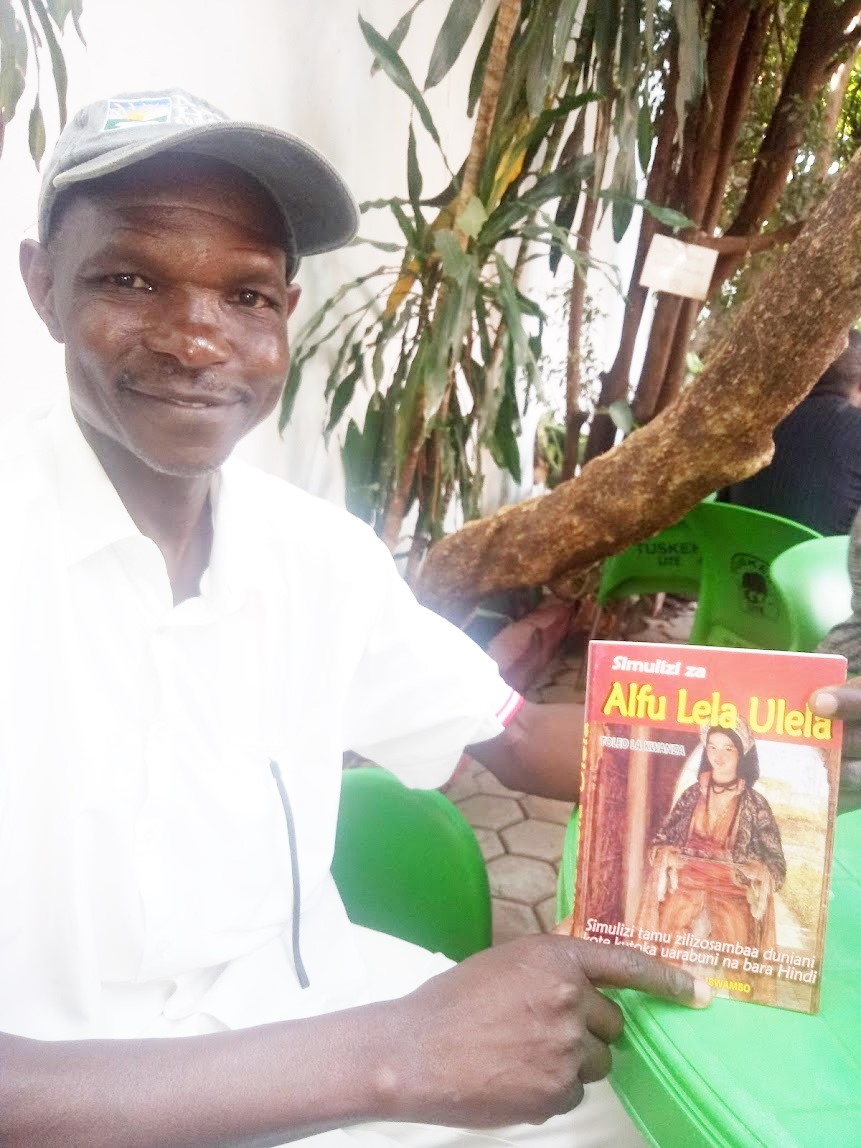
That is why the book _Alfu Lela Ulela_ matters. It is a collection of stories passed down for centuries, yet each tale still speaks to human desire, fear, cunning, and justice in ways that feel immediate today. You cannot build what lasts by ignoring what came before you. A house without a foundation collapses. An idea without roots becomes a passing trend. When you read a book like _Alfu Lela Ulela_, you are checking the foundation. You find principles that were true before algorithms, before industrialization, before the internet. And when you apply those principles to a new context, the result feels new because the combination has never been made before.
KICD CEO: Learner talent development at heart of curriculum reforms
This is why the best innovators, leaders, and writers are obsessive readers of old texts. Steve Jobs studied calligraphy from a 16th-century book. Naval Ravikant returns to Marcus Aurelius and Epictetus. African leaders like Jomo Kenyatta and Julius Nyerere drew heavily from philosophy and history to shape modern thought. They were not stuck in the past. They were using it as fuel for the future.
For youths and serious people today, the lesson is practical. If you feel stuck, if every idea feels recycled, close the browser tab and open an old book. It does not have to be 500 years old. Anything written before your lifetime that is still in print has passed a test of relevance. Read slowly. Argue with the author. Apply one idea to your work, your community, your life this week.
New ideas are not manufactured by consuming more of the present. They are forged by connecting the present to the past in a way no one else has. Read an old book. The idea you need is probably already there, waiting for you to make it new again.
By Enock Okong’o
You can also follow our social media pages on Twitter: Education News KE and Facebook: Education News Newspaper for timely updates.
>>> Click here to stay up-to-date with trending regional stories
>>> Click here to read more informed opinions on the country’s education landscape