- KNEC has registered a record 3.6 million candidates for the 2026 national assessments and KCSE examination.
- Government and education stakeholders have held a high-level meeting to review readiness and coordination ahead of the exam period.
- Officials have pledged to strengthen security and fairness measures to prevent malpractice and protect the integrity of the process.
A record 3.6 million candidates have been registered for the 2026 national assessments and the Kenya Certificate of Secondary Education (KCSE) examination, making this year’s exercise the largest the Kenya National Examinations Council (KNEC) has ever handled.
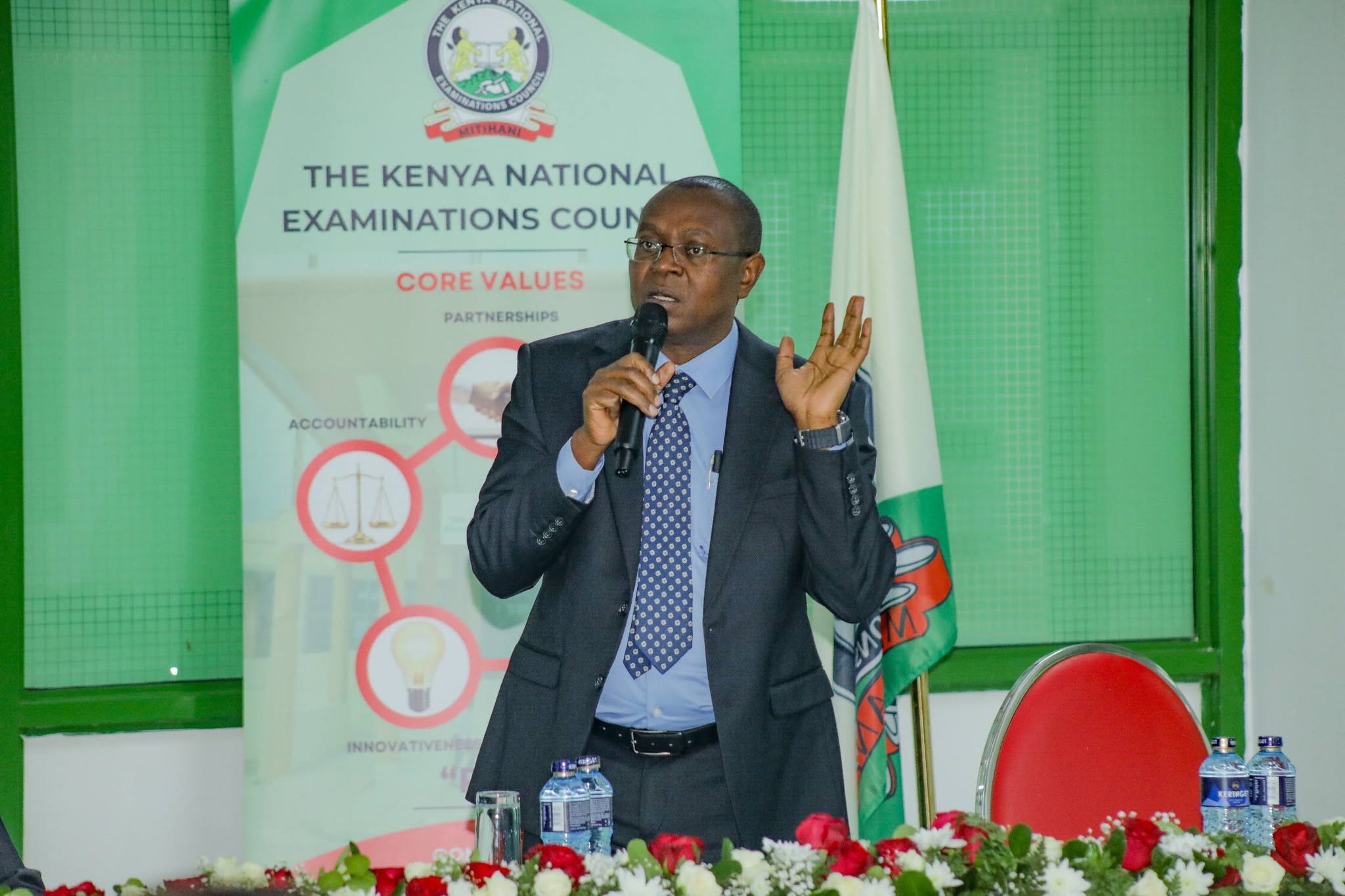
KNEC Chief Executive Officer Dr David Njeng’ere disclosed the figure during a high-level stakeholders’ meeting held on Thursday, which brought together senior education officials, school leaders, private education representatives and parents’ representatives to review readiness ahead of the examination period.
The meeting was presided over by John Ololtuaa, Principal Secretary in the State Department for Basic Education, who reaffirmed the government’s determination to ensure the 2026 assessment and examination process is conducted efficiently, fairly and with the highest level of integrity.
The record candidature presents a major logistical undertaking for KNEC and the thousands of schools expected to serve as assessment and examination centres. Beyond sheer numbers, the exercise will require close coordination among examination personnel, school administrators, security agencies, transport networks and other government institutions tasked with ensuring examination materials reach centres securely and on time.
PS Ololtuaa stressed the importance of all stakeholders working together to protect the integrity of the national assessment system and guarantee that every candidate is given a fair opportunity to demonstrate their knowledge and competencies. The Ministry of Education has pledged to provide the necessary support to KNEC and other agencies involved, with particular emphasis on efficiency, fairness, security and the prevention of examination malpractice.
ALSO READ:
Moi University averts KSh1 billion debt crisis as landmark court battle ends
Representatives of the Kenya Secondary School Heads Association (KESSHA), Kenya Comprehensive School Heads Association (KECSHA), Kenya Private Schools Association (KPSA), Special School Heads Association of Kenya (SSHAK) and the National Parents Association (NPA) took part in the engagement, offering a broader platform for coordinating preparations across public, private, comprehensive and special schools.
Parents’ representatives were also present, underscoring the role families are expected to play in supporting candidates through the examination period, including ensuring learners report to their centres on time, have the required materials, and receive adequate emotional and practical support.
Examination malpractice remains one of the biggest concerns surrounding any large-scale national exercise of this kind. Officials noted that the larger the candidate population, the greater the need for strict controls to prevent leakage of examination materials, impersonation, unauthorised communication and other forms of malpractice. KNEC and its partners are expected to maintain robust security measures throughout the examination chain, from registration and preparation of materials to transportation, distribution, administration, collection, marking and release of results.
The government has emphasised fairness, insisting that every candidate, regardless of whether they attend a public, private, comprehensive or special school, must be given an equal opportunity to participate in the national assessment process. This has made coordination between KNEC, the Ministry of Education, school administrators and other stakeholders a central priority.
For school heads, the immediate priority will be ensuring their institutions are ready to function as secure, properly equipped assessment centres. Teachers and examination officials are expected to focus on understanding procedures, maintaining confidentiality and complying strictly with KNEC regulations.
The scale of this year’s exercise also reflects the rapidly changing landscape of Kenya’s education system, with the national assessment framework required to continually expand its capacity without compromising accuracy, fairness or credibility. Officials say the 2026 exercise will serve as an important measure of how effectively the country’s assessment infrastructure can respond to a growing candidate population.
The Ministry of Education’s decision to engage major education sector associations ahead of the examinations signals recognition that no single institution can manage an exercise of this magnitude alone. While KNEC is responsible for administering the assessments, the success of the exercise will depend on a wider ecosystem of stakeholders working in tandem.
ALSO READ: MoE seeks to remove teachers and students from school boards under new bill
Behind the 3.6 million candidates are individual learners who have spent years preparing for this moment, teachers who have guided them, and families that have invested heavily in their education. The credibility of the final results will depend on the integrity of the entire process, which officials say will demand discipline, accountability, effective communication and commitment from everyone involved.
With preparations now intensifying at the national level, the government says its commitment is on record. The next test, officials acknowledge, will be implementation, as KNEC, the Ministry of Education and thousands of institutions nationwide work to deliver one of the biggest examination exercises Kenya has ever witnessed.
By Hillary Muhalya
You can also follow our social media pages on Twitter: Education News KE and Facebook: Education News Newspaper for timely updates.
>>> Click here to stay up-to-date with trending regional stories
>>> Click here to read more informed opinions on the country’s education landscape