







- The Ministry of Education has proposed removing teachers and student council representatives from school Boards of Management under the new Basic Education Bill.
- The government has introduced NGAO, alumni, and Principal Secretary representatives to align school governance with the Mwongozo Code and has argued the reforms will strengthen oversight and efficiency.
- Lawmakers have raised concerns about consultation and alumni representation, but ministry officials have maintained that the changes have been designed to improve governance and coordination in public schools.
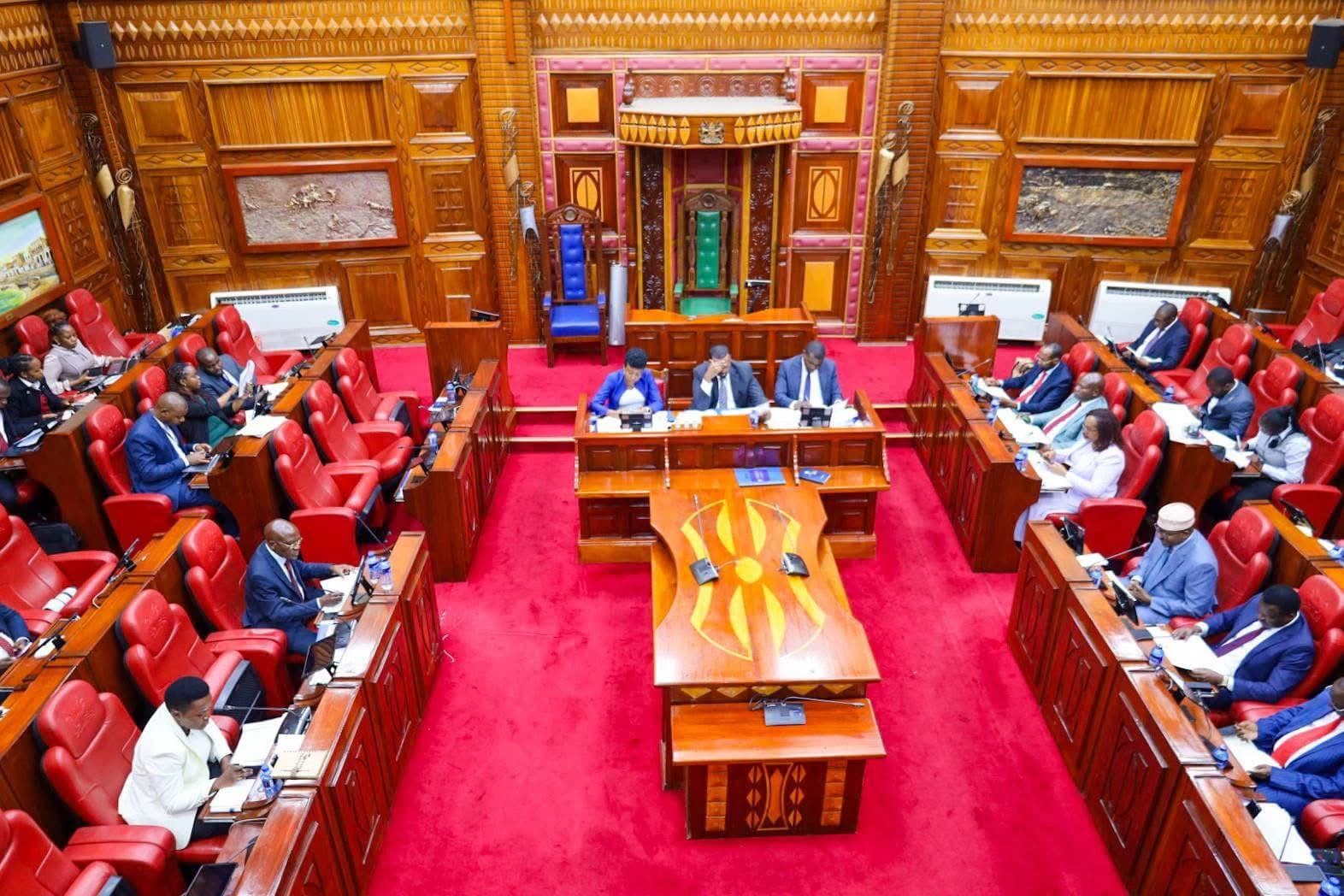
The Government has presented a proposal backed by the Ministry of Education (MoE) seeking to remove teachers and student council representatives from school Boards of Management [BOMs], through the proposed Basic Education Bill to the National Assembly’s Departmental Committee on Education, which is currently under review.
Nominees from the National Government Administration Officers [NGAO], alumni associations, and the Basic Education Principal Secretary representative will replace the teachers and students on the BOMs under the education bill.
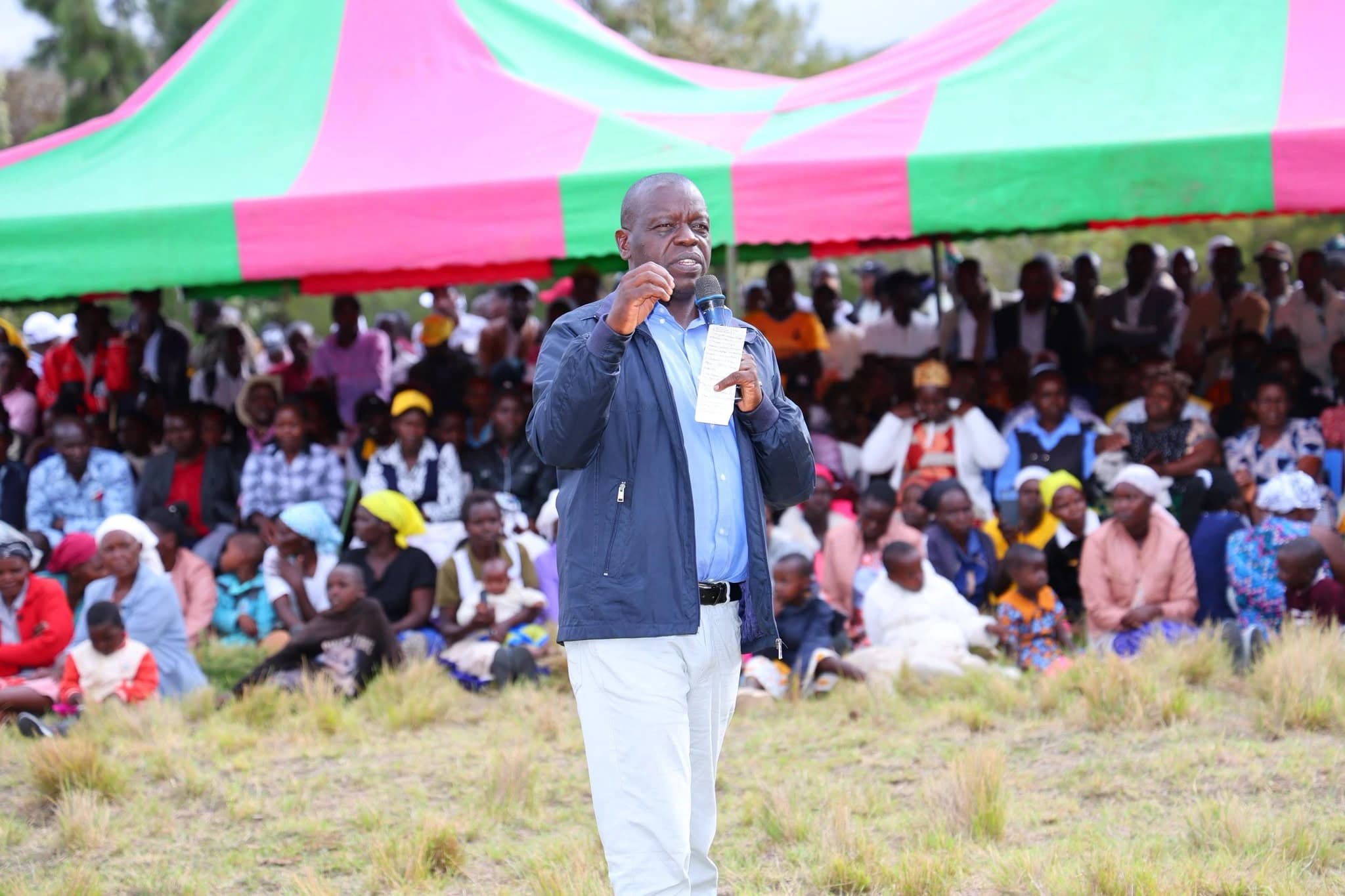
Director General for the State Department for Basic Education, Dr. Elyas Abdi, said the changes made in the BOMs will align the management of schools with the Mwongozo Code of Governance.
“The Bill proposes the removal of representatives of the teaching staff and students’ council from the Boards while introducing representatives from the National Government Administration Officers (NGAO), alumni associations and the Principal Secretary responsible for Basic Education,” the Committee on Education reported.
Speaking before the committee on August 6, the ministry officials stood with the proposed reforms, noting that the changes aim to strengthen administrative oversight, improve decision-making efficiency, and standardise public school governance.
ALSO READ:
https://educationnews.co.ke/kuppet-issues-7-day-strike-notice-over-16000-unresolved-teacher-promotions/
Under the proposed Bill, the Mwongozo code of Governance referenced by Elyas Abdi will create effective boards through the removal of internal representatives and replacement with external ones. If approved, the changes in school governance would mark a shift in school governance since the enactment of the Basic Education Act, 2013.
During a committee session chaired by Tinderet MP Julius Melly, lawmakers questioned whether teachers and students had been adequately consulted on the proposed management changes.
Concerns were also raised over the practicality of introducing alumni representatives, particularly in institutions where alumni associations are inactive or poorly organised.
Responding to the concerns, Dr. Abdi, told the committee that consultations had been conducted during the development of the proposed reforms.
ALSO READ: Catholic school heads meet at CUEA to promote faith-centred education
Supporters of the changes argued that the inclusion of NGAO representatives would enhance coordination between schools and national government structures.
Although MPs questioned how alumni representation would be implemented, the Ministry maintained that former students could contribute significantly to institutional development and support the implementation of long-term school development plans.
By Bernard Magada
You can also follow our social media pages on Twitter: Education News KE and Facebook: Education News Newspaper for timely updates.
>>> Click here to stay up-to-date with trending regional stories
>>> Click here to read more informed opinions on the country’s education landscape
>>> Click here to stay ahead with the latest national news.



Reader Discussion (0)
Sign in to comment