






As the Teachers Service Commission (TSC) rules out independent leadership for Junior Schools, questions are emerging over professional recognition, administrative representation, promotions and the place of university-trained educators in Kenya's evolving education system.
Kenya's education sector is once again confronting a defining policy question following TSC's reported decision to rule out independent leadership for Junior Schools under the proposed comprehensive school structure.
The development has reignited a debate that goes beyond the appointment of principals and deputy principals. At its heart is a question about how Kenya intends to organise its schools, recognise teachers' professional competencies and create an equitable administrative environment for the successful implementation of Competency-Based Education (CBE).
The position, highlighted in a KTN News report on November 9, 2026, signals a preference for integrating primary and Junior School (JS) sections under one institutional leadership structure.
While administrative integration may offer better coordination and resource utilisation, it also raises concerns about professional representation, leadership opportunities and the career progression of Junior School teachers. The question is therefore not only who heads a comprehensive school, but whether the proposed arrangement adequately recognises the distinct educational responsibilities of every section.
One comprehensive institution, one administration
The proposed arrangement envisages one institution operating under a single head, supported by deputies responsible for different educational sections. Under this framework, one deputy would oversee the primary section while another would coordinate Junior School.
The thinking is to minimise administrative duplication, promote the sharing of facilities and strengthen coordination across the stages of basic education. It also seeks institutional continuity, allowing learners to progress through the levels within an integrated school environment.
On paper, the model has considerable administrative appeal. Schools under one management structure could use resources more efficiently, coordinate academic programmes and strengthen accountability.
Administrative convenience must not, however, overshadow the professional and pedagogical realities of the different levels. A comprehensive school is not simply a collection of classrooms operating under one principal. It brings together different educational needs, teaching competencies and curriculum responsibilities, and its leadership structure must reflect that diversity.
The KNUT-KUPPET divide
The question of independent Junior School leadership has exposed differing positions among the major teachers' unions.
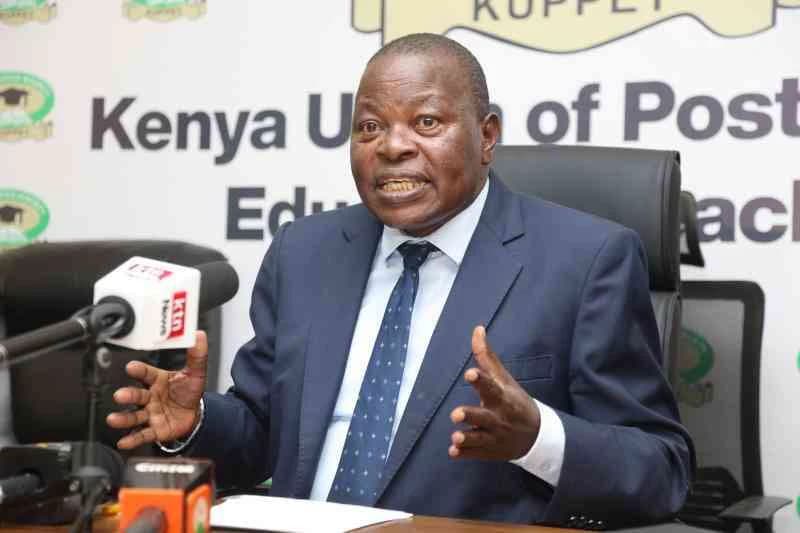
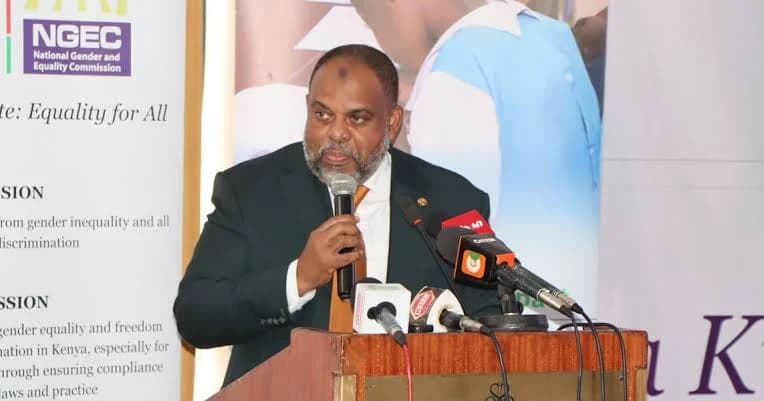
The Kenya National Union of Teachers (KNUT), led by Collins Oyuu, has supported the comprehensive school approach, favouring unified administration across the sections. The Kenya Union of Post-Primary Education Teachers (KUPPET), under Akello Misori, has advocated greater autonomy for Junior Schools, including independent leadership and administrative structures.
Those supporting unified leadership point to the need to avoid administrative duplication and use public resources efficiently. Those advocating independent Junior Schools argue that the level has specialised curriculum requirements that warrant leadership structures able to respond directly to its demands.
Both perspectives deserve serious consideration. The objective should not be to establish which union wins the debate, but to develop an administrative framework that strengthens learning institutions and protects the professional interests of teachers.
The professional identity of Junior School teachers
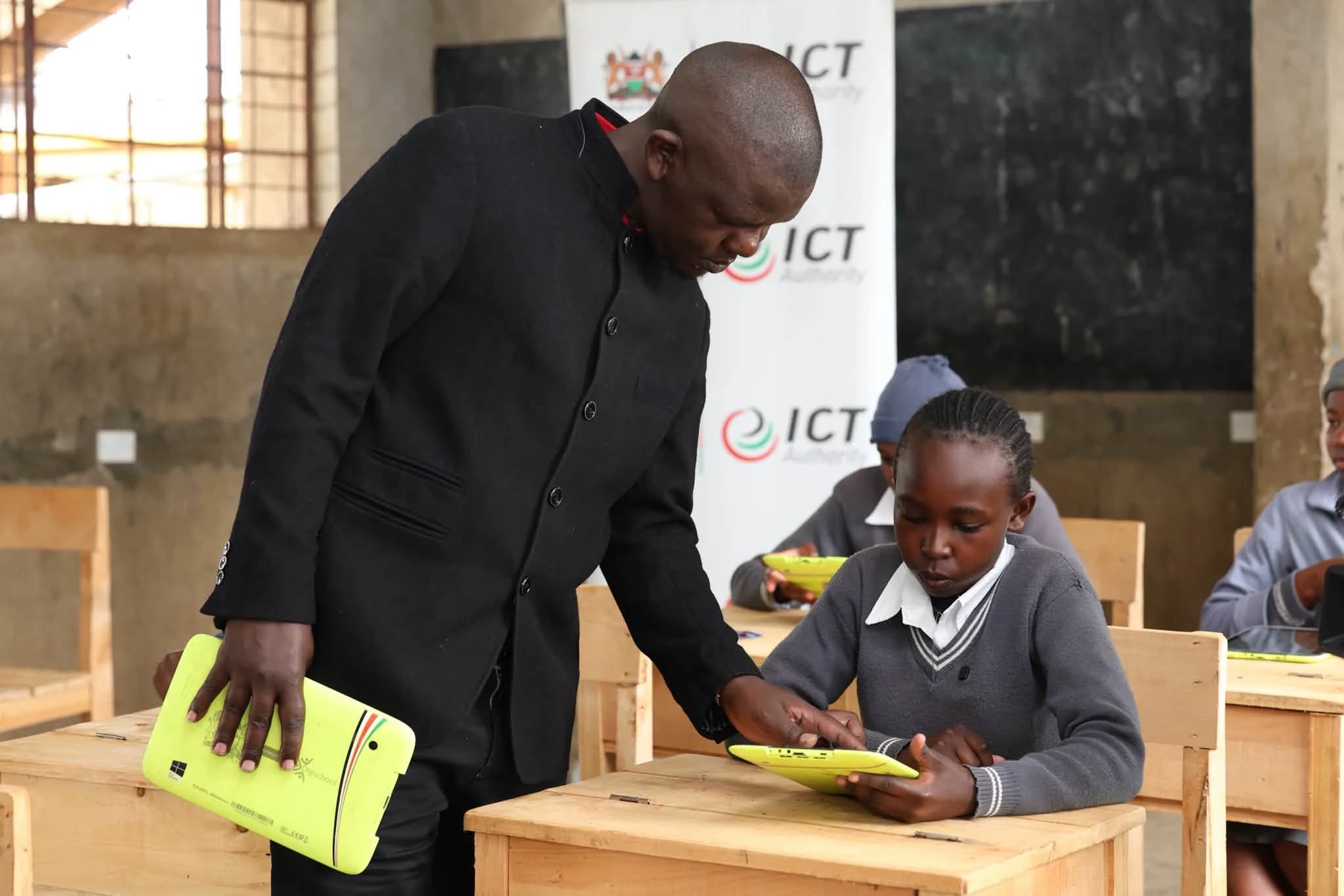
Perhaps the most consequential aspect of the debate is the professional recognition of Junior School educators. The introduction of Junior School brought a new dimension to basic education, with more emphasis on subject specialisation, practical learning, assessment and the development of competencies.
Many teachers at this level hold university qualifications and specialised training relevant to their responsibilities. They therefore expect an institutional environment in which their expertise is recognised and reflected in decision-making.
The concern is not necessarily that primary school administrators cannot manage Junior School sections, but that the management structure should appreciate the specialised demands of the curriculum and provide adequate professional representation.
A university degree alone should not automatically confer leadership superiority. Equally, years of experience in a particular section should not become an automatic barrier to other qualified professionals seeking leadership opportunities. Kenya needs a transparent, competency-based leadership framework that considers academic qualifications, professional training, experience, administrative ability and demonstrated performance.
Promotions and career progression
The debate also brings into focus long-standing concerns about teacher promotions and career progression. Some teachers moved into Junior School after spending considerable time in primary institutions, while others entered the profession with university qualifications aligned to the new curriculum structure. These different backgrounds require careful consideration.
Teachers who had already advanced through the ranks before being deployed to Junior School should not feel that their previous experience and achievements have been disregarded. Newly recruited graduates, similarly, must have clear opportunities to advance into positions of greater responsibility.
TSC must establish a framework that recognises previous service, professional qualifications and the specialised responsibilities of teaching at different levels. The existence of one principal should not mean limited leadership opportunities for teachers in Junior School, and a comprehensive school must provide professional growth opportunities across its entire workforce.
Acting appointments
Another matter deserving attention is the number of teachers serving in acting administrative capacities across the system. Long periods in acting positions can create uncertainty, undermine morale and limit the professional aspirations of capable educators.
As TSC restructures school leadership, it should also examine the deployment and confirmation of teachers in acting positions. The new model must set clear criteria for appointments, promotions and succession planning, with leadership positions accessible through transparent procedures that recognise merit, experience and competence. The Commission must also ensure that comprehensive schools do not narrow the opportunities available to teachers with the qualifications and experience to serve in administrative positions.
Infrastructure and resources
No leadership model can succeed without adequate infrastructure and resources. Junior Schools require properly equipped science laboratories, libraries, ICT facilities, workshops, learning materials and spaces for practical instruction.
Sharing facilities under one administration may be economically sensible, but it must be coordinated carefully to prevent competition between sections. There must be clear guidelines on budgeting, procurement, infrastructure development and the allocation of learning resources, and the financial needs of Junior School must not be overshadowed by those of other sections. A comprehensive school should be comprehensive in the distribution of opportunities and resources, not merely in its administrative designation.
What TSC must address before implementing the model
The Commission and the Ministry of Education have an opportunity to address the concerns through a clear and inclusive policy framework. Several issues require particular attention:
- Professional representation: Junior School teachers must have meaningful participation in institutional decision-making.
- Clear administrative responsibilities: The roles of principals, deputy principals, heads of departments and other administrators must be clearly defined.
- Fair career progression: Promotion opportunities must recognise qualifications, professional experience and demonstrated competence.
- Recognition of previous service: Teachers moving between educational levels must not lose the professional value of their previous experience and promotions.
- Infrastructure and funding: Every section must receive adequate resources to fulfil its curriculum responsibilities.
- Professional development: Teachers and administrators must receive appropriate training to manage the demands of CBE.
- Teacher welfare: Administrative reforms must protect professional dignity, motivation and favourable working conditions.
These are not peripheral matters. They are central to the successful implementation of the education reforms.
Administrative unity and professional specialisation
Kenya should avoid turning the comprehensive school debate into a contest between primary school headteachers and Junior School teachers. Both groups have important responsibilities. Primary school teachers provide the foundation on which learners build academic and social competencies, while Junior School teachers facilitate the transition towards more specialised learning and prepare learners for subsequent pathways. The two levels are interconnected and should complement each other.
The challenge is to develop an institutional structure that brings them together without diminishing the professional identity of either group. One principal may be sufficient for administrative coordination, but effective leadership must also recognise the expertise required at each level. A comprehensive school should have more than a unified reporting structure; it should have a professional culture that values collaboration, consultation, accountability and shared responsibility.
Measuring the success of CBE
Ultimately, the success of the comprehensive school model will not be determined by the number of principals appointed or the administrative titles created. It will be measured by the quality of teaching, learner achievement, availability of learning resources, teacher satisfaction and the ability of schools to deliver the objectives of CBE.
TSC must ensure that administrative reforms do not become an end in themselves. The country needs a school management system that recognises qualifications without dismissing experience, promotes unity without suppressing professional specialisation and creates leadership opportunities without unnecessary institutional competition. The government should also listen carefully to teachers before finalising a framework that will shape the future of basic education.
The real question is not simply whether Junior Schools should have independent principals. It is whether the comprehensive school model will give every teacher a fair professional standing, meaningful representation and a credible opportunity for career advancement.
Kenya does not need a comprehensive school system that merely brings different sections under one roof. It needs one that brings together professional expertise, institutional resources and educational aspirations in pursuit of better learning outcomes. That is the standard against which the proposed reforms should ultimately be judged.
Reader Discussion (0)
Sign in to comment