- Wetang’ula has challenged the Teachers Service Commission to prioritise rural schools when deploying teachers.
- Wetang’ula has acknowledged that thousands of teachers have been employed over the past four years, though rural schools have continued to face severe shortages.
- School heads in the region have raised concerns that staffing shortages have placed added financial pressure on constrained school budgets.
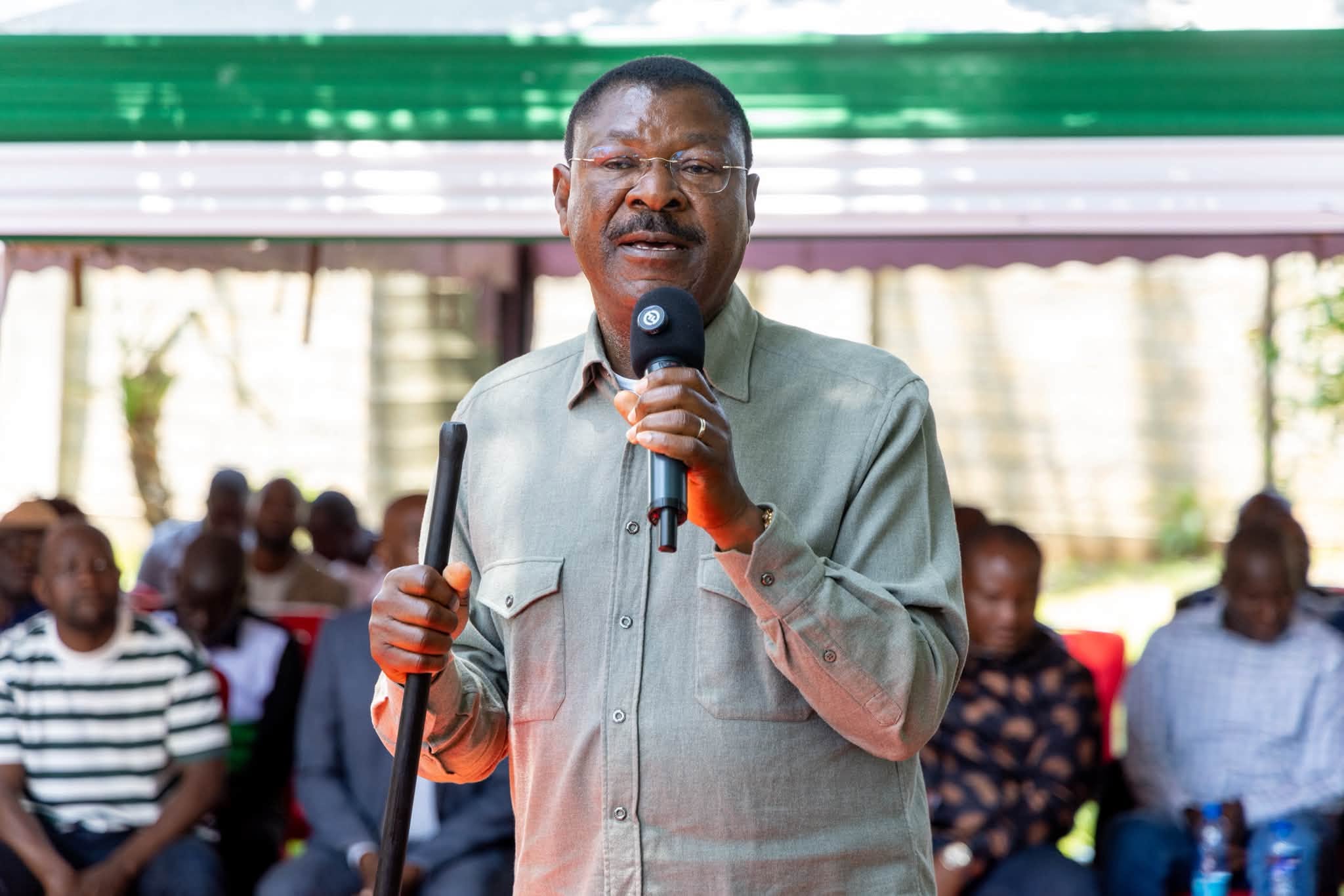
National Assembly Speaker Moses Wetang’ula has challenged the Teachers Service Commission to address the uneven distribution of teachers between rural and urban schools, calling for fairness in how educators are posted across the country.
Speaking in Nandi County, Wetang’ula said rural schools continued to experience severe staffing shortages compared with their urban counterparts, a situation he attributed to the imbalanced deployment of teachers. He urged the Ministry of Education and relevant agencies to prioritise rural schools when posting teachers. “We are therefore challenging the Ministry of Education to ensure fairness in teacher deployment. Let those concerned prioritise rural schools when posting teachers,” he said.
The Speaker said equal access to quality education was essential to national development and that no learner should be disadvantaged simply because they attend school in a rural area. “Equal access to quality education is key to national development, and because of this, we should all ensure that no child should be disadvantaged simply because of studying in rural areas,” Wetang’ula said.
ALSO READ:
MPs seek limits on school streams to ease senior school congestion
While acknowledging that the government had made progress in addressing teacher shortages, with thousands of teachers employed over the past four years, Wetang’ula said the gains had not been evenly felt across the country, with rural institutions still bearing the brunt of the staffing gap.
Wetang’ula also praised the national government for its continued investment in education, saying improved infrastructure and equitable staffing were critical to raising standards and empowering young people. He said government-funded education projects were improving learning conditions and had the potential to boost academic performance in schools, adding that development projects should focus on initiatives with a direct impact on citizens’ lives.
He urged leaders to shift their attention from political confrontations to service delivery. “We must prioritise service delivery. Kenyans want to see real change through development, but not constant political bickering and insults,” he said.
Murkomen urges student leaders to take active role in shaping Kenya’s future
His remarks came after school heads from the region raised concerns over inadequate staffing, saying the shortages had placed additional financial pressure on already constrained school budgets.
You can also follow our social media pages on Twitter: Education News KE and Facebook: Education News Newspaper for timely updates.
>>> Click here to stay up-to-date with trending regional stories
>>> Click here to read more informed opinions on the country’s education landscape
>>> Click here to stay ahead with the latest national news.