


- Garissa education stakeholders want Arabic introduced from Grade Four and madrasa education integrated into formal schooling.
- They told MPs that madrasa learning plays an important role in children’s early education across the region.
- Stakeholders also raised concerns about school capitation, university financing and provisions in six proposed education reform Bills.
Garissa residents have called for the recognition of Arabic as part of Kenya’s formal education curriculum, saying the language plays an important role in the cultural and religious lives of communities in the region.
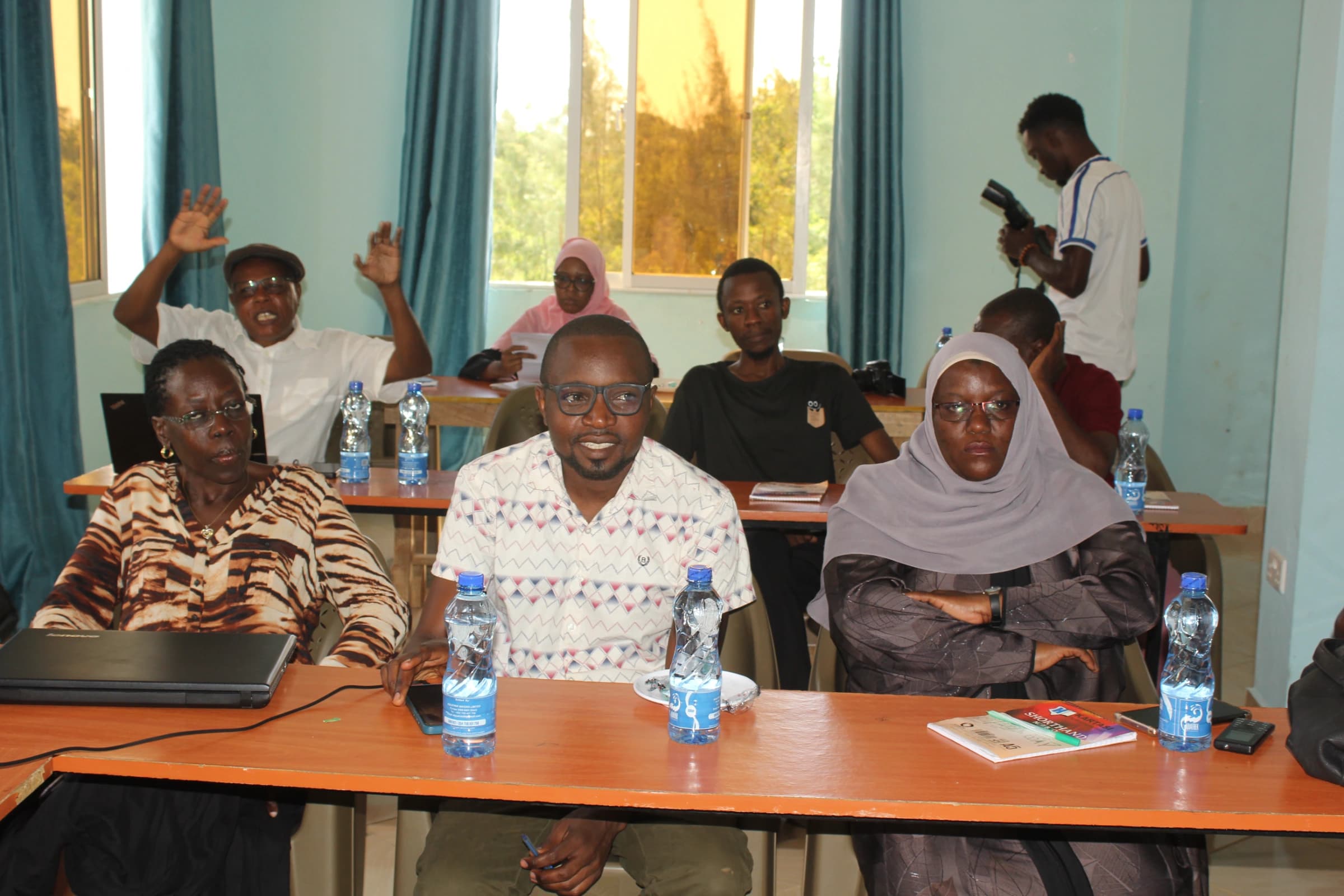
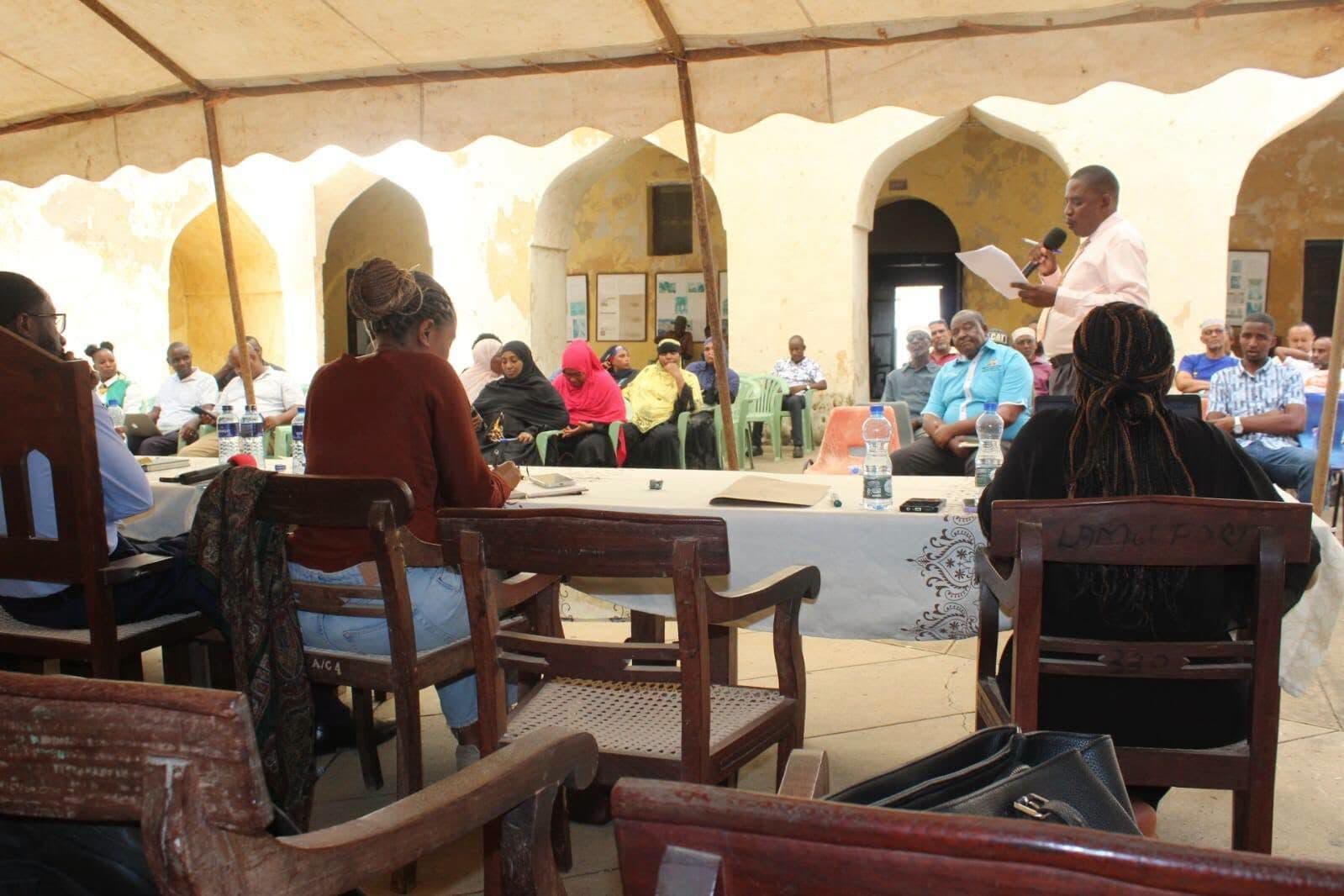
The proposal was presented to a National Assembly Education Committee sub-committee during a public participation forum at Garissa University on Tuesday, as stakeholders gave their views on six proposed education reform Bills.
The Garissa County Education Board, through its secretary Abdi Maalim, asked the committee to consider integrating madrasa education into the formal education system and introducing Arabic from upper primary.
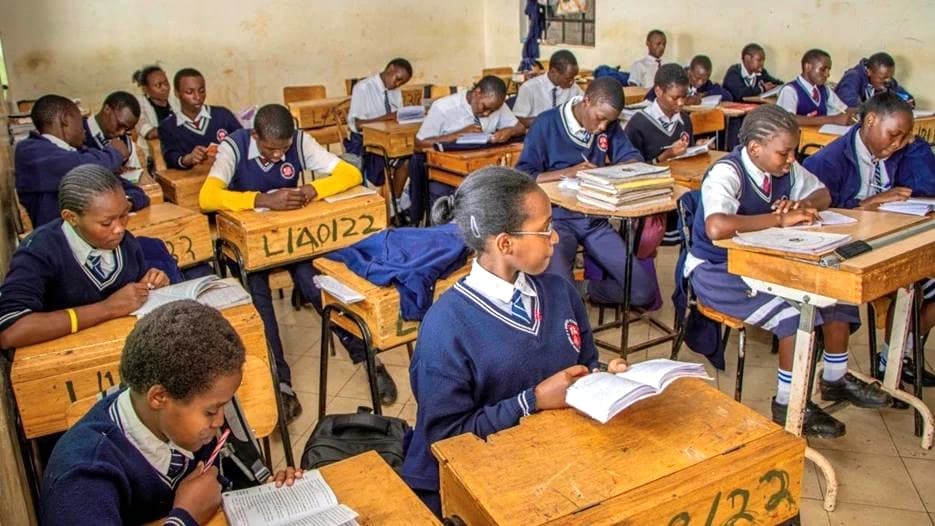
Maalim said many children in the county begin their education in madrasa settings before joining formal schools, making it necessary for the education system to recognise the role played by such institutions.
“Many of our children begin their learning journey under a tree or in a madrasa at a very young age. We propose that the Ministry of Education establishes a task force to determine how madrasa education can be incorporated into the curriculum,” he said.
Garissa Sub-County Director of Education Rashid Mohammad proposed that Arabic be introduced from Grade Four to give learners sufficient time to develop proficiency in the language.
Unions raise school funding concerns
Education stakeholders also raised concerns over school financing, with the Kenya Union of Post Primary Education Teachers (KUPPET) and Kenya National Union of Teachers (KNUT) calling for stronger provisions on capitation to ensure schools receive adequate and timely funding.
Students at Garissa University further urged Parliament to strengthen provisions in the proposed Tertiary Education, Placement and Funding Bill to protect learners from delays in higher education financing.
Meanwhile, a separate committee led by Kitutu Masaba MP Clive Gisairo held a public participation forum in Lamu, where residents called for stronger school inspection and accountability mechanisms.
The stakeholders also urged Parliament to recognise the Centre for Mathematics, Science and Technology Education in Africa (CEMASTEA) as a national institution responsible for teacher capacity development.
They said CEMASTEA had played an important role in strengthening teachers’ capacity, particularly in mathematics, science and technical subjects.
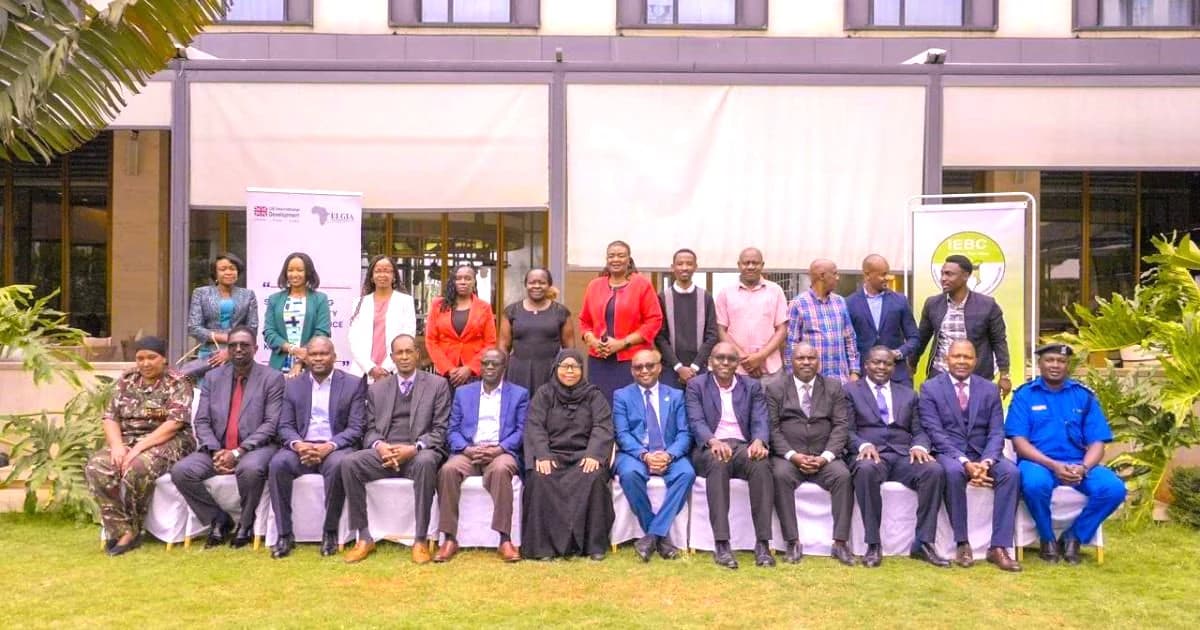
The committees welcomed the submissions, saying the views would inform consideration of the proposed education laws.
Haro urged stakeholders to submit additional proposals through the Office of the Clerk of the National Assembly, particularly on the proposed higher education funding framework.
READ ALSO: Narok Grade Five pupil Amos Kipkorir appeals for over Sh20,000 to resume medical treatment
Gisairo similarly asked Lamu residents to scrutinise the proposed Bills and submit views on provisions affecting parents, teachers and learners.
By Our Reporter
Get more stories from our website: Education News
To write to us or offer feedback, you can reach us at: editor@educationnews.co.ke
You can also follow our social media pages on Twitter: Education News KE and Facebook: Education News Newspaper for timely updates.
>> Click here to stay up-to-date with trending regional stories
Reader Discussion (0)
Sign in to comment