- Education Cabinet Secretary Julius Migos Ogamba says public universities are grappling with a KSh28 billion funding deficit.
- MPs questioned the sustainability of university financing and warned that continued deficits could undermine higher education.
- The government has urged universities to diversify their income through research, innovation and commercial ventures.
Kenya’s public universities are staring at a crippling KSh28 billion funding deficit, laying bare the growing financial distress threatening the country’s higher education sector and prompting Parliament to demand urgent reforms to safeguard the future of universities.
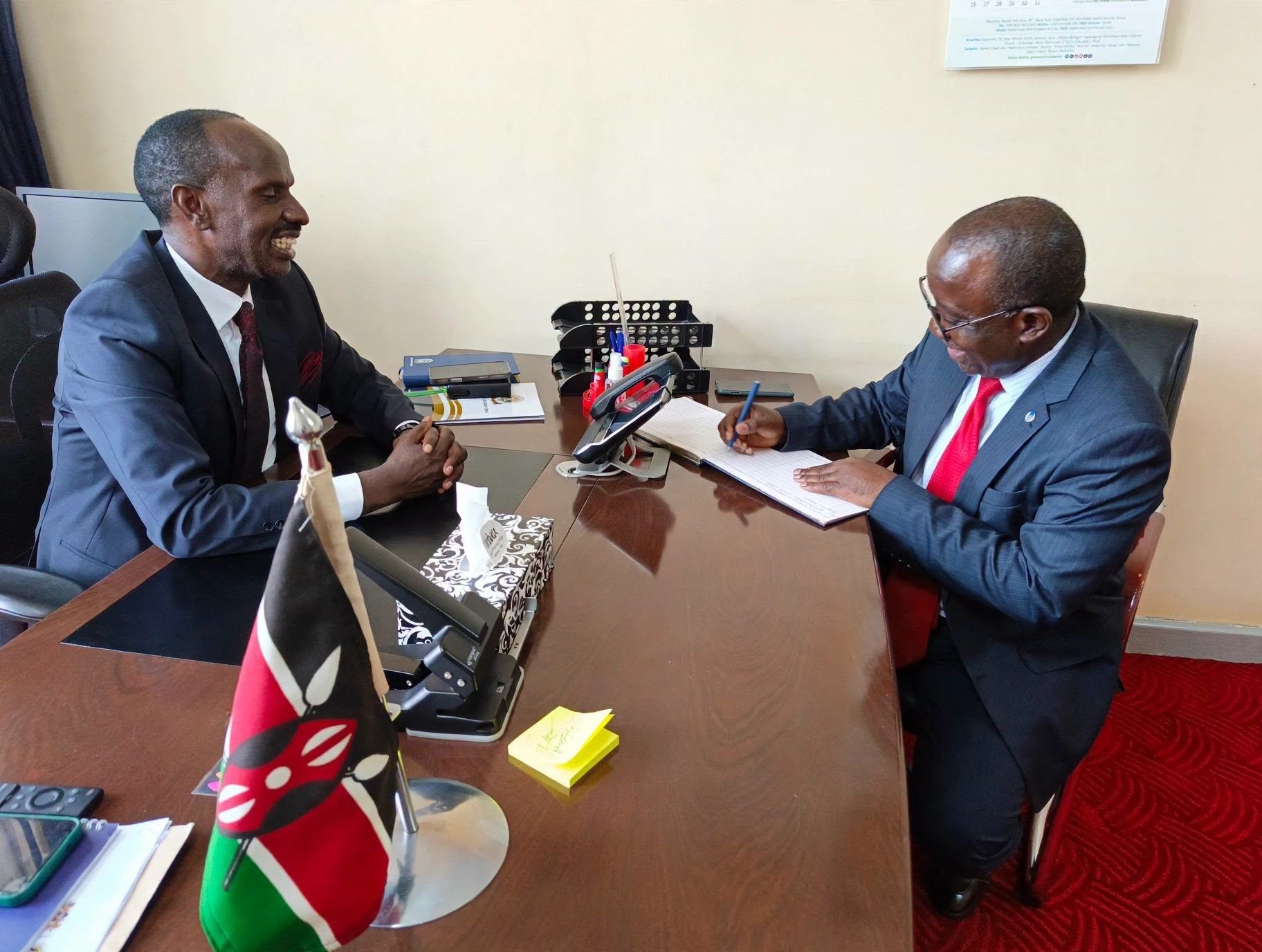
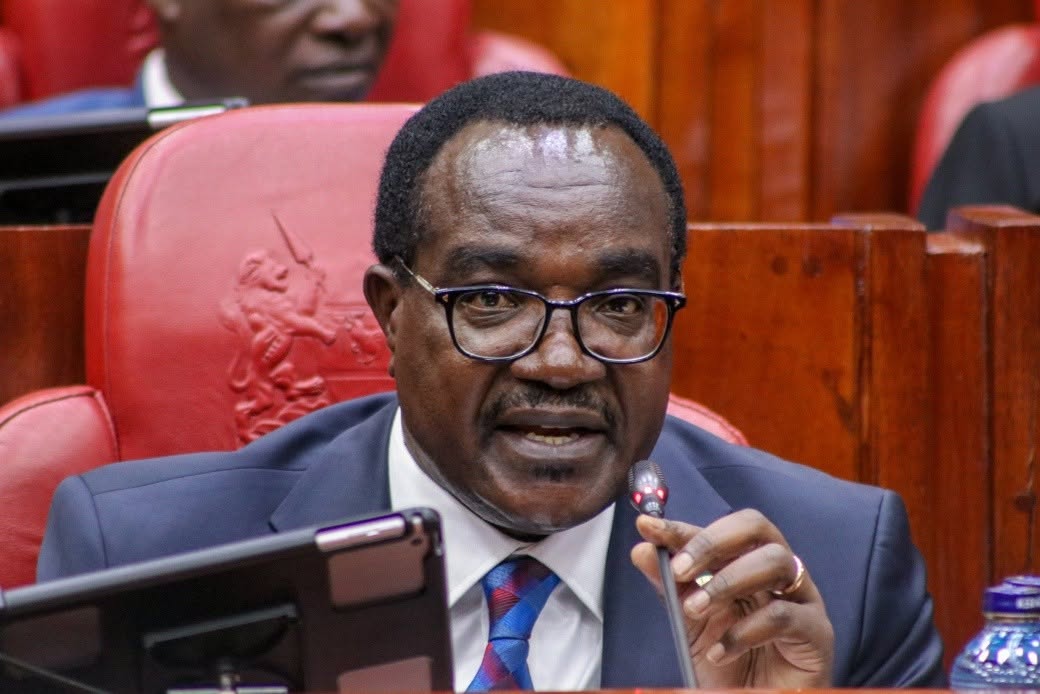
The alarming disclosure was made by Education Cabinet Secretary Julius Migos Ogamba during his appearance before the National Assembly’s Public Investments Committee on Governance and Education on Wednesday, July 15, where legislators mounted fresh pressure on the Ministry of Education over the sustainability of university financing and the prudent management of billions of shillings allocated to higher learning institutions.
Ogamba acknowledged that although the Government continues to invest heavily in higher education, available resources are no longer sufficient to meet the increasing cost of training a rapidly growing student population.
The Cabinet Secretary told MPs that despite the Government releasing KSh5.2 billion to finance students in Technical and Vocational Education and Training (TVET) institutions, public universities continue to grapple with an unresolved funding shortfall of nearly KSh28 billion.
He explained that the widening deficit has been driven by rising student enrolment, increasing operational expenses, expanding infrastructure needs, growing staff costs and heightened demand for scholarships and Higher Education Loans Board (HELB) support.
The disclosure paints a worrying picture of universities operating under severe financial strain, with many institutions struggling to meet recurrent expenditure while maintaining quality teaching, research and innovation.
The revelation sparked tough interrogation from lawmakers, who questioned whether the Government’s budgetary priorities adequately reflect the strategic importance of higher education in Kenya’s economic transformation agenda.
Members of the committee argued that funding deficits have accumulated over several financial years despite repeated supplementary allocations.
They pointed to an earlier KSh2.5 billion deficit reported during the 2019/2020 financial year, noting that successive budget interventions have failed to eliminate historical funding gaps.
The MPs warned that unless sustainable financing mechanisms are adopted, universities risk sinking deeper into financial distress, ultimately affecting the quality, accessibility and competitiveness of Kenya’s higher education system.
Funding model under scrutiny
The parliamentary session also revived debate over Kenya’s student-centred university funding model, which allocates scholarships and HELB loans according to the financial needs of individual learners.
The model was introduced to replace the previous uniform funding system by directing greater support to students from vulnerable backgrounds through different funding bands.
While the policy was intended to promote equity and improve access to university education, legislators observed that implementation challenges continue to undermine its effectiveness.
Among the concerns raised were delayed release of scholarships and loans, affordability challenges for students placed in lower funding bands, administrative bottlenecks and inadequate public awareness.
Committee members noted that many students eligible for Government scholarships and TVET financial support remain unaware of the opportunities available, discouraging some from enrolling because they believe they cannot afford higher education.
Beyond the funding crisis, the committee raised serious concerns over financial accountability within public universities.
Kaspul MP Boyd Were revealed that Parliament’s ongoing examination of Auditor-General’s reports had uncovered significant cases of financial mismanagement in some institutions.
He praised several university vice-chancellors and TVET principals for prudent stewardship of public resources but warned that others would face serious parliamentary recommendations after failing to account for expenditure involving taxpayers’ money.
According to the legislator, evidence gathered by the committee points to cases of theft, misuse and plunder of public resources that cannot be ignored.
The committee maintained that restoring confidence in university financing will require stronger governance systems, transparent procurement processes and stricter enforcement of public financial management laws.
Ogamba calls for self-sustaining universities
Responding to lawmakers’ concerns, Ogamba said the Ministry of Education is engaging the National Treasury for additional budgetary support while encouraging universities to embrace innovative income-generating ventures.
He argued that public institutions can no longer depend exclusively on the Exchequer and must diversify their revenue sources through commercial enterprises, research commercialisation, consultancy services and strategic partnerships with industry.
The Cabinet Secretary highlighted several successful initiatives already being undertaken by universities, including commercial bakeries, dairy farming, automotive garages, packaging industries, value-addition projects and agricultural enterprises.
He cited Chuka University, which has ventured into edible oil production, as an example of institutions embracing innovation to strengthen financial sustainability.
“The Exchequer can no longer support these institutions 100 per cent,” Ogamba told the committee, emphasising that universities must increasingly leverage research, innovation and enterprise development to secure their long-term financial future.
The parliamentary scrutiny comes as Kenya’s higher education sector faces unprecedented pressure from record university enrolment, rising inflation, expanding infrastructure demands and growing expectations for affordable, quality education.
The KSh28 billion funding deficit has become a stark reminder that without comprehensive reforms, stronger financial discipline and sustainable financing strategies, universities will continue to struggle to fulfil their mandate.
As Parliament intensifies oversight of public universities, the outcome of the ongoing audit review is expected to shape the future of university governance, funding and accountability.
READ ALSO: CS Murkomen to preside over Tenwek High School prize giving day as State House, NG-CDF donate two new buses
The decisions made in the coming months could determine whether Kenya’s universities emerge stronger and more financially resilient or continue battling recurring deficits that threaten the country’s ambition of building a globally competitive higher education system.
By Hillary Muhalya
You can also follow our social media pages on Twitter: Education News KE and Facebook: Education News Newspaper for timely updates.
>>> Click here to stay up-to-date with trending regional stories
>>> Click here to read more informed opinions on the country’s education landscape
>>> Click here to stay ahead with the latest national news.