






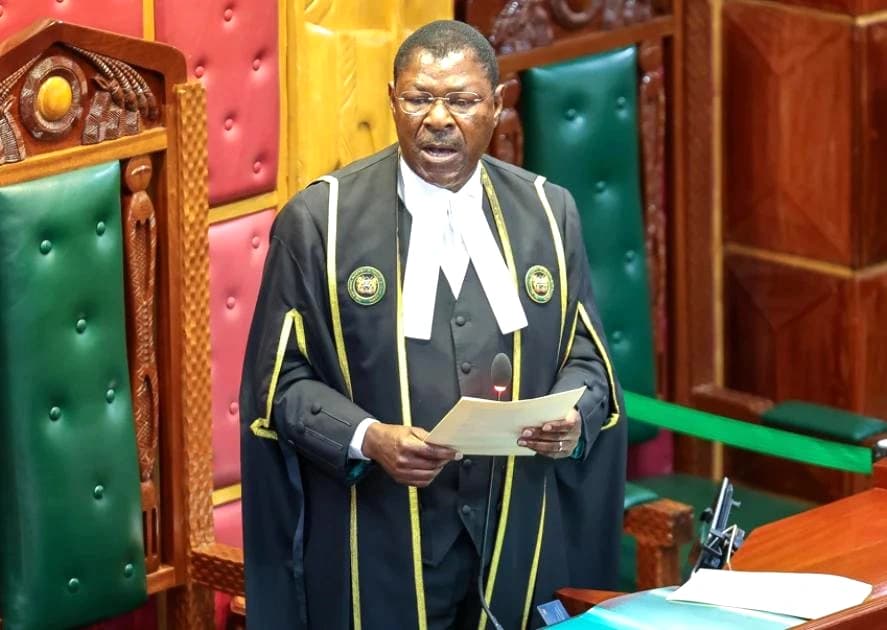


- Effective school leadership requires balancing discipline with fairness, professionalism and respect.
- Hillary Muhalya explains why not every disagreement amounts to insubordination and how principals can enforce accountability without damaging staff morale or school culture.
- He argues that schools thrive when discipline is guided by policy, consistency and emotional intelligence rather than fear.
Every school leader dreams of building a peaceful, productive and high-performing school. They invest in improving academic results, strengthening discipline, supporting teachers and creating an environment where learners can thrive. Yet many schools are not brought down by a lack of resources or poor infrastructure. They are slowly weakened from within by unresolved staff conflict, poor leadership decisions and unchecked insubordination.
One openly defiant teacher can quietly poison an entire staffroom if the situation is mishandled. Colleagues begin taking sides. Respect for leadership starts to fade. School policies become optional. Professional standards decline. Before long, the culture of excellence that took years to build begins to crumble.
But there is another danger that is just as destructive.
Some school leaders respond to every disagreement with anger, threats and public humiliation. They confuse authority with intimidation and believe that shouting the loudest proves they are in charge. It doesn’t. Fear may produce temporary obedience, but it never produces genuine respect. Schools built on fear eventually become workplaces where teachers merely survive instead of serving with passion.
The truth every school leader must understand is this: not every disagreement is insubordination.
A professional teacher who asks questions during a meeting is not being rebellious.
A teacher who respectfully presents a different opinion is not challenging your authority.
A teacher who seeks clarification before implementing a new policy is demonstrating professionalism, not disrespect.
Healthy schools encourage constructive conversations because the best decisions are often emerge when different ideas are discussed respectfully.
Distinguish disagreement from insubordination
Real insubordination begins when a teacher deliberately refuses to obey lawful and reasonable instructions, repeatedly ignores school policies, openly disrespects school leadership or intentionally undermines administrators before colleagues, parents or learners. Such behaviour weakens discipline, damages teamwork and erodes confidence in leadership if left unchecked.
However, effective leaders never rush to punish.
They first examine themselves.
Before confronting a teacher, ask difficult questions. Was the instruction communicated clearly? Was it reasonable? Was it lawful? Was it delivered respectfully? Is this an isolated incident or part of a repeated pattern? Sometimes what appears to be defiance is simply the result of unclear communication or conflicting expectations. Great leaders first evaluate their own leadership before correcting someone else.
Never become a leader who disciplines based on rumours, assumptions or emotions.
Investigate first.
Listen carefully.
Gather facts.
Allow the teacher an opportunity to explain.
Many situations that initially appear to be insubordination turn out to be misunderstandings, workplace stress, burnout, frustration or confusion. Strong leaders seek the truth before reaching conclusions because fairness earns lasting respect.
Another mistake that destroys trust is confusing incompetence with insubordination.
A teacher who struggles with lesson planning, classroom management, assessment or technology is not necessarily refusing to work. They may simply need coaching, mentoring, supervision or professional development. Weakness in performance should not automatically be treated as rebellion. Discipline is designed to address unwillingness, while training addresses inability. Wise leaders know the difference.
Discipline with dignity and consistency
When correction becomes necessary, protect the teacher’s dignity.
Never embarrass a member of staff before learners.
Never criticise them in front of parents.
Never use staff meetings to settle personal scores.
Public humiliation rarely changes behaviour. Instead, it breeds resentment, destroys confidence and divides the staff. Private conversations, conducted respectfully but firmly, preserve relationships while maintaining accountability.
Successful school leaders also understand that policies—not personalities—should guide discipline.
Avoid saying, “Because I am the principal.”
Instead, say, “Our school’s policy requires this.”
Policies remove personal emotions from difficult conversations. They ensure every teacher is treated fairly, consistently and professionally. When discipline is rooted in established procedures rather than personal feelings, accusations of favouritism and victimisation become far less likely.
Documentation is equally essential.
Professional leadership is built on evidence, not memory.
Every disciplinary matter should clearly record what happened, when it occurred, who witnessed it, which policy was involved, what action was taken and how the teacher responded. Good documentation protects everyone—the school, the employee and the school leader. It also ensures fairness if further disciplinary action becomes necessary.
Equally important is progressive discipline.
Not every mistake deserves the harshest punishment.
Some situations require guidance.
Others require coaching.
Some demand formal warnings.
Only the most serious or repeated cases should progress to stronger disciplinary measures. Consistency matters far more than severity. Teachers quickly recognise whether leadership applies standards fairly or selectively. Favouritism destroys credibility faster than almost any other leadership failure.
Leadership shapes school culture
Ultimately, every disciplinary decision shapes your school’s culture.
When insubordination is ignored, indiscipline spreads.
When leadership becomes abusive, fear spreads.
Neither produces a healthy school.
The strongest principals are not those who shout the loudest or punish the fastest. They are leaders who remain calm under pressure, apply policies consistently, communicate with respect and make decisions guided by fairness rather than emotion.
Authority without emotional intelligence becomes intimidation.
Discipline without dignity creates resentment.
Policies without consistency become meaningless.
Accountability without compassion destroys trust.
Every conversation, every warning and every disciplinary decision sends a message to the entire staff about the kind of leader you are and the kind of school you are building.
The real question is not whether you have the authority to discipline an insubordinate teacher.
The real question is whether your leadership inspires professionalism, protects dignity, strengthens accountability and leaves your school culture stronger than it was before the problem began.
Because, in the end, schools are not remembered for how many people were punished.
READ ALSO: Masii businessman sponsors 52 students, builds school for needy children
They are remembered for the quality of leadership that shaped the people within them.
By Hillary Muhalya
Hillary Muhalya is a teacher and education commentator.
You can also follow our social media pages on Twitter: Education News KE and Facebook: Education News Newspaper for timely updates.
>>> Click here to stay up-to-date with trending regional stories
>>> Click here to read more informed opinions on the country’s education landscape
>>> Click here to stay ahead with the latest national news.



Reader Discussion (0)
Sign in to comment