As Kenya edges closer to the 2027 General Election, attention is shifting to the politicians whose ambitions, political alliances and leadership decisions could shape the battle for State House and other influential positions.
But before President William Ruto, former Deputy President Rigathi Gachagua, Nairobi Senator Edwin Sifuna and Embakasi East MP Babu Owino became household names, their journeys began in classrooms scattered across the country.
From established secondary schools to local primary institutions, these eight political figures' educational backgrounds offer a glimpse into the formative years of leaders who now command significant influence in Kenya's political landscape.
Some rose through student leadership, others built careers in law, academia and public administration, while several ventured into elective politics and established themselves through the ballot.
With political realignments, coalition negotiations and succession debates expected to intensify ahead of the 2027 polls, the schools these leaders attended are attracting renewed attention.
Here is a look at the educational journeys of eight prominent Kenyan politicians whose political fortunes could feature prominently in the next General Election.
Babu Owino: From Kisumu Boys to the national political stage
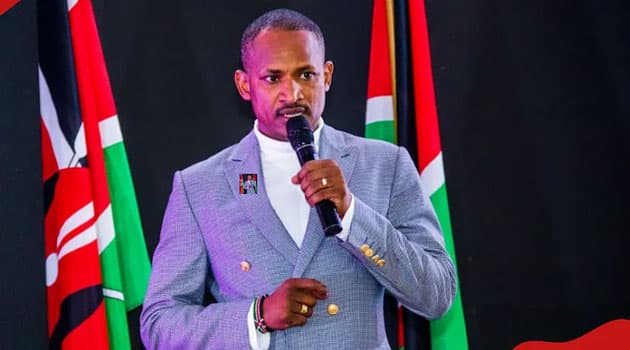
Embakasi East member of parliament Babu Owino Embakasi East MP Babu Owino, whose real name is Paul Ongili Owino, has built a reputation as one of Kenya's outspoken politicians, with a political journey closely associated with student leadership and youth mobilisation.
He attended Central Primary School in Kisumu, where he reportedly scored 401 marks in the Kenya Certificate of Primary Education (KCPE).
He later joined Kisumu Boys High School, where he attained an A-minus grade with 79 points in the Kenya Certificate of Secondary Education (KCSE), according to accounts of his academic background.
Owino subsequently joined the University of Nairobi, where he pursued studies in actuarial science and law. His educational background, coupled with his involvement in student politics, helped shape the public profile he later carried into elective politics.
Today, he remains a prominent political voice, particularly among younger voters, as debates over leadership, accountability and Kenya's political future gather momentum ahead of 2027.
Edwin Sifuna: The Musingu High School connection
Nairobi County Senator Edwin Sifuna Nairobi Senator Edwin Sifuna attended Musingu High School in Kakamega County between 1996 and 1999, according to accounts of his educational history.
The school has been associated with several notable personalities in Kenya's legal and political circles, including lawyer Nelson Havi, legal scholar Elisha Ongoya, Kakamega Senator Boni Khalwale and Butere MP Tindi Mwale.
After completing his education, Sifuna established himself as a lawyer before rising through the political ranks to become Nairobi senator and a prominent figure within the Orange Democratic Movement (ODM).
His direct communication style and outspoken contributions to debates about party leadership and national politics have kept him in the public spotlight.
His association with the Linda Mwananchiylum political movement, alongside figures including Babu Owino, has also placed him among the politicians attracting attention as competing political camps position themselves ahead of the 2027 General Election.
William Ruto: The schools behind his journey to State House
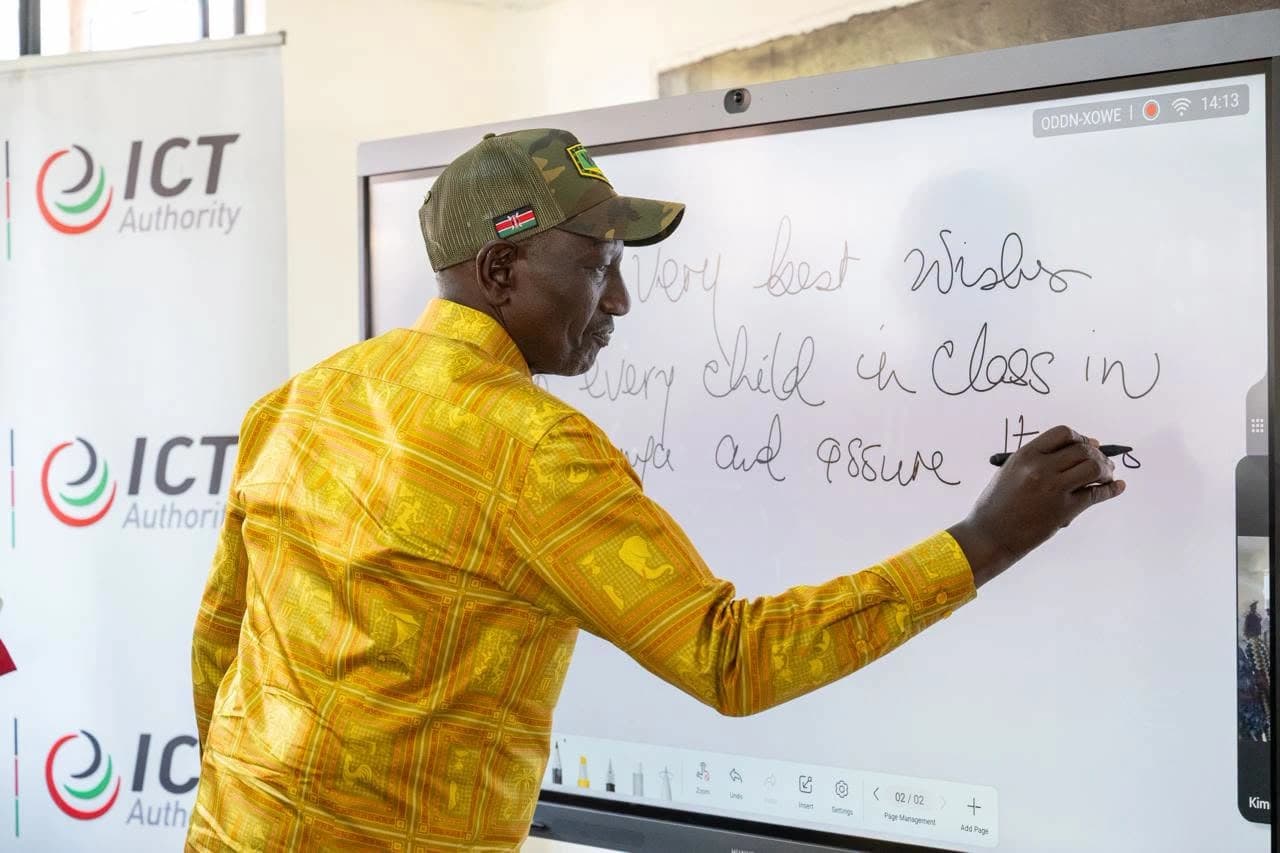
President William Ruto
President William Ruto's educational journey included Wareng Secondary School in Eldoret, Uasin Gishu County, where he studied from 1981 to 1984, before proceeding to Kapsabet Boys High School in Nandi County for his A-level education.(Education News Kenya — https://educationnews.co.ke/news/2027-election-fever-schools-that-produced-ruto-gachagua-babu-owino-sifuna-and-other-powerful-kenyan-politicians)
Kapsabet Boys is among Kenya's prominent secondary schools and has a notable connection to the country's presidency, having educated both Ruto and former President Daniel arap Moi.
During the school's centenary celebrations, Ruto recalled details of his time as a student, including his admission number, 5065, and his stay at Cheruiyot Dormitory in Solai House.
He later joined the University of Nairobi, where he studied botany and zoology, earning a Bachelor of Science degree before pursuing postgraduate studies.
His journey from secondary school to the presidency is frequently cited in discussions about the educational backgrounds of Kenya's political leaders.
As the incumbent president approaches the 2027 election, his administration's record, political alliances and ability to maintain public support are expected to shape his campaign for another term.
Anne Waiguru: From Precious Blood to Kirinyaga leadership
Kirinyaga Governor Anne Waiguru Kirinyaga Governor Anne Waiguru is another influential political figure whose educational background forms part of her journey into public administration and elective leadership.
She attended Nairobi River Primary School before joining Precious Blood Girls Secondary School in Nairobi. She subsequently completed her A-level education at Moi Forces Academy, where she developed an interest in mathematics and the sciences.
Waiguru later studied agriculture and home economics at Egerton University before earning a master's degree in economic policy from the University of Nairobi, specialising in public finance and governance.
Before entering county politics, she built a career in public administration and government, including work associated with institutional reforms and public-sector management.
Her experience in national government and county leadership has established her as a significant figure in Kenya's political landscape.
As discussions about possible coalitions, running mates and future leadership arrangements continue, Waiguru's name may feature in political speculation. However, any claims about a future national leadership role remain speculative unless confirmed by the relevant political actors.
Gladys Wanga: The former head girl leading Homa Bay
Homa Bay Governor Gladys Wanga
Homa Bay Governor Gladys Wanga began her education at Aga Khan Primary School in Kisumu before joining Kisumu Girls High School for her secondary education.
At Kisumu Girls, she served as head girl, an early leadership responsibility that forms part of her educational history.
Wanga later entered elective politics and rose through the ranks to become one of the prominent female leaders within ODM. Her election as Homa Bay governor strengthened her position in county leadership and national party politics.
Beyond her responsibilities in county administration, she has played a significant role in party affairs and discussions surrounding ODM's political direction.
As negotiations over alliances and leadership positions take shape ahead of the next General Election, Wanga remains among the leaders whose political influence could attract increased attention.
Her name has also featured in speculation about possible future national leadership arrangements, although no such position should be regarded as settled without an official announcement.
Kawira Mwangaza: From Meru classrooms to the national political debate
Former Meru Governor Kawira Mwangaza
Former Meru Governor Kawira Mwangaza's political journey has been marked by electoral breakthroughs, bitter political disputes and her eventual removal from office through impeachment.
Mwangaza attended CCM Ontulili Primary School in Meru County before proceeding to Moyale Girls Secondary School in Marsabit County, where she sat her KCSE examinations in 1992.
She later built a public profile through her involvement in Meru politics, eventually winning the governorship in the 2022 General Election.
Her victory disrupted established political calculations in the county and demonstrated her ability to mobilise voters outside traditional political structures.
However, her tenure was overshadowed by prolonged disagreements with members of the Meru County Assembly and repeated impeachment proceedings, culminating in her removal from office in 2024.
Despite the setback, Mwangaza has remained part of the broader political conversation. Her possible involvement in emerging political movements and realignments has attracted attention as politicians begin positioning themselves for the 2027 contest.
Whether she can translate her previous electoral support into renewed political influence will depend on her strategy, alliances and reception among voters.
Rigathi Gachagua: The Kianyaga High School graduate seeking a political comeback
Former Deputy President Rigathi Gachagua
Former Deputy President Rigathi Gachagua attended Kabiruini Primary School in Nyeri County before joining Kianyaga High School in Kirinyaga County for his secondary education.
He later enrolled at the University of Nairobi, where he studied political science and literature, graduating with a Bachelor of Arts degree in 1988.
Before rising to the highest levels of elective politics, Gachagua worked in public administration and developed a political base in the Mount Kenya region.
His election as Mathira MP in 2017 marked a major step in his political career. In 2022, he became Ruto's running mate, helping the Kenya Kwanza alliance secure victory in the presidential election.
However, his tenure as deputy president ended with his impeachment in October 2024, making him a central figure in one of the country's most consequential political confrontations of that period.
Since leaving office, Gachagua has remained active in opposition politics and positioned himself as a leading critic of the Ruto administration.
His prospects in 2027 will depend on his ability to consolidate support in Mount Kenya, build alliances beyond the region and convince voters that he can offer a credible alternative at the national level.
Fred Matiang'i: From Kiabonyoru School to the national leadership conversation
Former Interior Cabinet Secretary Fred Matiang'i
Former Interior Cabinet Secretary Fred Matiang'i is another figure whose name has featured in discussions about possible contenders in the 2027 presidential election.
Matiang'i attended Kiabonyoru Mixed Secondary School in Nyamira County before proceeding to Kisii School for his advanced-level studies.
He later joined Kenyatta University, where he earned a Bachelor of Education degree. He subsequently obtained a master's degree in English and a doctorate in communication and comparative literature from the University of Nairobi.
Matiang'i began his career in academia before moving into public service, where he held several Cabinet positions under former President Uhuru Kenyatta.
His government responsibilities included the education, information and communication, and interior dockets. His tenure at the Interior Ministry contributed to his reputation as a firm administrator associated with enforcement and institutional discipline.
His experience in government remains central to his public image, particularly among Kenyans assessing the records of potential national leaders.
As parties and prospective candidates prepare for the 2027 elections, Matiang'i continues to feature in conversations about possible presidential contenders. Whether he mounts a competitive bid will depend on his political intentions, party backing, coalition-building efforts and ability to establish a nationwide support base.
Education alone will not determine the 2027 winner
The educational journeys of these eight politicians illustrate the different routes through which Kenyan leaders have risen from primary and secondary school classrooms to positions of national and county influence.
Their stories also highlight the role of education in shaping professional careers, leadership experiences and public identities. Yet academic qualifications and prominent school backgrounds do not automatically translate into electoral success.
As Kenya approaches the 2027 General Election, voter confidence, economic conditions, leadership records, party structures, campaign strategies and coalition arrangements are likely to play a decisive role in determining the outcome.
Ultimately, the schools these politicians attended may offer insight into their formative years, but their political futures will be determined by how effectively they respond to the concerns and aspirations of Kenyan voters.
You can also follow our social media pages on Twitter: Education News KE and Facebook: Education News Newspaper for timely updates.
>>> Click here to stay up-to-date with trending regional stories
>>> Click here to read more informed opinions on the country's education landscape
>>> Click here to stay ahead with the latest national news.








Reader Discussion (0)
Sign in to comment