


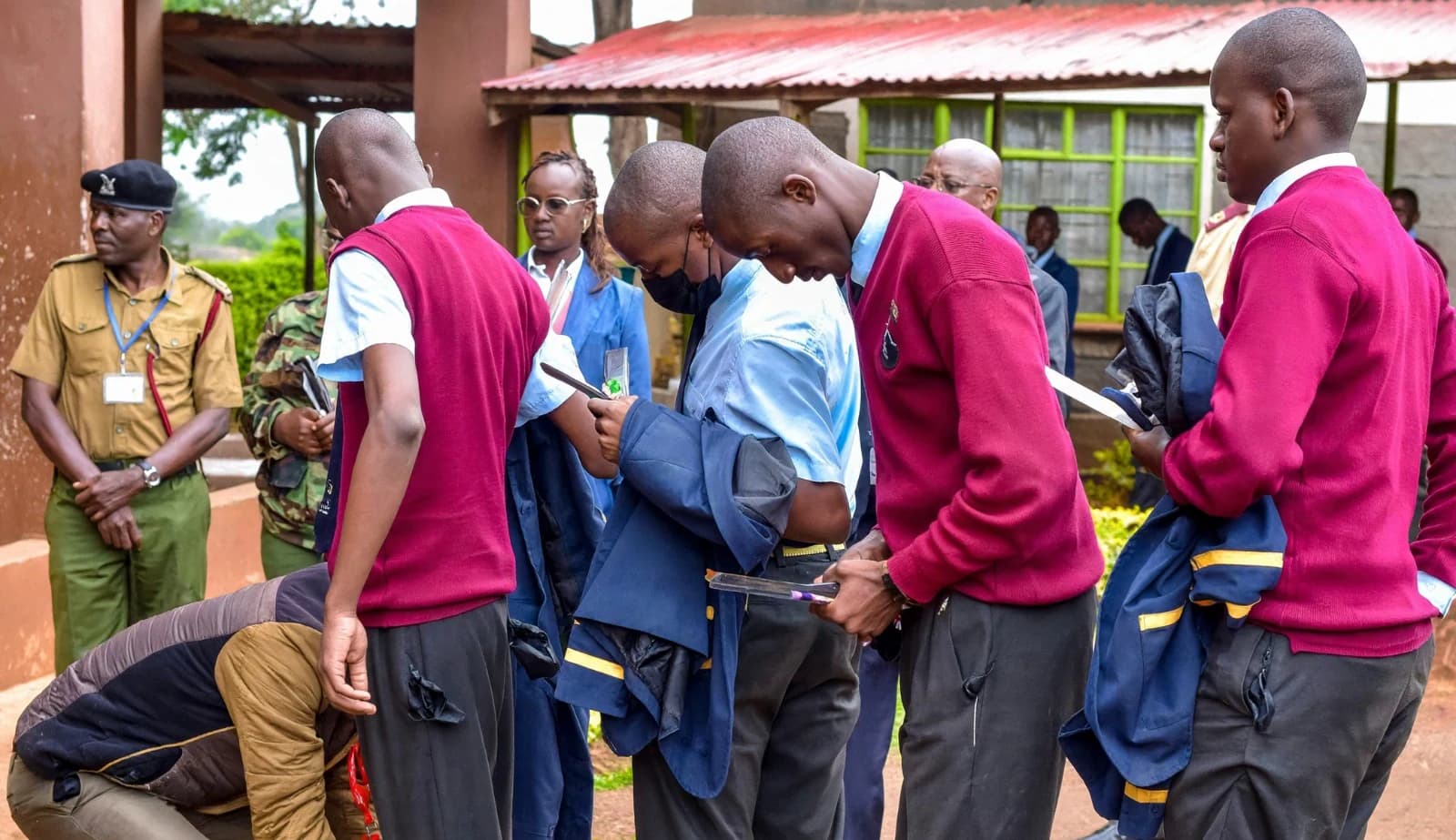


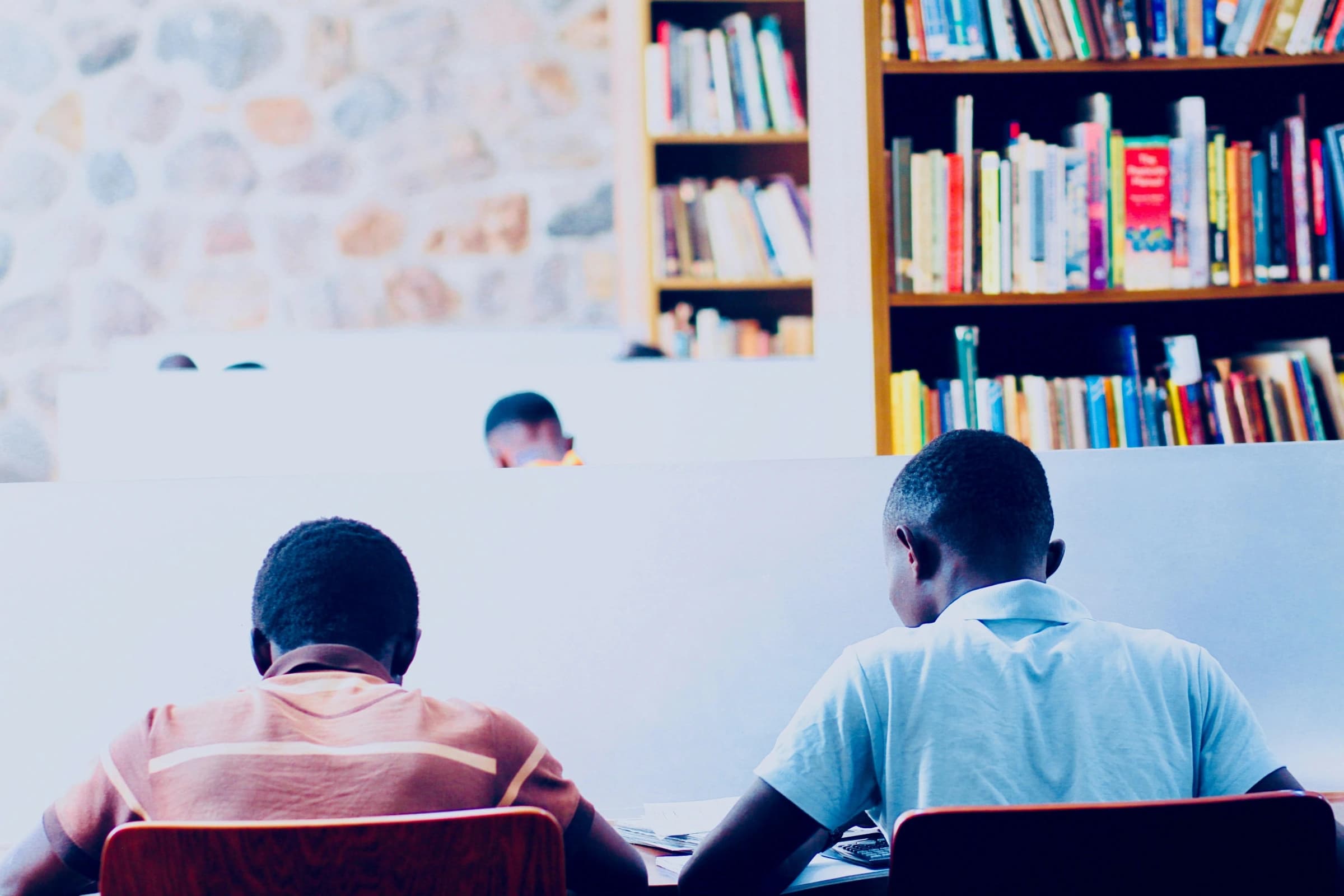


The success of Competency-Based Education should be measured by how well it identifies strengths, addresses learning difficulties and gives every child a chance to thrive, not by assessment scores alone.
No child should be written off because of poor academic performance. Every learner has unique abilities, interests and potential that may not immediately show in classroom assessments. Some children need additional time, specialised support or alternative teaching approaches to grasp concepts, while others excel in practical activities, creativity, sports, technology or leadership.
Education must therefore go beyond ranking learners and help each child discover their strengths, overcome challenges and develop the competencies needed for a fulfilling future. As Kenya implements Competency-Based Education (CBE), the country must ensure that its promise of learner-centred and inclusive education translates into meaningful support for children across different backgrounds, abilities and learning environments.
CBE must look beyond grades
CBE provides an opportunity to recognise what learners know, understand and can demonstrate through practical application. Its emphasis on critical thinking, creativity, communication, collaboration and problem-solving can help schools appreciate abilities that conventional examination-focused approaches may overlook.
A learner who struggles with mathematics or languages may demonstrate exceptional talent in agriculture, music, sports, creative arts, craftsmanship or technology. Another may simply need more time and guidance before mastering a particular concept. Such differences should not become grounds for labelling children as failures.
Recognising individual abilities does not mean lowering academic standards or ignoring poor performance. It means using assessment results to identify learning gaps, provide appropriate interventions and help every learner make progress. The objective should be to maintain high expectations while ensuring that children receive the support necessary to achieve them.
Poor performance should trigger intervention
When a learner performs poorly, teachers and parents should investigate the underlying challenges rather than immediately conclude that the child lacks ability. Learning difficulties may arise from gaps in foundational knowledge, irregular attendance, language barriers, inadequate learning materials, disabilities or teaching approaches that do not adequately address individual needs.
Teachers should provide constructive feedback, organise remedial instruction, monitor progress and adjust teaching strategies where necessary. Learners who have not mastered particular competencies should receive further opportunities to practise and demonstrate improvement. Assessment under CBE should serve as a tool for improving learning, not a permanent label that restricts a child's future.
Schools must also ensure that learners with disabilities and additional learning needs receive appropriate accommodations, accessible facilities and specialised assistance. No child should be humiliated, neglected or denied an opportunity to progress simply because they learn differently or require more time.
Teachers and parents must work together
The success of CBE depends significantly on cooperation between teachers, parents, school administrators and education policymakers. Teachers need adequate learning materials, manageable workloads, suitable facilities and professional support to identify individual learning needs and implement learner-centred instruction effectively.
Parents, meanwhile, should provide encouragement, establish supportive learning routines and maintain communication with teachers. A child who brings home disappointing results needs guidance and reassurance, not insults, rejection or constant comparisons with siblings and classmates. Such negative treatment can undermine confidence and discourage learners from participating actively in their education.
Children should instead be encouraged to understand that mistakes are part of learning and that improvement comes through effort, guidance and perseverance. Schools and families must work together to identify challenges early and prevent temporary academic difficulties from becoming long-term barriers to achievement.
CBE pathways must expand opportunities
As learners progress through CBE, guidance and counselling should help them understand the available pathways and make informed decisions based on their demonstrated competencies, interests and aspirations. Academic, technical, vocational, creative and other professional pathways should be recognised as valuable routes towards personal development and national progress.
No pathway should be portrayed as a destination for children who have failed. Every learner deserves dignity and the opportunity to pursue a suitable route towards their ambitions. Schools must provide accurate information to learners and parents while ensuring that pathway choices are not influenced by stereotypes, prejudice or premature judgments about a child's ability.
A child's present performance does not determine the limits of their future. With appropriate teaching, encouragement and opportunities, learners can overcome difficulties, discover their talents and develop skills that contribute to society. The success of CBE should therefore be reflected not only in assessment outcomes but also in how effectively schools identify potential, support struggling learners and enable children to develop their competencies.
Kenya needs an education system that celebrates excellence without humiliating others, maintains standards without abandoning struggling learners and recognises that children develop at different rates. No child should be left behind because of poor grades. CBE must unlock every child's potential, because no learner's future should be determined by a single assessment or temporary setback.

Reader Discussion (0)
Sign in to comment