






In the architecture of a successful school, much attention is often given to the principal as the chief administrator and the deputy principals as the immediate assistants in leadership. Yet, beneath this visible layer of authority lies a critical professional whose influence quietly determines whether a school thrives or struggles—the senior teacher.
This role, often underestimated and sometimes misunderstood, is in reality the operational heartbeat of teaching and learning within the school. The senior teacher is not merely an experienced classroom practitioner; they are a mentor, a coordinator, a quality controller, and a stabilizing force that holds the academic fabric of the institution together.
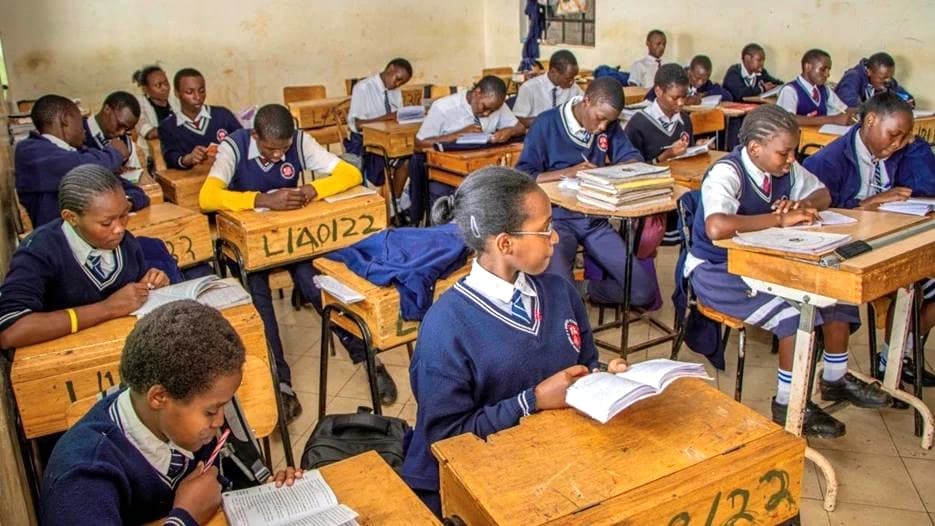
At its core, the senior teacher’s role begins with instructional leadership. This is the responsibility of ensuring that teaching and learning are not left to chance but are guided, structured, and continuously improved. A senior teacher supports colleagues in the preparation of schemes of work, lesson plans, and teaching resources, ensuring that curriculum delivery is both systematic and effective.
Unlike a supervisor who only inspects, the senior teacher engages actively in the process, often demonstrating how lessons can be delivered more effectively, how learners can be engaged meaningfully, and how challenging topics can be simplified for better understanding. In this way, they become a living model of good teaching practice, influencing others through example rather than authority alone.
ALSO READ:
https://educationnews.co.ke/tsc-online-leave-application-offers-a-simple-path-to-approval-and-better-teacher-management/
Closely tied to this instructional role is mentorship. Schools are dynamic environments where teachers come with different levels of experience, confidence, and professional exposure. Newly recruited teachers, in particular, often face difficulties in classroom management, lesson delivery, and learner engagement. The senior teacher steps into this space as a guide, offering practical advice, emotional support, and professional direction.
This mentorship is not theoretical; it is grounded in day-to-day school realities. It involves classroom visits, informal discussions, shared planning sessions, and constructive feedback. Through this continuous support system, the senior teacher helps to build a stronger, more confident teaching staff capable of meeting the demands of modern education.
Another critical function of the senior teacher is curriculum implementation and supervision. A curriculum on paper is only as effective as its execution in the classroom. The senior teacher ensures that what has been designed at national or institutional level is faithfully translated into actual teaching practice.
They monitor syllabus coverage, check the alignment of lessons with learning outcomes, and ensure that no learner is left behind due to gaps in instruction. When weaknesses are identified, whether in pacing, content delivery, or learner comprehension, the senior teacher recommends corrective strategies such as remedial teaching, peer collaboration, or reorganization of teaching approaches. This makes them an essential link between curriculum design and classroom reality.
Beyond curriculum matters, the senior teacher plays a major role in academic monitoring and performance analysis. Schools are increasingly data-driven institutions, and learner performance must be tracked, analyzed, and improved continuously. The senior teacher examines test results, identifies trends, and pinpoints areas of academic weakness.
If a class consistently underperforms in a particular subject or topic, the senior teacher works with the teacher concerned to diagnose the problem and implement targeted interventions. These may include extra coaching sessions, revision programs, or adjusted teaching strategies. Through this process, the senior teacher ensures that academic standards do not stagnate but are constantly pushed upward.
ALSO READ:
https://educationnews.co.ke/when-the-referee-cant-blow-the-whistle-who-protects-parents-from-school-fee-exploitation/
Discipline and learner welfare also fall within the influence of the senior teacher. While ultimate disciplinary authority may rest with the administration, the senior teacher is often the first line of intervention in managing minor disciplinary issues. They help maintain order within the school by guiding learners on acceptable behavior, mediating conflicts, and reinforcing school rules and values.
Their close interaction with both learners and teachers places them in a strategic position to detect early signs of indiscipline or emotional distress among students. In many cases, timely intervention by a senior teacher prevents small issues from escalating into serious disciplinary cases, thereby preserving harmony within the school environment.
In addition, the senior teacher contributes significantly to co-curricular development. Education is not confined to academic performance alone; it extends to talent development, leadership training, and character building. Senior teachers often supervise clubs, sports activities, academic competitions, and cultural programs.
Through this involvement, they help learners discover and nurture their talents while promoting teamwork, discipline, and creativity. These activities also strengthen school identity and unity, making education a more holistic experience.
Communication is another vital area where the senior teacher plays a bridging role. Schools operate through layered structures of communication, and without effective coordination, misunderstandings and inefficiencies can easily arise. The senior teacher acts as a liaison between the teaching staff and school administration. Instructions from the principal or deputy principals are often channeled through senior teachers to ensure clarity and proper implementation.
Similarly, concerns from teachers—whether about workload, resources, or learner challenges—are communicated upward through the same channel. This bidirectional flow of communication ensures that the school functions as a coordinated unit rather than a fragmented system.
Record keeping and reporting also fall under the senior teacher’s responsibilities. Accurate academic records are essential for planning, accountability, and decision-making. Senior teachers assist in compiling performance reports, tracking attendance trends, and maintaining documentation related to academic progress.
ALSO READ: Itigo girls set to host multi-sport extravaganza in Nandi
These records form the basis for school evaluations, parent engagement, and policy adjustments. Without accurate data, schools risk making decisions based on assumptions rather than evidence, and the senior teacher plays a key role in preventing this.
Equally important is the senior teacher’s responsibility in maintaining professional ethics and setting the tone for discipline among staff. Because of their experience and position, they are naturally looked upon as role models by both teachers and learners. Punctuality, commitment, fairness, and integrity are expected at all times. Any deviation from these values can undermine their authority and disrupt school culture. Conversely, when they demonstrate professionalism consistently, they strengthen the ethical foundation of the entire institution.
In many ways, the senior teacher is the quiet force behind school success. They are not always in the spotlight, yet their influence runs through every aspect of school life—from classroom instruction to discipline, from academic performance to staff morale. They ensure continuity between leadership decisions and classroom execution, transforming policies into practical outcomes. Without effective senior teachers, schools risk becoming disorganized, inconsistent, and academically weak.
Ultimately, the senior teacher represents stability, guidance, and professional excellence. They are the bridge between administration and classroom practice, the mentor to struggling teachers, the guide to learners, and the guardian of academic standards.
Their role demands patience, wisdom, and a deep commitment to education. When well supported and properly utilized, senior teachers can transform schools into high-performing institutions where both teachers and learners thrive.
In the evolving landscape of education, where expectations continue to rise and challenges become more complex, the importance of the senior teacher cannot be overstated. They are not just participants in the education system—they are one of its most essential pillars.
By Hillary Muhalya
You can also follow our social media pages on Twitter: Education News KE and Facebook: Education News Newspaper for timely updates.
>>> Click here to stay up-to-date with trending regional stories
>>> Click here to read more informed opinions on the country’s education landscape


Reader Discussion (0)
Sign in to comment