- Teaching practice should never be reduced to a simple checklist for graduation. It must be embraced as a formative journey, a season to absorb lessons, grow in skill and character, and rise to the highest ideals of the profession
- Teacher training institutions need to update their preparation programs. While micro‑teaching remains a helpful exercise, it cannot fully mirror the demanding realities of large classrooms, diverse learner needs, parent engagement, or unexpected school challenges.
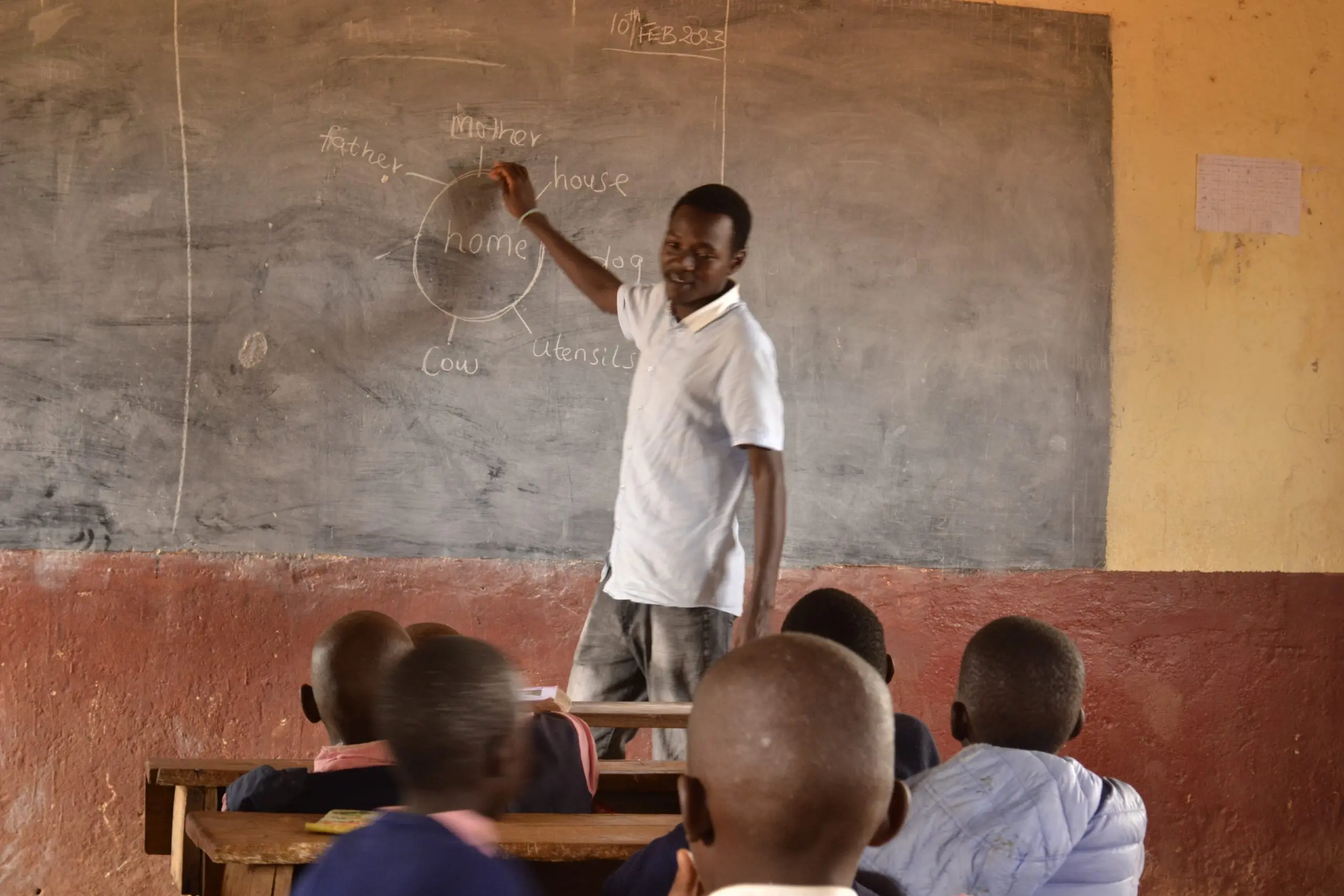
Every year, schools across Kenya open their gates to hundreds of student teachers embarking on their teaching practice. These young educators arrive with immense enthusiasm, fresh perspectives, and the hopeful ambition of translating theoretical concepts into meaningful classroom reality.
Teaching practice is far more than a mandatory graduation requirement; it serves as the vital bridge connecting academic training with actual professional execution. It is within this real-world laboratory that future teachers build their confidence, sharpen their instructional skills, and begin to embrace the noble responsibility of shaping human lives.
However, the contemporary landscape into which these trainees step is evolving at an unprecedented speed. The digital revolution, widespread social media, artificial intelligence, and instant internet access have fundamentally transformed how learners think, communicate, and digest information. While these technological advancements offer remarkable educational opportunities, they also present complex challenges that can influence the teaching practice experience in profound ways.
On the positive side, digital connectivity has democratized access to high-quality educational resources, sparked instructional creativity, and enabled student teachers to design deeply engaging lesson plans. Global best practices, innovative teaching strategies, and professional networks are now available at the click of a button. Yet, every technological opportunity carries an equal professional responsibility. The same internet that offers vast repositories of knowledge can also invite cognitive laziness, promote plagiarism, or encourage unprofessional shortcuts.
The temptation to rely excessively on artificial intelligence, copy lesson plans without understanding their pedagogical foundation, or waste valuable preparation time on social media can severely stunt professional growth. Some student teachers also struggle to maintain appropriate digital etiquette and professional boundaries in their virtual interactions with learners. These emerging dynamics demand deliberate mentorship and robust ethical guidance.
ALSO READ:
The secret behind every high-performing classroom: It’s not strict rules—it’s great teaching
As an active educator, I have observed a concerning trend within our school corridors. Some student teachers join their designated departments without fully embracing the opportunity to learn from veteran educators. Rather than asking probing questions, observing seasoned colleagues in action, or actively seeking constructive criticism, a few choose to work in isolation, operating under the false assumption that their college coursework is entirely sufficient.
This defensive posture severely limits their professional trajectory. Teaching practice must never be treated as a mere checklist to satisfy university requirements. Instead, it must be embraced as a sacred season to learn from, build upon, grow into, and live up to the highest standards of the teaching profession. True competence is forged through professional humility, intellectual curiosity, deep self reflection, and an unyielding willingness to improve.
This developmental transition is heavily aligned with established educational philosophy. The legendary philosopher John Dewey famously observed: “Education is not preparation for life; education is life itself.”
His words remind us that teaching practice is not a trial run detached from reality; it is already an active segment of the actual educational journey where values, habits, and professional identities are permanently cast. Similarly, psychologist Albert Bandura demonstrated through his Social Learning Theory that human beings learn primarily by observing others. This underscores the critical importance of positive role models in the school environment. Student teachers do not develop their pedagogical identity solely through academic lectures, but by watching experienced teachers demonstrate grace, patience, structural fairness, and daily commitment.
The Power of Mentorship and Institutional Alignment
Veteran teachers therefore bear an indispensable responsibility in nurturing these incoming educators. True mentorship goes far beyond simply handing over classes or checking the formatting of lesson plans. Effective mentors actively welcome student teachers into the professional family, model exemplary classroom leadership, offer honest evaluations, and gradually build the trainee’s confidence. They must construct a safe environment where questions are celebrated and instructional mistakes are treated as rich opportunities for growth rather than sources of professional shame.
Similarly, school administrators occupy a critical front line in this developmental process. Head teachers, deputy principals, directors of studies, and heads of department must ensure that every student teacher receives a comprehensive induction into the school’s unique culture, operational policies, and behavioral expectations. Clear, unequivocal guidance regarding student discipline, child safety, confidentiality, and professional boundaries must be established from day one. Continuous, supportive supervision ensures that these young professionals can navigate their initial challenges and truly flourish.
ALSO READ:
Kaimosi Friends National Poly drives TVET growth through student mentorship and stakeholder forums
To match these school-level efforts, teacher training colleges and universities must intentionally modernise their preparatory curricula. While micro-teaching exercises remain useful, they can never fully replicate the intense realities of managing large classrooms, handling diverse student needs, communicating with parents, or resolving unexpected school crises. Training institutions must expose trainees to more realistic classroom simulations and provide practical courses in emotional intelligence, conflict resolution, digital citizenship, and child safeguarding.
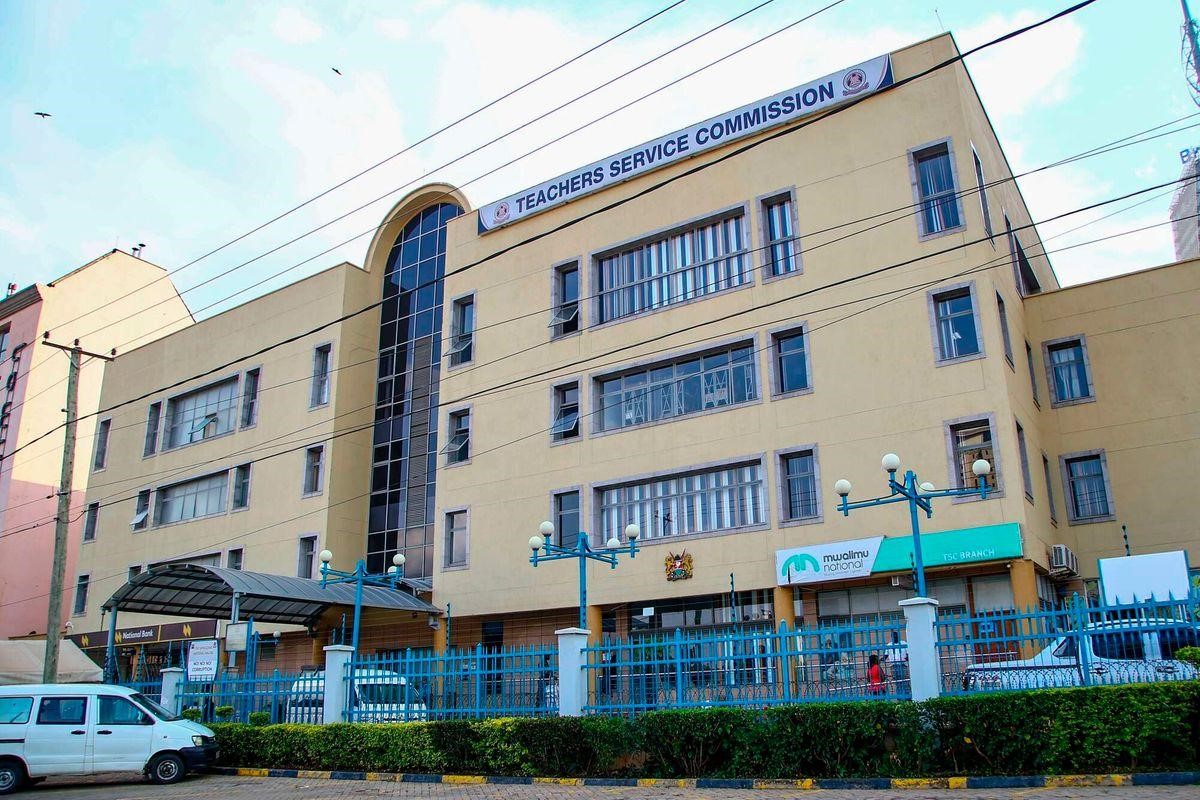
Furthermore, familiarising student teachers with the Teachers Service Commission Code of Conduct and Ethics is paramount. Professional accountability begins long before formal employment. A trainee’s attire, language, online presence, punctuality, and boundaries must always reflect the absolute dignity of the teaching profession.
Ultimately, the most profound lesson any student teacher can carry into the classroom is that pedagogical knowledge alone is insufficient. Character remains the rock upon which professional excellence is built. Competence may earn an educator temporary respect, but it is integrity that sustains a lasting career. Learners may eventually forget the specific details of a lesson, but they will never forget the character of the teacher who inspired them. The visionary educational author Parker J. Palmer beautifully captured this truth when he wrote: “We teach who we are.”
This observation cuts to the heart of our calling. The quality of our national education system depends not just on the rigour of our curriculum, but on the personal values, moral fibre, and internal integrity of the educators standing before our children.
As Kenya continues to reform and refine its educational architecture, investing in our student teachers is a direct investment in our national future. If we mentor them with care, safeguard their character, and equip them with both technical competence and deep compassion, they will do far more than teach lessons; they will transform communities and build a stronger nation. Scripture reinforces this vital duty in Proverbs chapter 22, verse 6: “Train up a child in the way he should go, and when he is old he will not depart from it.”
The moral and intellectual quality of those we entrust with our children will inevitably dictate the future of our society. By preparing exceptional, principled teachers today, we secure a brighter, more resilient tomorrow for all of Kenya.
By Astiba Kebongo
You can also follow our social media pages on Twitter: Education News KE and Facebook: Education News Newspaper for timely updates.
>>> Click here to stay up-to-date with trending regional stories
>>> Click here to read more informed opinions on the country’s education landscape