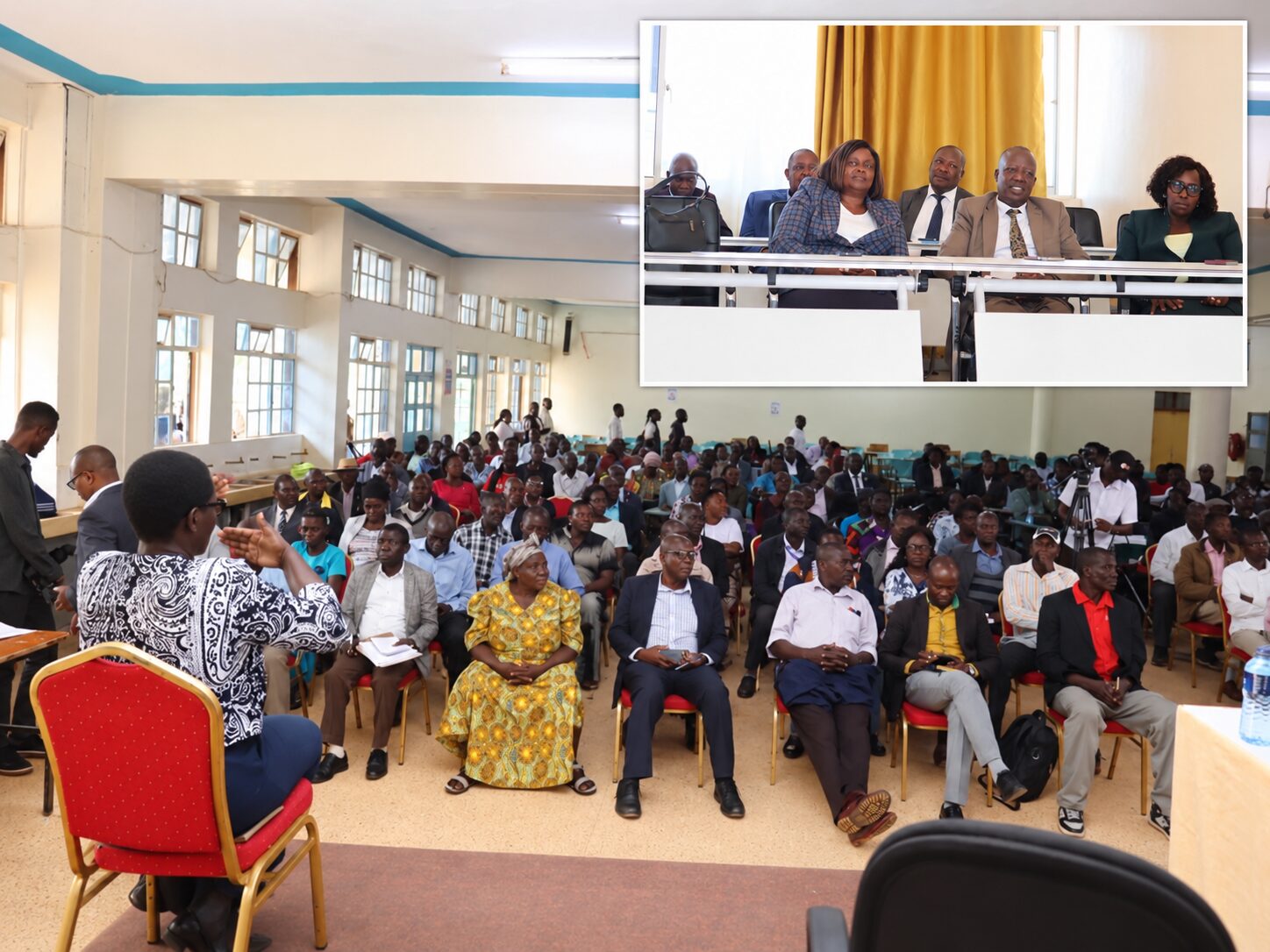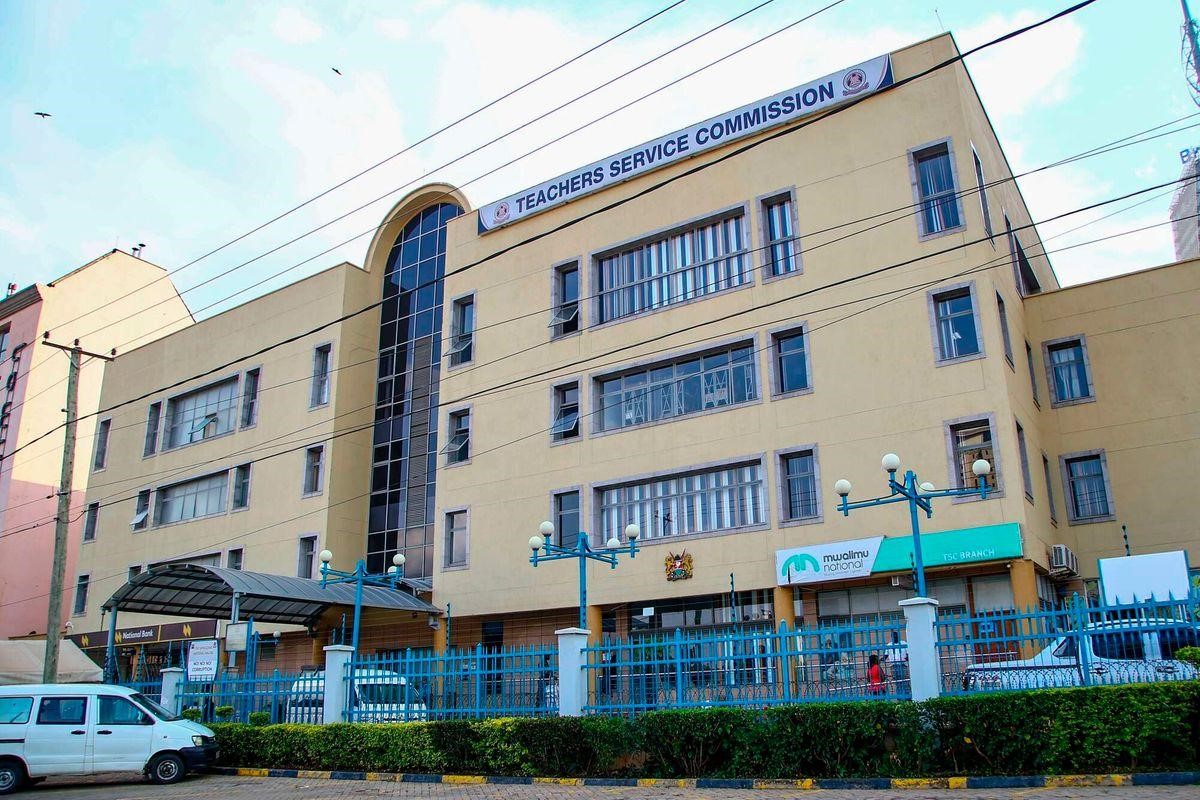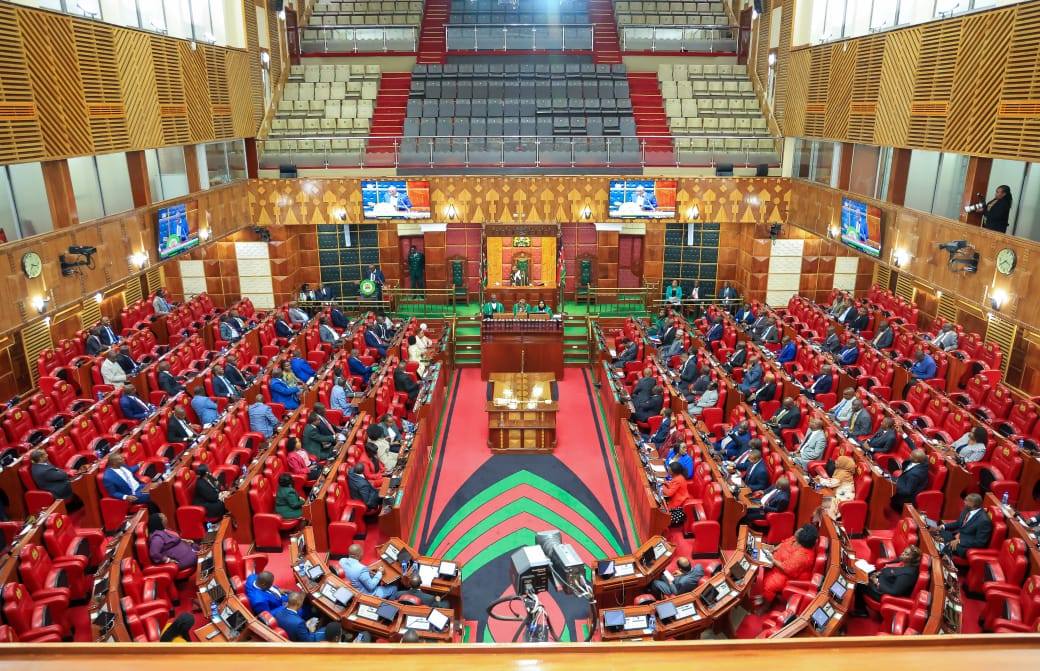
- Public secondary school heads will, for the first time, appear before MPs to account for billions in capitation and development funds.
- The Public Investments Committee will interrogate issues flagged by the Auditor‑General, including unsupported expenditure, procurement irregularities, pending bills, and weak internal controls.
- The hearings aim to reinforce compliance with the Public Finance Management Act, ensuring funds translate into improved infrastructure, teaching materials, and services for learners.
Public secondary school principals across Kenya are bracing for unprecedented parliamentary scrutiny after the National Assembly announced plans to summon school heads to personally account for their management of billions of shillings in public funds, marking the first time principals will appear before a parliamentary committee over how government resources entrusted to their institutions have been handled.
The move follows the submission of Auditor-General’s reports examining the financial records of public secondary schools, with MPs seeking explanations on expenditure, procurement processes, asset management and compliance with public finance laws.
The National Assembly’s Public Investments Committee on Governance and Education has confirmed that the exercise will begin with principals from Category C1 schools, before being extended to Category C2 (Extra County), Category C3 (County) and Category C4 (Day) secondary schools, a phased rollout that will eventually bring thousands of learning institutions under parliamentary oversight.
Public secondary schools receive billions of shillings annually through capitation and development allocations, making the prudent use of these funds a matter of national interest. According to the committee, the hearings are designed to ensure that every shilling allocated to schools is spent as intended and for the direct benefit of learners.
MPs are expected to interrogate specific audit concerns flagged in individual schools, including expenditure lacking supporting documentation, pending bills, procurement irregularities, delayed implementation of projects, weak internal controls and inaccurate financial reporting. Principals will be required to provide satisfactory explanations, backed by supporting evidence where necessary.
The committee has clarified that the exercise is not intended to punish school administrators, but rather to reinforce financial governance and compliance with the Public Finance Management Act. Schools that have maintained proper records and met audit requirements are expected to use the hearings as an opportunity to demonstrate sound management before Parliament.
ALSO READ:
Universities begin issuing admission letters to KUCCPS-placed students
The scrutiny comes at a time when the government continues to channel substantial resources into the education sector through capitation, infrastructure development, teacher recruitment, digital learning programmes and the rollout of Competency-Based Education (CBE), a scale of investment that education experts say has fuelled growing demands for stronger financial accountability in schools.
Parents, taxpayers and education stakeholders are expected to closely follow the proceedings, which could shape future policy on financial management in schools. The outcomes may also inform broader reforms targeting internal audit systems, procurement procedures, financial reporting standards and the capacity of school administrators to manage public finances.
Ultimately, the hearings are expected to reinforce the principle that principals, as custodians of public resources, bear direct responsibility for ensuring that funds allocated to their schools translate into improved infrastructure, quality teaching and learning materials, and better services for learners.
The parliamentary hearings are expected to begin in the coming weeks, with principals required to appear before the Public Investments Committee on Governance and Education according to a schedule to be communicated by the National Assembly.
By Hillary Muhalya
You can also follow our social media pages on Twitter: Education News KE and Facebook: Education News Newspaper for timely updates.
>>> Click here to stay up-to-date with trending regional stories
>>> Click here to read more informed opinions on the country’s education landscape