- The writer has called for a comprehensive, whole-system review of Kenya’s education sector rather than isolated reforms.
- The writer argues that ECDE, primary, JSS, TVET and university financing, teacher policy and assessment must be reviewed as one connected continuum.
- Muhalya urges that funding follow the learner from ECDE to university, warning that fragmented reforms risk succeeding individually while failing collectively.
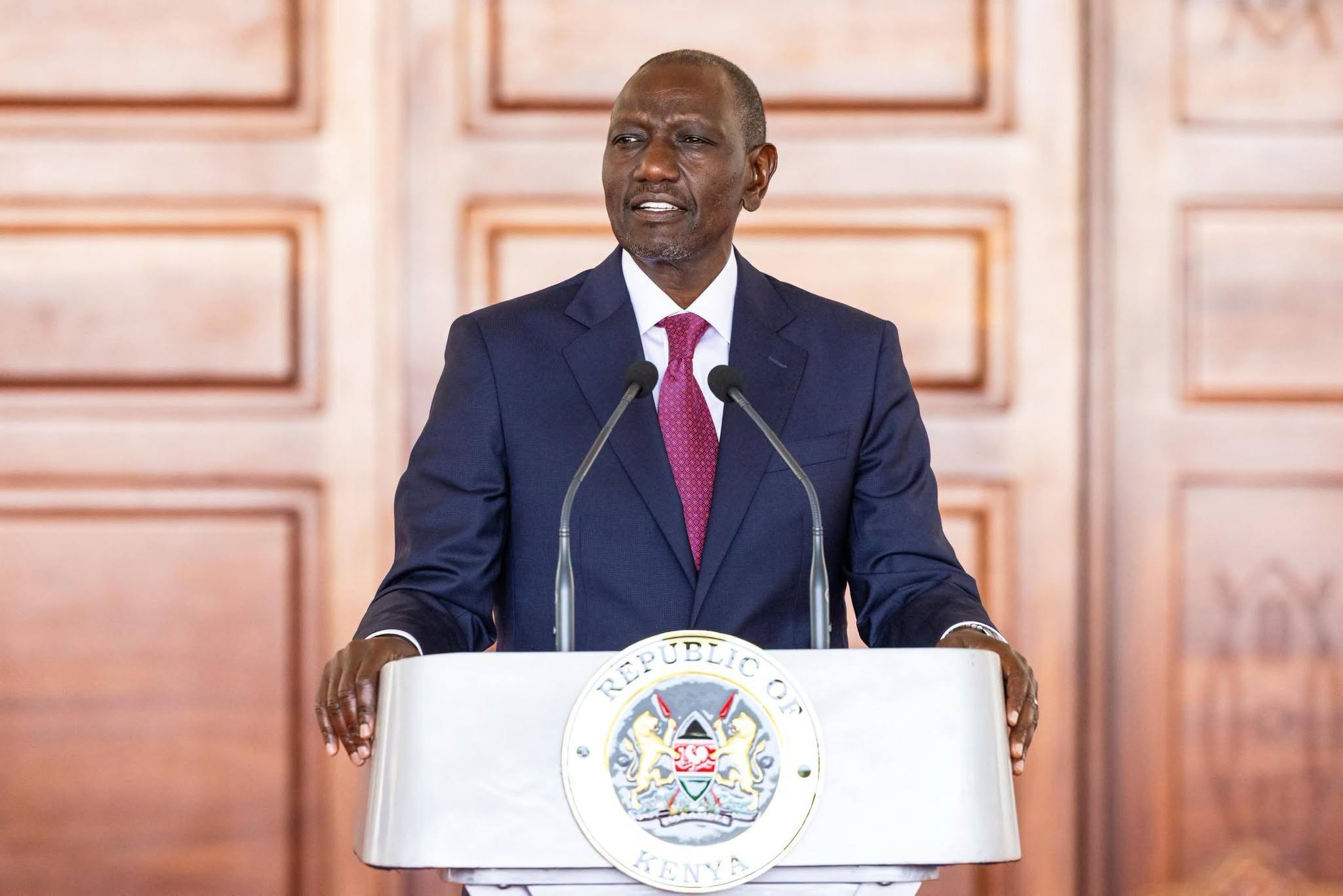
Kenya’s education sector has reached a point where piecemeal interventions are no longer sufficient. The country does not simply need another curriculum review, another teacher recruitment exercise, another student-financing model or another restructuring of education agencies. What it needs is a comprehensive, evidence-driven review of the entire education system, from Early Childhood Development Education (ECDE) to university, technical training, research, innovation and lifelong learning. That is the real opportunity presented by the education reset under President William Ruto.
The debate should move beyond individual reforms and isolated institutional problems to examine whether the education system as a whole is still adequately designed, staffed, financed and governed to meet the needs of today’s learner and tomorrow’s economy. The central question should no longer be what should be changed next, but what kind of education system Kenya needs and what it will take to make the entire system work.
Education is a continuous journey. A child begins in ECDE, progresses through primary education, moves into Junior Secondary School and senior school, and eventually enters teacher training, TVET, university or another form of post-secondary education, before learning continues through research, professional development, reskilling and lifelong learning. Yet Kenya often manages these stages as separate compartments, an approach that creates gaps: transitions between levels become a problem, teacher preparation does not always correspond with classroom realities, curriculum changes create new demands without equivalent infrastructure, and universities receive growing numbers of learners while struggling financially.
ALSO READ: KNEC confirms payment of contracted 2025 exam officials, explains why some are yet to receive dues
Any serious review must begin at the earliest stage. ECDE is not merely preparation for “real school” but where children begin developing the cognitive, social, emotional, linguistic and foundational skills upon which later education depends. At the primary level, the review should go beyond enrolment figures to examine whether schools are delivering foundational literacy, numeracy and problem-solving skills — access to school is important, but access without meaningful learning is not enough.
The transition into JSS and senior school represents one of the most consequential changes in Kenya’s education architecture, and the review should examine whether schools have the teachers, laboratories, workshops and materials required to deliver the intended curriculum without creating two different standards of learning depending on geography or household income.
No education system can rise above the quality of its teachers. A wholesome review must examine the entire teacher lifecycle — training, recruitment, deployment, professional development, workload, remuneration, promotion, welfare and retirement — alongside whether assessment is truly aligned with the competencies the curriculum seeks to develop.
No wholesome review can avoid the question of money. Kenya needs to determine the actual cost of delivering quality education at every level, ensuring capitation, infrastructure financing, teacher funding and student assistance are adequate and predictable. University funding deserves particular urgency, since Kenya needs institutions that are financially stable and capable of producing knowledge rather than perpetually consumed by financial crises, while TVET must move from being treated as an alternative to becoming a central pillar of national skills development.
ALSO READ: KUSU SEKU pushes for staff promotions, better working conditions as branch marks fifth AGM
Technology is rapidly changing education, but Kenya must avoid equating digitisation with transformation — a digital system that benefits only well-connected institutions would deepen rather than reduce inequality. Equity must run through the entire system, addressing disparities between rural and urban schools, marginalised and well-resourced counties, and learners with disabilities, so that quality becomes a right rather than a geographical privilege. Education governance also needs scrutiny, with reforms monitored after implementation, since many good policies have weakened not because the ideas were wrong but because financing and accountability failed to match ambition.
Ruto’s education reset should therefore become more than a collection of legislative and administrative changes — it should be the most comprehensive review of Kenya’s education system in a generation, evidence-based and inclusive of teachers, parents, learners and institutions, examining what actually happens inside classrooms rather than merely what policy documents say. Kenya does not need to keep changing one part of education while leaving another behind; it needs to step back, examine the whole system, and rebuild the links between its parts. That is the education reset Kenya should pursue — not another patch, but a wholesome review, a connected system, adequate funding, and an education journey that works from ECDE to university and beyond.
By Hillary Muhalya
You can also follow our social media pages on Twitter: Education News KE and Facebook: Education News Newspaper for timely updates.
>>> Click here to stay up-to-date with trending regional stories
>>> Click here to read more informed opinions on the country’s education landscape
>>> Click here to stay ahead with the latest national news.