- Stakeholders in Kisii and Kericho want clearer structures for Junior Secondary School management and governance.
- KUPPET has pushed for autonomous JSS institutions, while school heads have backed the comprehensive model.
- Funding, teacher representation, parental participation and support for learners with special needs also dominated submissions.
The residents of Kisii and Kericho counties have called for clarity on the proposed Junior Secondary School (JSS) and comprehensive school models as the National Assembly Departmental Committee on Education continued public participation on the proposed Education Reform Bills.
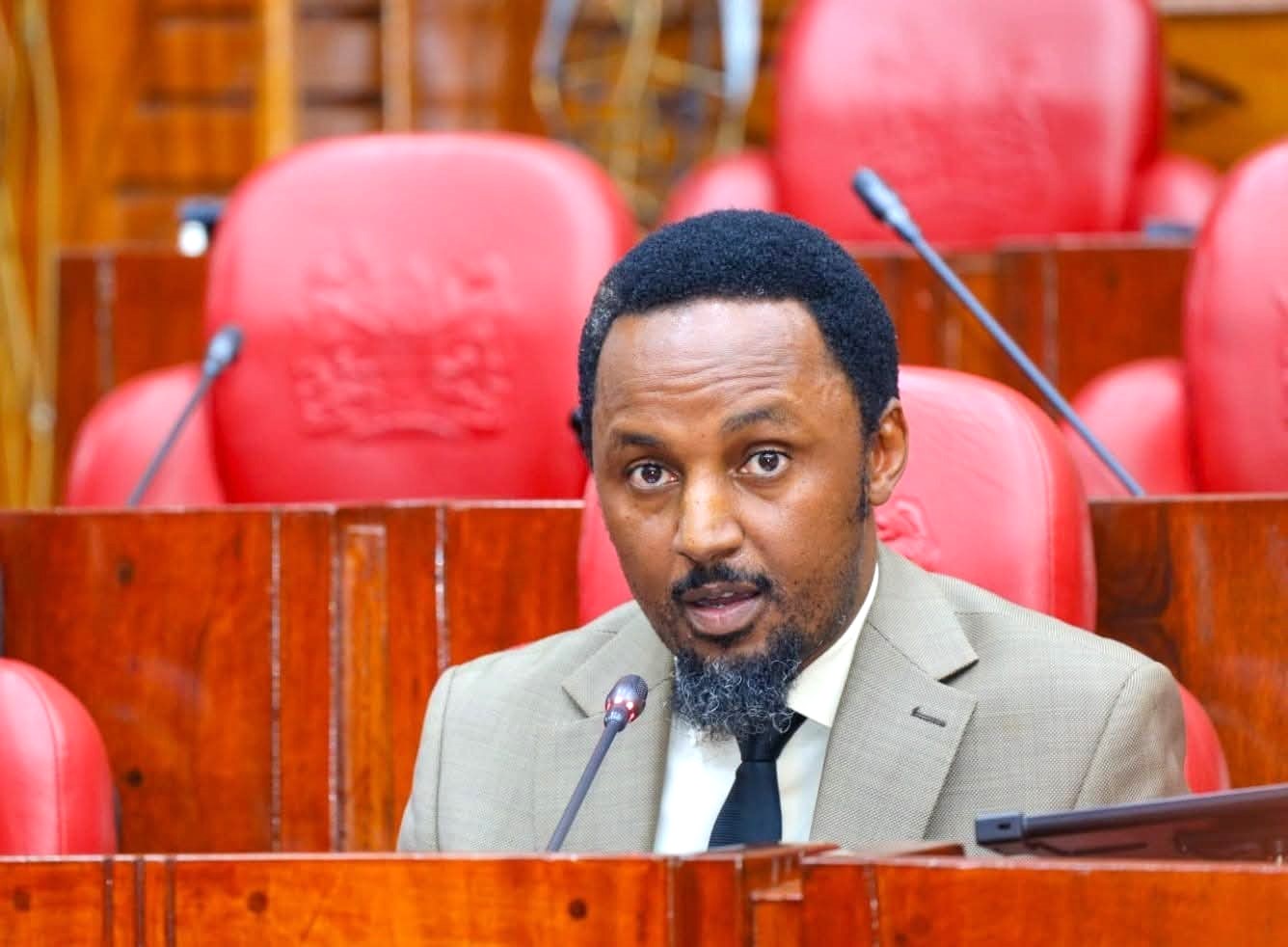
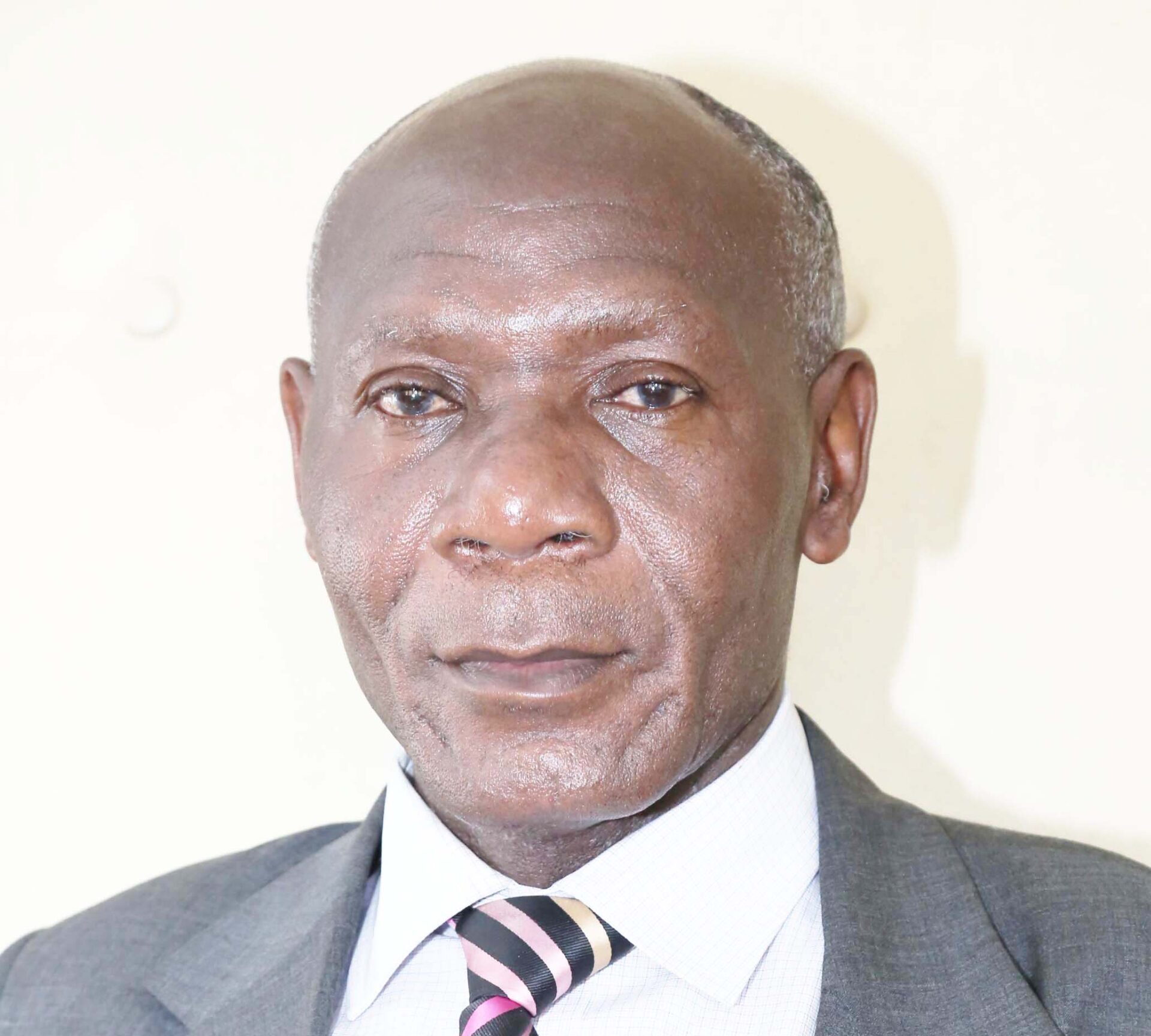
The committee’s delegation, led by Tinderet MP Julius Melly, received views from stakeholders in the two counties on the proposed reforms arising from the Report of the Presidential Working Party on Education Reform.
The hearings form part of the nationwide public participation exercise on six education reform Bills running from September 14 to 25, 2026. Similar concerns over JSS governance have also emerged in other counties, with KUPPET pushing for autonomous Junior Schools while other stakeholders support the comprehensive school structure.
In Kisii County, the Kenya Union of Post Primary Education Teachers (KUPPET) called for JSS to be made autonomous with distinct governance structures, while the Kenya Primary School Heads Association (KEPSHA) supported the comprehensive school model, citing continuity, smoother learner transition, accountability and better utilisation of resources.
KUPPET also called for separate Boards of Management for different levels of education and urged the committee to retain teacher representation on the boards.
The union further opposed provisions prohibiting teachers from striking.
The debate over JSS autonomy has also reached Parliament, with the Senate previously considering a motion seeking an independent administrative and operational framework for Junior Secondary Schools.
The National Parents Association called for parental empowerment and engagement to be anchored in the Basic Education Bill, with a dedicated fund established to support parents’ associations.
Stakeholders also called for increased capitation for public schools and stronger support for learners with special needs.
CEMASTEA called for its role as an institution responsible for in-service teacher training to be anchored in law, while KEMI proposed its transition into the Kenya School of Education.
Kericho stakeholders echo governance concerns
In Kericho County, KUPPET similarly called for JSS to be recognised as an autonomous and distinct institution, noting that sharing infrastructure with primary schools should not mean that the institutions are merged.
“Sharing a compound does not mean institutions are merged,” KUPPET said, proposing a separate governance framework and principal for JSS.
KECSHA, however, called for the comprehensive school model to be strengthened, arguing that it provides continuity and better use of resources.
The disagreement mirrors the wider national debate over whether Junior Schools should continue operating under one management structure with primary schools or become separate institutions with their own leadership.
Stakeholders in Kericho also raised concerns over school financing, calling for increased capitation, timely disbursement of funds and stronger support for learners.
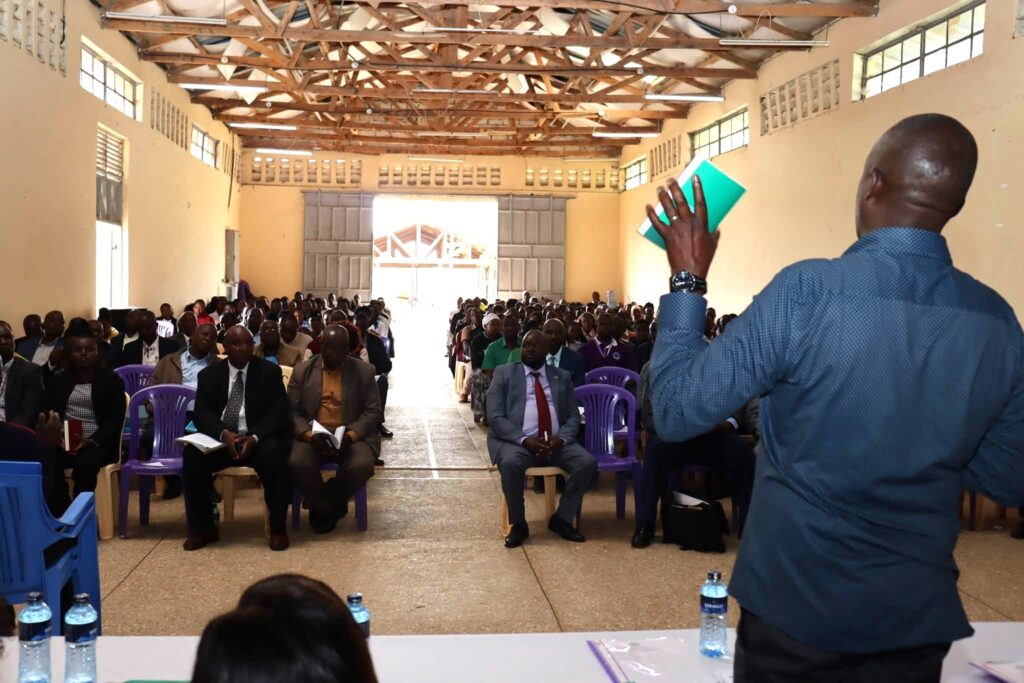
Kabianga University further proposed extending the grace period for repayment of student loans to three years.
The committee noted the concerns and recommendations raised by stakeholders and assured them that the views would be considered and captured in its report.
READ ALSO: Why Kenya must stop manufacturing certificates and start building capability
The submissions from Kisii and Kericho add to growing debate around governance, financing and institutional responsibilities as Parliament considers proposed reforms to Kenya’s education system.
By Our Reporter
Get more stories from our website: Education News
To write to us or offer feedback, you can reach us at: editor@educationnews.co.ke
You can also follow our social media pages on Twitter: Education News KE and Facebook: Education News Newspaper for timely updates.
>> Click here to stay up-to-date with trending regional stories