






- The PSC has defended Kenya’s transition to a contributory pension system, telling MPs the reform was built around officer choice rather than discrimination.
- Petitioners have raised concerns over pension commutation, delayed actuarial reviews and slow processing of retirement benefits before the Public Petitions Committee.
- The National Treasury has confirmed an ongoing Multi-Agency Task Team review of pension laws that could inform future amendments to the framework.
The Public Service Commission (PSC) has defended Kenya’s transition to a contributory pension system, telling MPs that the reform was structured to give eligible public officers a choice over their retirement arrangements rather than to create a discriminatory dual-pension architecture.
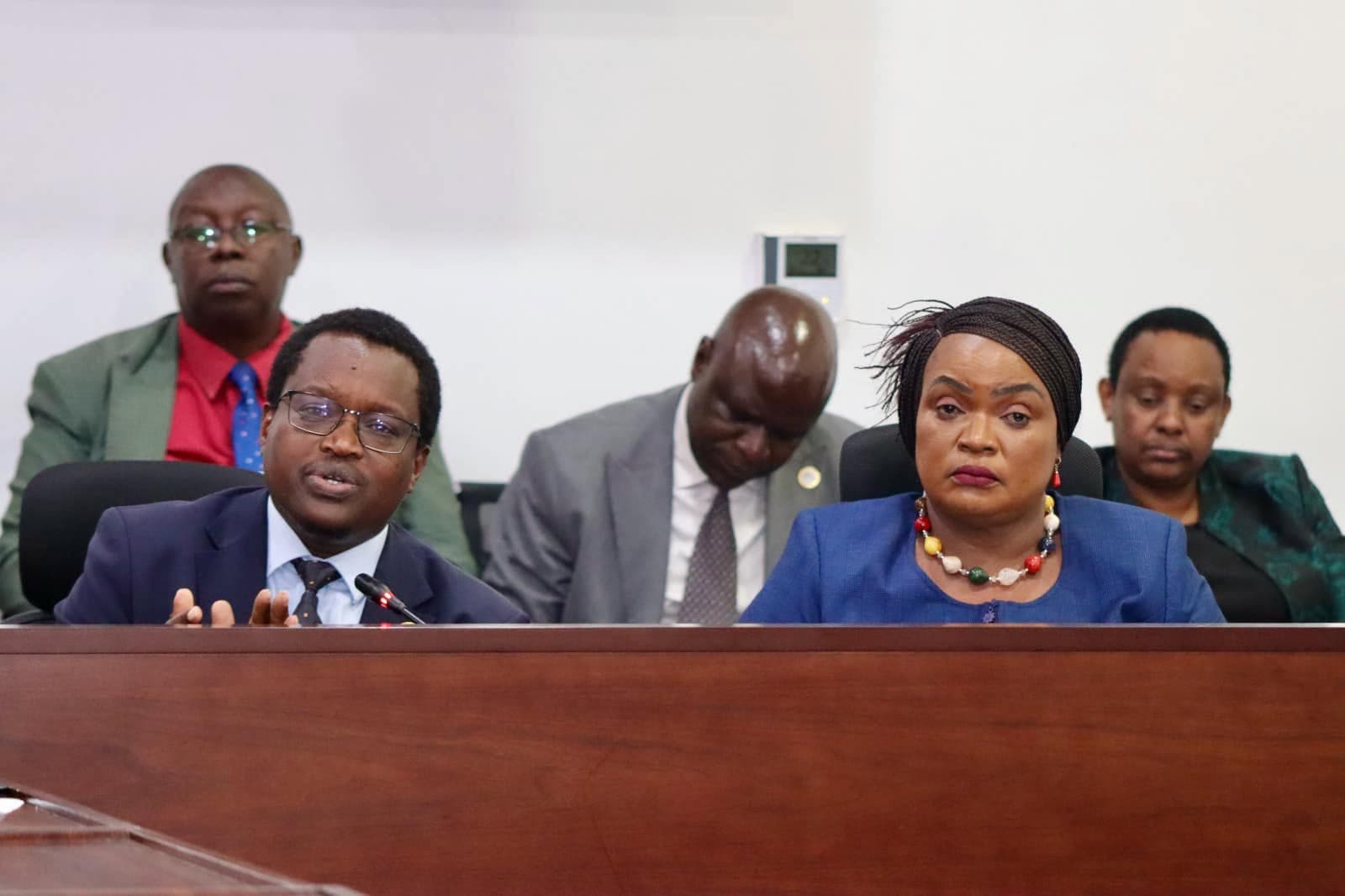
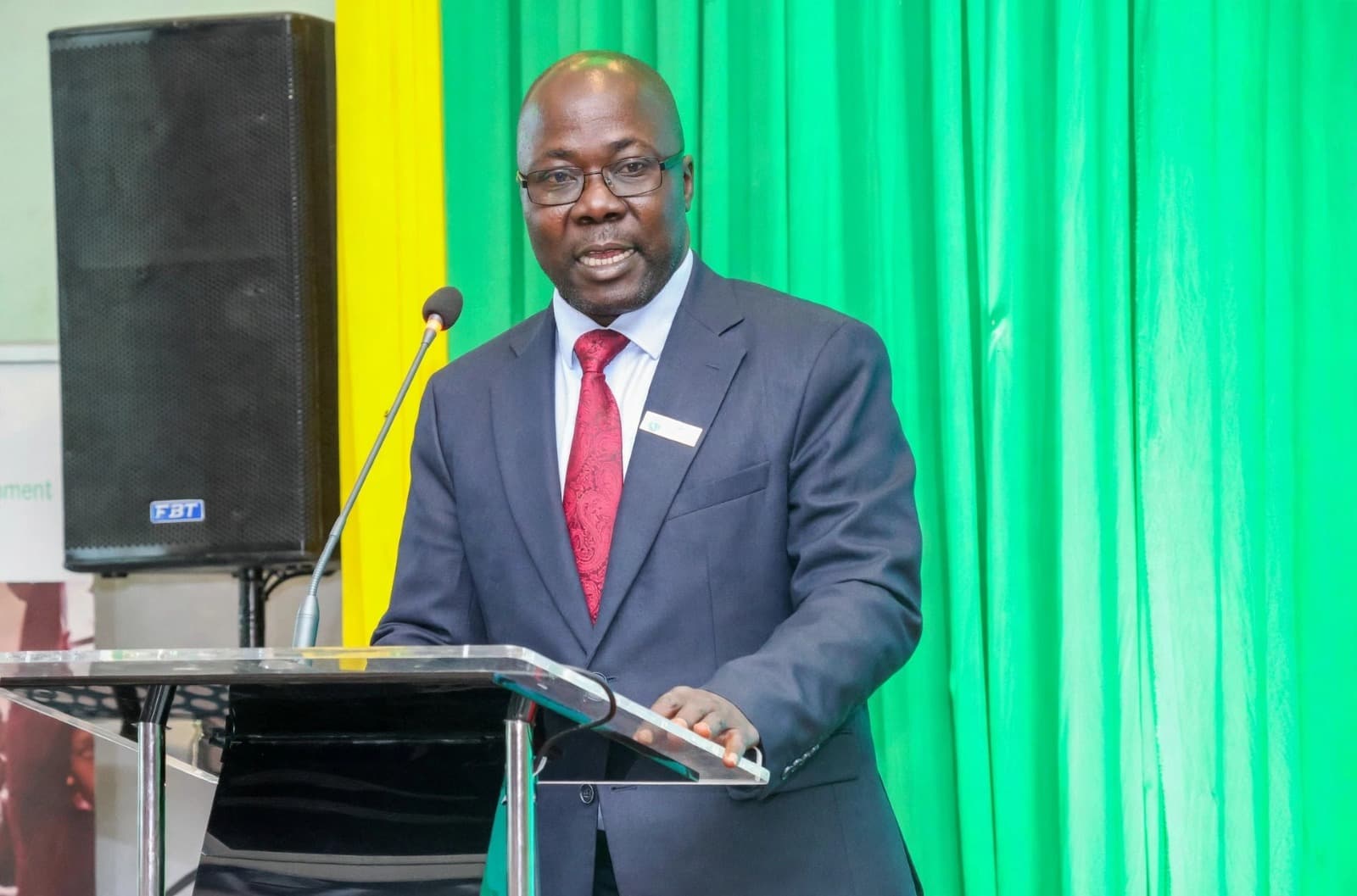
Appearing before the National Assembly’s Public Petitions Committee on Tuesday, August 11, 2026, PSC Deputy CEO Gerald Kuhaka said the move from the traditional Defined Benefits Scheme to the Public Service Superannuation Scheme (PSSS) had been designed around officer choice rather than compulsion.
The committee was considering Public Petition No. 8 of 2026, filed by members of the Kenya National Association of Public Service Pensioners in Kericho, who have challenged aspects of the existing pension framework.
Kuhaka explained that when the PSSS came into effect on January 1, 2021, public officers aged above 45 years were given the option of joining the new contributory scheme or remaining in the existing Defined Benefits Scheme. According to the PSC, officers who stayed under the Defined Benefits arrangement did so after exercising their statutory right to remain within the traditional pension system. The petitioners, however, maintained that the continued existence of different pension arrangements has created disparities among retirees, and called for reforms to establish a more unified and sustainable framework.
Parliament tables six sweeping education Bills overhauling governance, curriculum, teacher training and university funding
Petitioners cite commutation, inflation and delays
Among the concerns raised by the petitioners was the statutory commutation of a portion of pension benefits into a lump sum payment. They argued that the commutation of one-quarter of pension benefits reduces retirees’ monthly income, despite pension rights having accrued to beneficiaries under the Pensions Act. The pensioners also raised the failure to undertake regular actuarial reviews and implement pension adjustments recommended by the Salaries and Remuneration Commission, arguing that the absence of regular adjustments has progressively weakened retirees’ purchasing power as inflation increases the cost of essential goods and services.
A further concern was the delay in processing and accessing certain pension benefits, which the petitioners attributed to cumbersome administrative procedures. They asked Parliament to facilitate the amalgamation of non-contributory civil service pension arrangements into a unified and sustainable pension framework, and called for regular actuarial assessments, pension adjustments to cushion retirees against inflation, and a comprehensive review of the Pensions Act and the Pensions (Increase) Act.
ALSO READ:
https://educationnews.co.ke/kenya-must-confront-early-pregnancy-before-another-generation-of-girls-loses-its-educational-dream/
Government cites ongoing review of pension laws
Responding to the concerns, Kuhaka told the committee that the government had already initiated a broader review of pension legislation. He said the National Treasury established a Multi-Agency Task Team in 2024 to review the country’s pension laws, with the Public Service Commission among the institutions participating in the process. The review remains ongoing, with any proposed amendments or repeals expected to follow the normal legislative process.
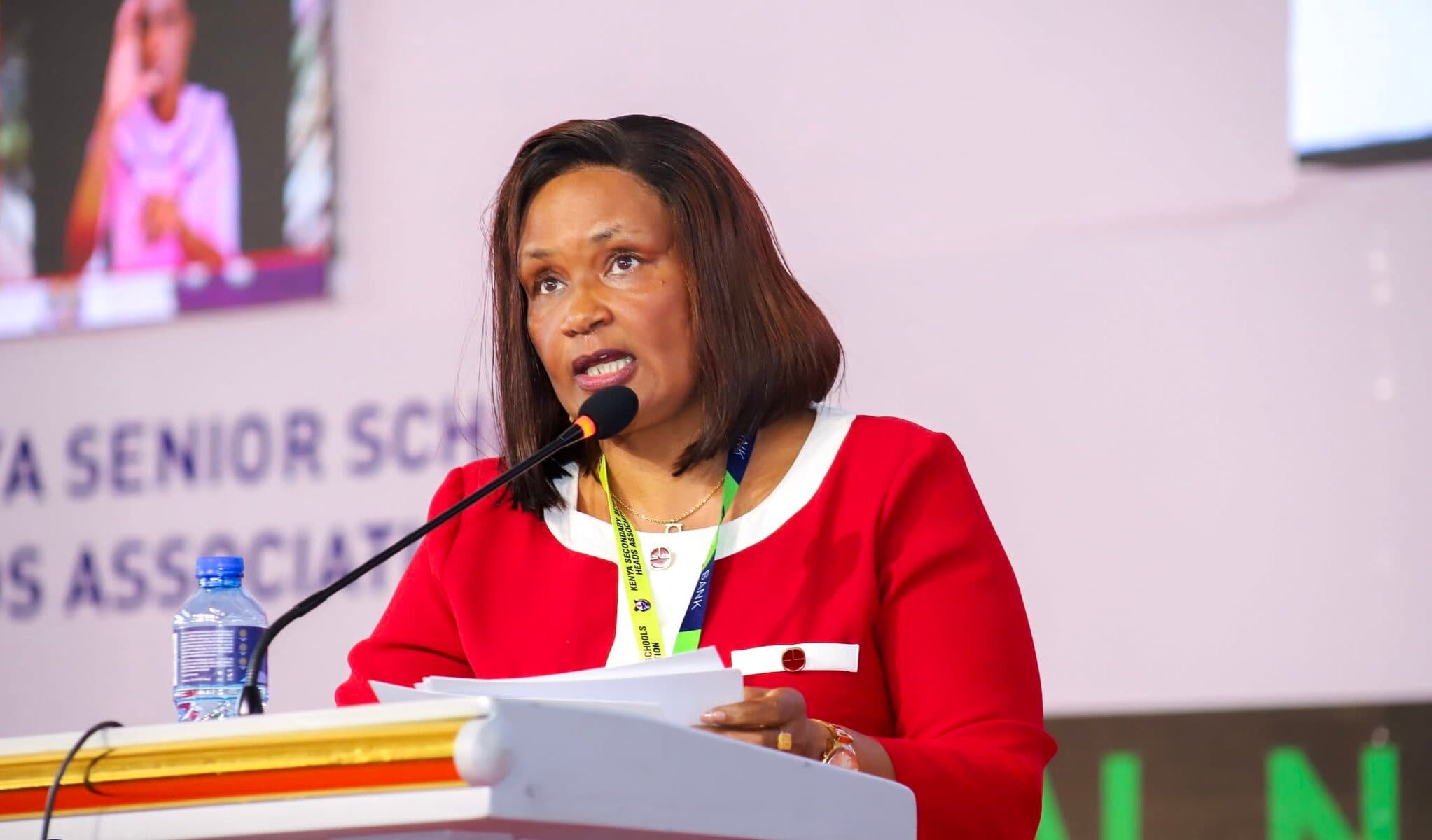
Principal Secretary, State Department for Public Service and Human Capital Development, Dr Jane Imbunya, told the committee that the transition to the contributory pension system was driven by several considerations. She said the reform was designed to make public pension obligations more fiscally sustainable and predictable while reducing the burden of funding retirement benefits on future taxpayers. The government also intended to align public service retirement arrangements with modern pension practices and encourage greater mobilisation of domestic savings for economic development, while giving public servants greater transparency and ownership over their retirement savings. Under the Defined Contribution model, contributions are made into an individual’s retirement account and invested over time, with the eventual retirement benefit depending partly on investment performance.
Public Service Superannuation Fund (PSSF) Chief Executive Officer Dr Jonah Aiyabei told MPs that the Defined Contribution and Defined Benefits arrangements operate under different legal and statutory regimes, cautioning that merging the two systems would not be a simple administrative exercise. He said any decision to amalgamate the schemes would require a government policy directive through the National Treasury, since the two arrangements are governed by distinct legal frameworks.
MPs press on inflation protection and investment risk
The question of inflation featured prominently during the committee session. Committee Chairperson Hon Muchangi Karemba, MP for Runyenjes, sought clarification on how retirees under the Defined Benefits Scheme are protected from the erosion of purchasing power, a concern particularly significant for retirees whose pension income may remain relatively fixed while the cost of food, housing, healthcare and other essential services continues to rise. Aiyabei said the PSSF has adopted an investment policy intended to ensure that investment returns remain sensitive to inflation, explaining that the Fund seeks to diversify its investments across different areas in an effort to protect members from adverse economic conditions and help retirement savings retain their value as economic circumstances change.
ALSO READ: A negotiated University CBA must be honoured long after the signing ceremony ends
Committee Vice-Chairperson Hon Janet Sitienei, MP for Turbo, also questioned the allocation of investment risk under the Defined Contribution Scheme. Aiyabei explained that the risk differs fundamentally from that under the Defined Benefits arrangement.
Under a Defined Benefits Scheme, the retirement benefit is determined through an established formula, meaning the member’s eventual benefit is largely predetermined according to applicable rules. Under a Defined Contribution Scheme, by contrast, the employer and employee contributions are defined while the eventual retirement benefit depends on accumulated contributions and investment performance, meaning the individual member ultimately bears the investment risk under the new arrangement.
By Hillary Muhalya
You can also follow our social media pages on Twitter: Education News KE and Facebook: Education News Newspaper for timely updates.
>>> Click here to stay up-to-date with trending regional stories
>>> Click here to read more informed opinions on the country’s education landscape


Reader Discussion (0)
Sign in to comment