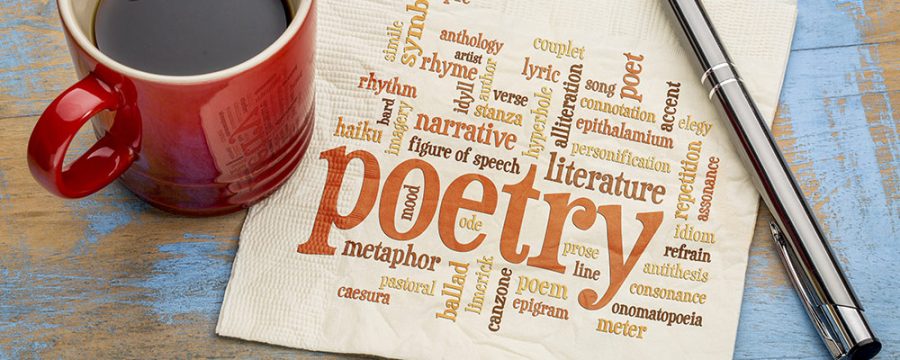
For centuries, human beings have turned to poetry to express emotions that ordinary language struggles to capture. From songs of joy and praise to verses of grief and longing, poetry has served as a mirror of the human experience. While many people associate poetry with classrooms, literature examinations or artistic expression, growing research suggests that poetry is also a powerful tool for emotional healing and psychological well-being. In a world increasingly marked by stress, anxiety, loneliness and uncertainty, poetry offers something that modern life often lacks: a safe space to feel, reflect and heal.
The therapeutic power of poetry lies in its ability to give shape to emotions. Human beings often experience feelings that are difficult to explain. Grief, heartbreak, fear, disappointment, and hope can be overwhelming when left unspoken. Poetry provides a language through which these emotions can be expressed. Through metaphors, imagery, rhythm, and symbolism, individuals can communicate inner experiences that might otherwise remain buried. A simple poem can say what pages of ordinary prose cannot.
Psychologists have long recognised the value of expressive writing in promoting mental health. When people write about their experiences, they often gain greater clarity about their thoughts and feelings. Poetry takes this process a step further by encouraging creativity and reflection. The act of choosing words carefully, arranging them into meaningful patterns, and transforming emotions into art can be deeply therapeutic. Rather than suppressing difficult feelings, poetry invites individuals to confront and understand them.
One of poetry’s greatest strengths is that it allows people to explore painful experiences from a safe distance. Writing directly about a traumatic event may feel intimidating or emotionally overwhelming. However, when that experience is expressed through metaphor or imagery, it becomes easier to examine.
A person may describe sadness as a storm, loneliness as an empty road, or hope as a flickering candle. These images create emotional space, enabling individuals to process their experiences without becoming consumed by them.
Importantly, poetry is not reserved for professional writers or literary experts. Many people mistakenly believe that poems must follow strict rules or demonstrate artistic brilliance. Therapeutic poetry, however, is not about impressing readers. It is about honest expression. A few simple lines written from the heart can have a greater healing impact than a technically perfect poem. What matters is authenticity rather than perfection.
Poetry also promotes mindfulness and self-awareness. In today’s fast-paced digital world, people are constantly bombarded with information, notifications, and distractions. Poetry requires a different kind of attention. It encourages individuals to slow down and observe their thoughts, feelings, memories, and surroundings. This mindful engagement helps people become more present and more aware of their emotional states. In many ways, writing a poem is an act of listening—to oneself and to the world.
Beyond individual healing, poetry fosters connection. Human beings often find comfort in discovering that others share similar struggles. Reading a poem that reflects one’s own experiences can reduce feelings of isolation and loneliness. It reminds people that they are not alone in their fears, doubts, or sorrows. Across cultures and generations, poetry has created bridges between individuals by giving voice to universal emotions.
Throughout history, communities have used poetry to navigate collective challenges. During wars, pandemics, political upheavals, and social crises, poets have documented suffering while also preserving hope. Poetry becomes a record of resilience. It captures the emotional truths behind historical events and helps societies make sense of difficult experiences. Even today, communities affected by conflict and displacement often turn to poetry as a means of preserving identity, expressing grief, and imagining a better future.
The healing potential of poetry is particularly relevant in educational settings. Schools often focus heavily on academic performance while paying less attention to students’ emotional well-being. Yet young people face numerous pressures, including examinations, family challenges, peer relationships, social media influences, and questions of identity. Poetry can provide a valuable outlet for these emotions. Through creative writing activities, students can reflect on their experiences, explore their feelings, and develop emotional literacy.
For teachers, poetry offers an opportunity to create more humane learning environments. A classroom poem about courage, friendship, loss, or dreams can spark meaningful discussions that extend beyond the curriculum. Students who struggle to express themselves verbally may find confidence through writing. In this way, poetry becomes not merely a literary exercise but a tool for personal growth and emotional development.
Moreover, poetry reminds us that vulnerability is not weakness. Many people feel pressure to appear strong, composed, and successful at all times. Poetry challenges this notion by celebrating honesty and emotional openness. Some of the world’s most powerful poems emerge from moments of uncertainty, sorrow, or reflection. They teach us that acknowledging our feelings is an essential step toward healing.
In an era increasingly concerned with mental health, poetry deserves greater recognition as a source of comfort and resilience. It costs nothing, requires no special equipment, and is accessible to people of all ages and backgrounds. Whether read silently, shared aloud, or written in a personal journal, poetry offers a pathway to understanding ourselves and others.
Ultimately, poetry does not eliminate life’s difficulties. It cannot erase grief, solve every problem, or remove pain. What it can do is help people make sense of their experiences, find meaning in their struggles, and discover beauty even in moments of darkness. In that sense, poetry is more than an art form. It is a companion, a refuge and, for many, a form of medicine for the soul.
By Ashford Kimani
Ashford teaches English and Literature in Gatundu North Sub-county and writes on education, literacy and youth development.
You can also follow our social media pages on Twitter: Education News KE and Facebook: Education News Newspaper for timely updates.
>>> Click here to stay up-to-date with trending regional stories
>>> Click here to read more informed opinions on the country’s education landscape
>>> Click here to stay ahead with the latest national news.