- Turkana County wants vocational institutions to equip young people with skills linked directly to available economic opportunities.
- Deputy Governor John Erus says training should target fishing, livestock, green energy, minerals and extractive industries.
- The county says its eight vocational institutions must align programmes with dominant economic activities or risk becoming irrelevant.
Turkana County has directed its technical and vocational institutions to stop training young people for jobs that may not exist and instead prepare them for industries that can create wealth and reduce poverty levels.
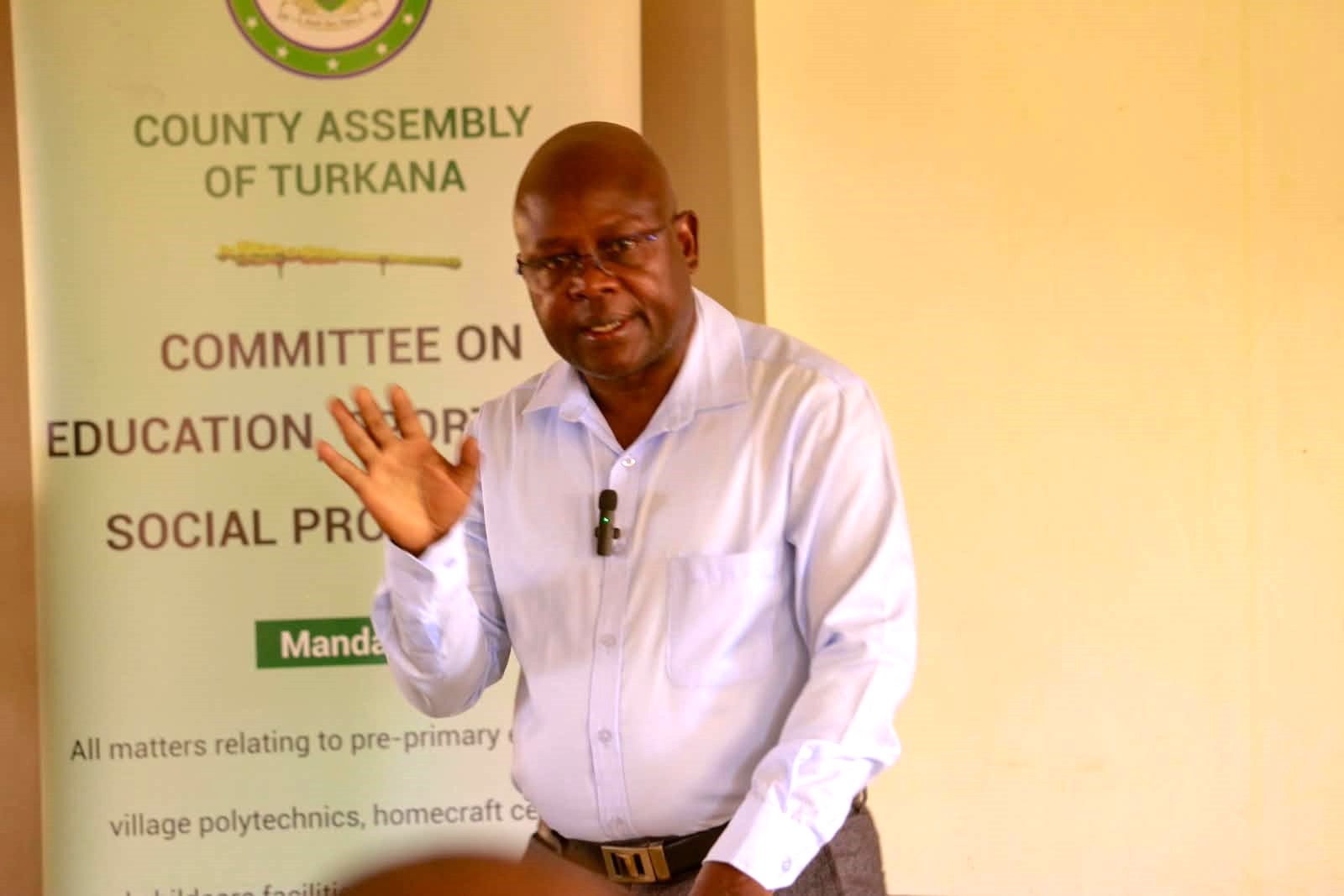
Deputy Governor Dr John Erus said research had identified fishing, the livestock economy, green energy, minerals and extractives as some of the areas that, if properly exploited, could drive the county to the next level. He demanded that vocational training institutions design training programmes guided by the value chains.
Speaking during the opening of a two-day forum on the implementation of the County Vocational Training Strategic Plan on Tuesday, Dr Erus said institutions that failed to comply risked producing graduates incapable of entering the job market as employees or entrepreneurs.
The Deputy Governor described the directive as an intentional action to ensure vocational institutions strengthen the dominant economic activity in their areas instead of merely offering generic courses.
“With research showing that the stretch between Todonyang and Mugur can generate hundreds of millions in revenue from Lake Turkana and fishing, Kalokol and Kataboi must begin to offer courses like boat making, fishing equipment maintenance and cold chain handling to stay relevant,” Dr Erus said.
He said economies of highly developed countries such as Germany and Italy had realised success by aligning vocational programmes with dominant economic activities, as Turkana was attempting to do.
Dr Erus added that the shift to align vocational training with evidence-informed data on where the county could realise an economic breakthrough also puts Turkana at the centre of the national conversation on ‘The Kenya We Want in the Coming Decades’, spearheaded by President William Ruto.
“If we have already identified the sectors which, when properly exploited, could transform Turkana, all our eight vocational institutions must align by offering the right programmes or risk becoming irrelevant,” he said.
Strategic plan targets labour market needs
Dr Lawrence Odollo, a long-serving educationist and ILO consultant who helped guide the development of the strategic plan, said Turkana was committed to ensuring the vocational education system remains responsive to the economic goals of the county.
Dr Odollo advised that the goal could best be met if the strategy was properly funded to ensure vocational institutions get trainers and equipment to impart the required skills.
According to Dr Odollo, organising the local population into cooperatives aligned with the already identified value chains would guarantee jobs and business opportunities for fresh graduates moving forward.
“The dynamic nature of vocational training requires strategic and system-based thinking,” he said. “The County now has a Strategic Plan to ensure each vocational institution effectively contributes to the local economy by training the right workforce.”
Carolyne Njuki, ILO Technical Advisor, said attempts at aligning training programmes with market demands had produced successful results in Turkana in the past.
“When the county was building the Lodwar Fresh Produce Market, there was need for skilled workforce in paving using the cobblestone technology,” she said. “ILO and the County trained, examined and certified the first batch of artisans and connected them with the jobs.”
The ILO official added that the organisation would continuously share data on labour trends with Turkana to keep training programmes relevant to the job market, as envisioned by the strategic plan.
Eight vocational institutions targeted
Just like ECDE, technical and vocational training that equips trainees with skills to enter the labour market either as technologists, technicians or artisans after passing TVET CDACC examinations is a devolved function.
Turkana exercises the mandate through eight vocational institutions at Lodwar, Kalokol, Kataboi, Lorgum, Lokichar, Lokori and Lokichoggio. According to Stephen Eregae, the institutions’ total enrolment stands at more than 2,400 youths.
“Our eight vocational institutions serve as either learning or examination centres. Through this strategic plan, we intend to elevate each of them as independent learning and examination centres aligned with the dominant economic activities in their areas as directed,” he said.
READ ALSO: Understanding compounding learning deficits: The small gaps that become big barriers
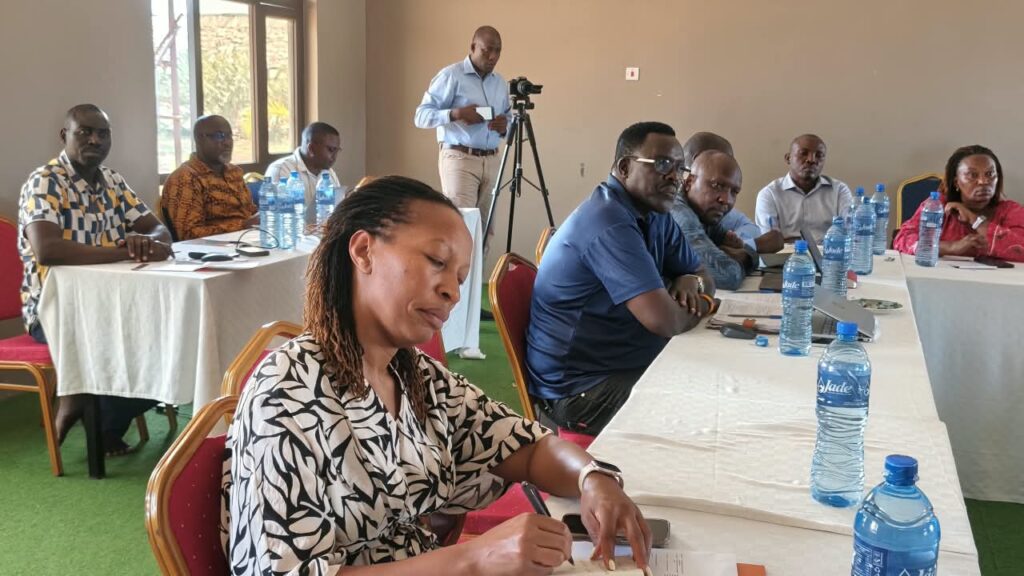
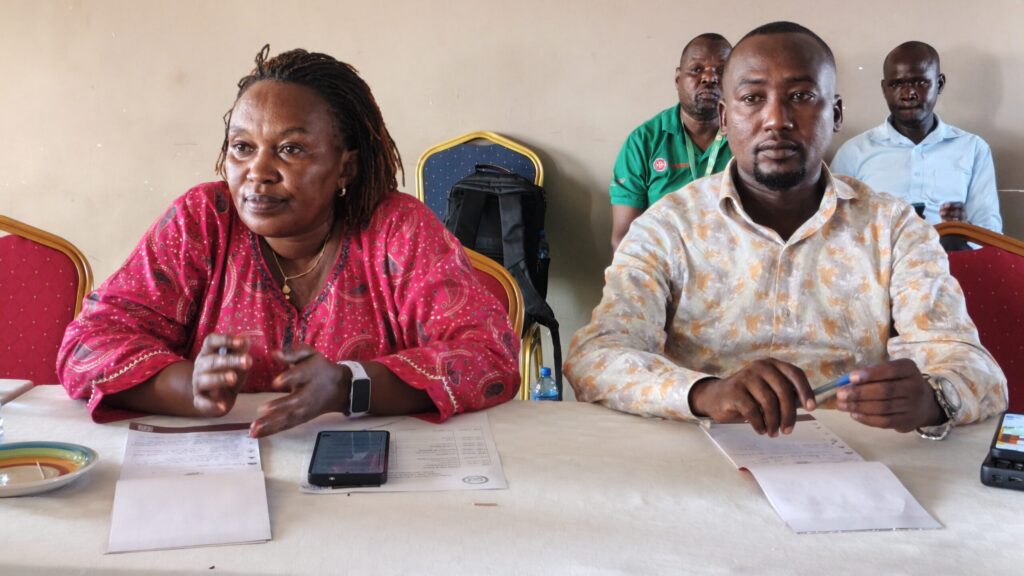
The ILO-supported engagement forum was attended by County Assembly committee members on Education, Sports and Social Protection, county officials and representatives of development partners.
By Otieno Sadat
Get more stories from our website: Education News
To write to us or offer feedback, you can reach us at: editor@educationnews.co.ke
You can also follow our social media pages on Twitter: Education News KE and Facebook: Education News Newspaper for timely updates.
>>> Click here to stay up-to-date with trending regional stories