



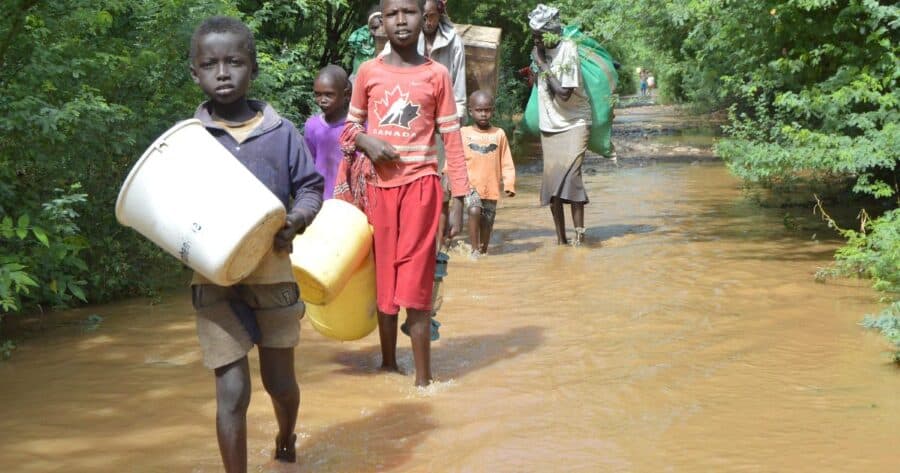
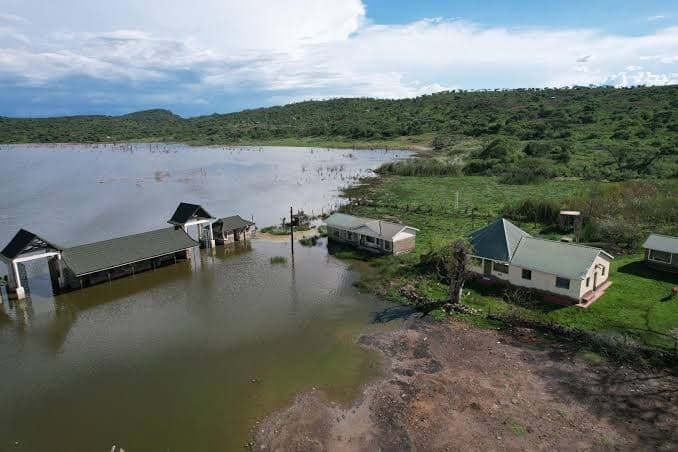
The project comes amid concerns over rising water levels that have progressively reduced the natural land barrier separating the two lakes, threatening ecological changes with far-reaching consequences for communities, wildlife and economic activities in Baringo County.
The possibility of the lakes merging presents a major environmental concern because they have fundamentally different water compositions.
Lake Baringo is a freshwater ecosystem that supports fishing communities, provides water for domestic use and sustains wildlife, including hippos and crocodiles.
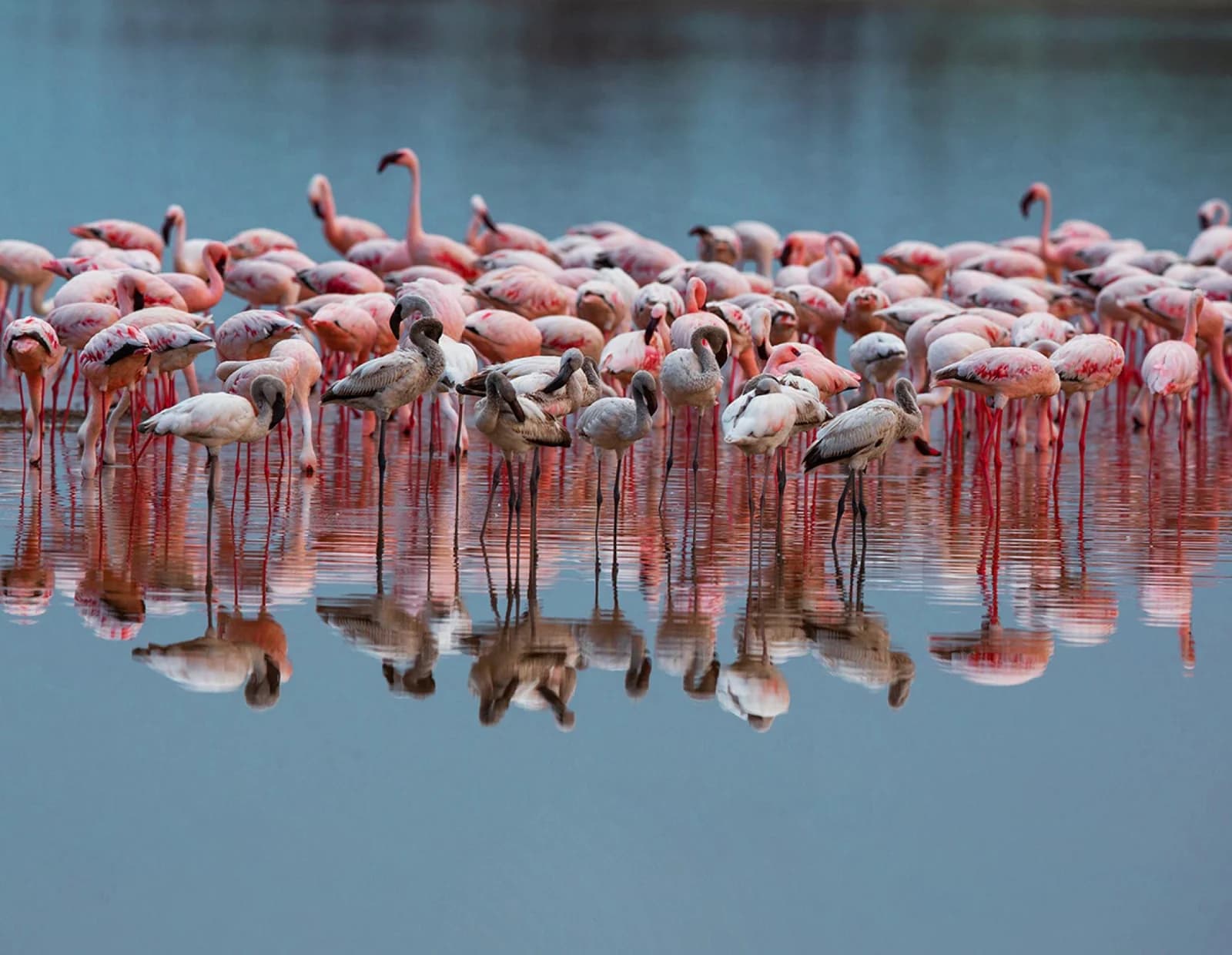
Lake Bogoria, in contrast, is a highly alkaline soda lake renowned for its hot springs, geysers and flamingos.
Environmental concerns centre on the possibility of alkaline water entering Lake Baringo, potentially altering its freshwater ecosystem, threatening fish populations and disrupting the livelihoods of people who depend on the lake.
Restoring river channels
To reduce this risk, the State Department for Irrigation is undertaking river training and riverbank stabilisation along the Waseges and Loboi rivers.
The interventions seek to restore flow paths and redirect water away from Lake Bogoria, reducing pressure on the alkaline lake.
Irrigation Secretary Michael Thuita inspected the ongoing works under the Lake Bogoria Irrigation Project alongside technical experts on November 18.
According to the State Department, the first phase is approximately 95 per cent complete, with riverbank stabilisation works completed along the two rivers.
The government has also completed a bathymetric survey of Lake Baringo to establish baseline information on its depth and water levels.
The findings will guide technical decisions on whether some water needs to be evacuated as part of wider efforts to manage rising lake levels.
Expanded irrigation planned
The intervention is not limited to reducing the risk of the lakes merging. The government also intends to turn the region’s water challenges into an opportunity for agricultural development.
Under the proposed second phase, irrigation coverage across the Loboi and Sandai communities is expected to expand from approximately 1,000 acres to nearly 6,000 acres.
The expansion is expected to improve agricultural productivity, strengthen household incomes, create employment opportunities and contribute to food security.
Nevertheless, the implementation of the project has presented temporary challenges for some residents. Farmers along the affected river channels have reported interruptions to their water supply, while several parcels of land lie along the newly established drainage corridors.
Authorities maintain that the long-term benefits will include protecting homes, schools, farmland and other properties from further submergence while creating opportunities for sustainable agricultural production.
With the first phase approaching completion, the remaining works will be important in determining how effectively the government can manage water flows and protect the two lakes’ distinct ecosystems.
The situation in Baringo also highlights the challenges associated with rising lake levels and heavy rainfall across Kenya’s Rift Valley.
For communities living around Lakes Baringo and Bogoria, the project represents more than an engineering undertaking. It is an intervention aimed at safeguarding livelihoods, protecting the environment and securing the future of two of Kenya’s distinctive natural treasures.


Reader Discussion (0)
Sign in to comment