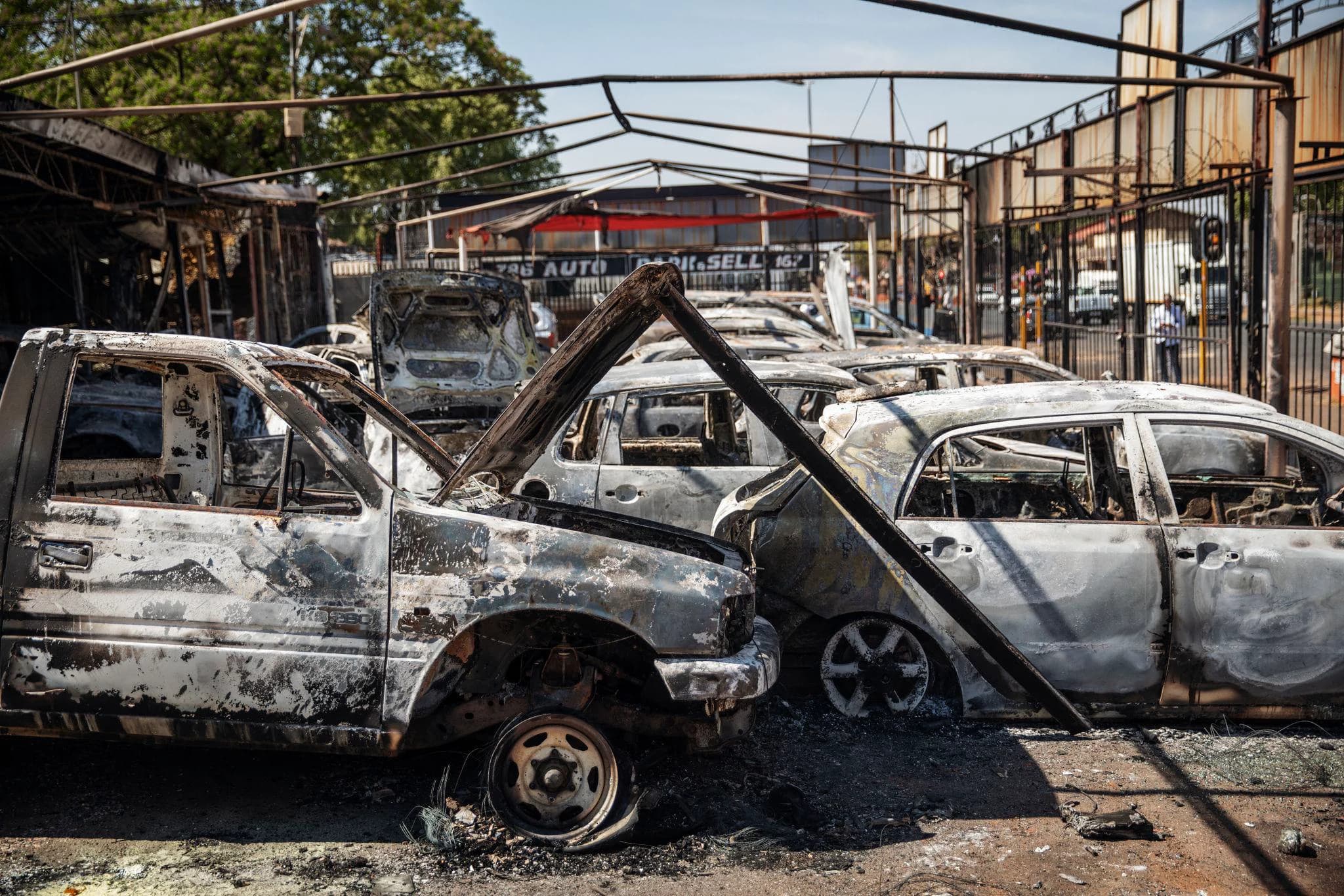
South Africa’s renewed wave of xenophobic violence has raised concerns over the safety of foreign nationals, including Kenyans pursuing education, employment and business opportunities, following reports of burning vehicles, intimidation and disruption to foreign-owned businesses in Durban and Soweto.
The unrest has intensified fears among migrant communities and placed the South African government under pressure to contain anti-immigrant hostility before it spreads further. For Kenyan students, teachers, medical workers, entrepreneurs and other professionals living in the country, the situation raises difficult questions about personal safety, continuity of education, job security and the protection of investments.
Reports from the latest incidents indicate that 24 vehicles were torched across Durban and Soweto, with foreign-owned businesses also affected by disruption. However, the full extent of the damage and the specific impact on Kenyan nationals remain unclear.
Durban, in KwaZulu-Natal, and Soweto, in Johannesburg, have emerged as the principal locations identified in reports of the latest unrest.
In Durban, incidents in the city centre reportedly involved vehicles being set ablaze and businesses suffering disruption, including shops operated by foreign nationals. The destruction threatens the livelihoods of traders, employees and families who depend on small businesses for income.
In Soweto, particularly Orlando West, reports of burned vehicles, intimidation and disruption to foreign-operated shops have heightened fears that hostility towards immigrants could escalate into further attacks.
The reported destruction of 24 vehicles—14 in Durban and 10 in Soweto—underscores the seriousness of the unrest. Nevertheless, the available reports do not establish that Kenyan nationals were among those directly attacked, injured or displaced.
The immediate concern is whether law-enforcement agencies can restore order and prevent the violence from spreading to other communities where foreign nationals live, study and work.
Asylum policy dispute adds fuel to the crisis
The latest unrest has unfolded amid controversy surrounding South Africa’s asylum application procedures and a Constitutional Court ruling on access to the asylum system.
Confusion about the judgment fuelled claims that undocumented migrants had been granted blanket legal status. However, access to the asylum application process does not automatically confer refugee status, permanent residence or citizenship.
South Africa’s Department of Home Affairs subsequently withdrew an operational directive issued on September 28, 2026, amid concerns about implementation, pressure on refugee reception offices and public-order challenges.
The withdrawal did not overturn the court’s judgment. Rather, it highlighted the difficulties authorities face in balancing legal obligations, immigration enforcement and the administration of asylum applications.
The episode illustrates how disputes over government policy can become flashpoints when misinformation circulates in communities already grappling with economic hardship and anxiety over immigration.
Economic hardship turns migrants into scapegoats
South Africa’s persistent unemployment, inequality and competition for economic opportunities have provided fertile ground for anti-immigrant mobilisation.
Foreign nationals, particularly those operating small businesses, are sometimes accused of taking jobs, dominating informal trade or contributing to crime. Such broad accusations risk reducing complex economic and social problems to hostility against entire nationalities.
Immigration enforcement, crime prevention and business regulation are responsibilities of the state. They cannot legitimately be transferred to vigilante groups that intimidate residents, loot shops, destroy property or threaten people because of their nationality.
The danger is that foreign nationals who are lawfully resident, employed, studying or running legitimate businesses may become victims of collective hostility, regardless of their individual circumstances.
South Africa therefore faces the challenge of addressing public concerns about immigration without allowing economic frustration to become a justification for violence.
Kenyan students and professionals face uncertainty
For Kenya, the developments raise concerns about citizens who have made South Africa their destination for higher education, professional advancement, employment and investment.
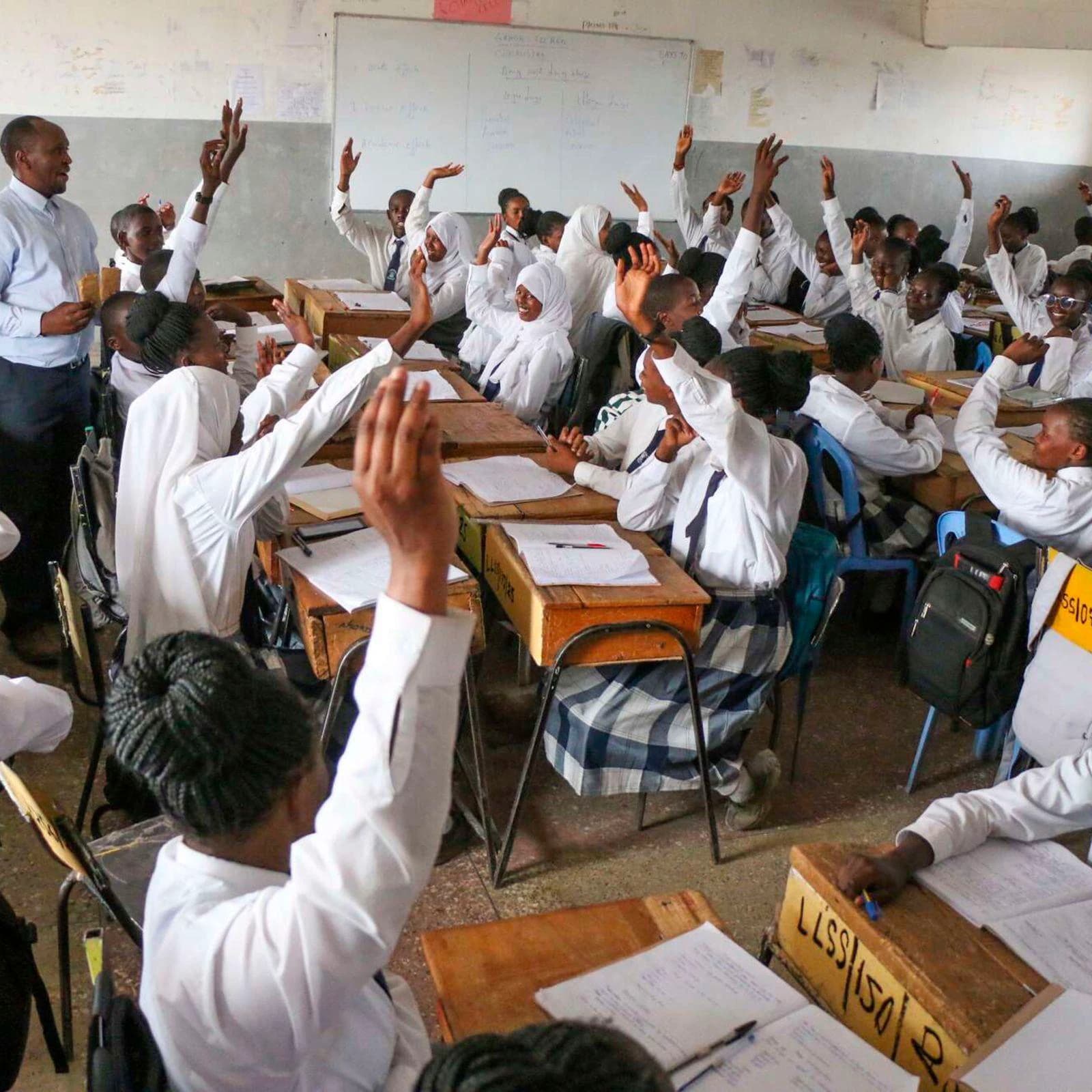
Kenyan students could face interruptions to learning, difficulties accessing accommodation and transport, or anxiety about travelling between campuses and residential areas if unrest spreads. Professionals, including teachers, medical workers and corporate employees, may worry about commuting safely and maintaining stable employment.
Entrepreneurs face the possibility of losing stock, property and income if their businesses are vandalised, looted or forced to close. Such losses can affect employees and families who depend on those enterprises for their livelihoods.
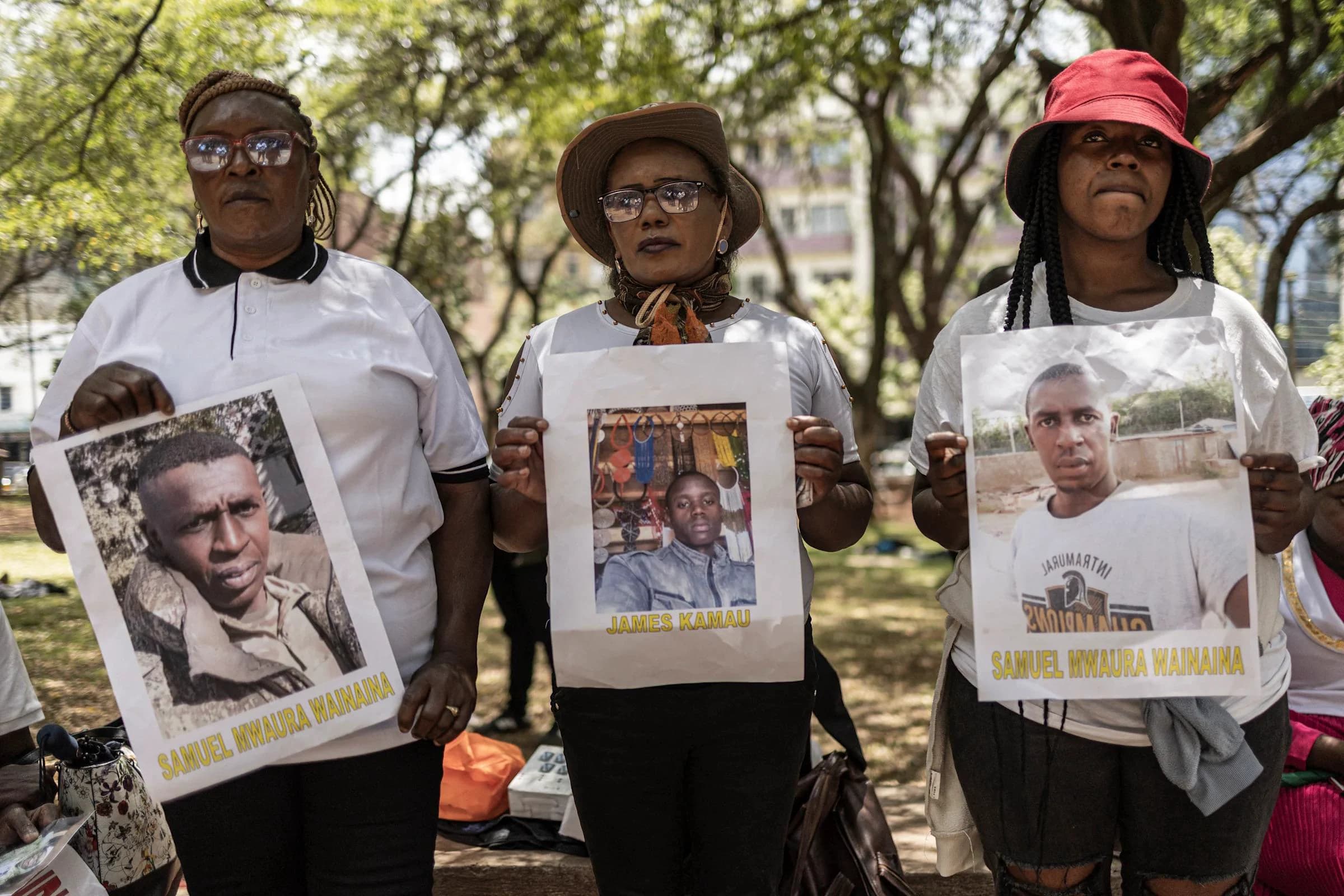
However, the scale of the impact on Kenyans remains unconfirmed. The reports reviewed do not establish that Kenyan nationals have been specifically targeted, injured or displaced during the latest incidents.
The Kenyan government should maintain communication with its nationals, verify reports of attacks involving Kenyans and provide appropriate security guidance and consular assistance where necessary.
Students and professionals in potentially affected locations should monitor official advisories, avoid demonstrations and confrontation zones, keep their identification documents secure and maintain contact with their universities, employers or community representatives.
The immediate priority is to establish the actual circumstances facing Kenyan nationals rather than assume that all foreign residents have been directly affected.
Xenophobia threatens African solidarity
The violence also threatens relations between South Africa and other African countries.
South Africa’s liberation struggle attracted solidarity from across the continent, with African countries supporting the fight against apartheid. Attacks against fellow Africans risk undermining that history and weakening trust between communities connected through education, trade, employment and family relationships.
Migration within Africa is driven by the search for university education, specialised employment, business opportunities, safety and family reunification. Foreign nationals can contribute skills, investment and entrepreneurship to their host communities, even as governments confront legitimate questions about immigration management and public services.
It is therefore essential to distinguish between enforcing immigration laws and discriminating against people because of their nationality.
South Africans have a right to expect effective immigration management and accountable public institutions. Foreign nationals, in turn, deserve protection against violence, intimidation and unlawful discrimination.
These principles are compatible: a country can regulate immigration and enforce its laws without allowing residents to take the law into their own hands.
Government response will determine the next chapter
The immediate responsibility of South African authorities is to protect lives, restore order, investigate reported offences and ensure that those responsible are held accountable.
Clear communication about immigration and asylum policy is equally important. Conflicting messages and misinformation can intensify public anxiety, particularly when political rhetoric reinforces suspicion of foreign communities.
The government must also address the wider conditions that make anti-immigrant mobilisation attractive, including unemployment, inequality and competition for limited economic opportunities. These challenges require sustained economic and institutional reforms rather than the scapegoating of vulnerable communities.
For Kenya, continued diplomatic engagement will be crucial in determining whether any citizens require assistance and whether the unrest is disrupting their education, employment or businesses.
The bigger question: Can Africa protect its own?
South Africa’s latest xenophobic crisis presents a difficult test of the continent’s commitment to African solidarity, human dignity and peaceful coexistence.
For Kenyan students and professionals, the immediate question is whether they can continue their studies, careers and businesses without fear. For South African authorities, the challenge is to demonstrate that immigration enforcement can coexist with public safety, constitutional obligations and respect for the law.
The reported destruction of vehicles and disruption to foreign-owned businesses in Durban and Soweto are warning signs of what can happen when grievances are channelled into hostility against entire communities.
South Africa’s defining test is whether it can confront its immigration and economic challenges without turning fellow Africans into targets—and whether its institutions can protect foreign nationals before the violence spreads further.


Reader Discussion (0)
Sign in to comment