





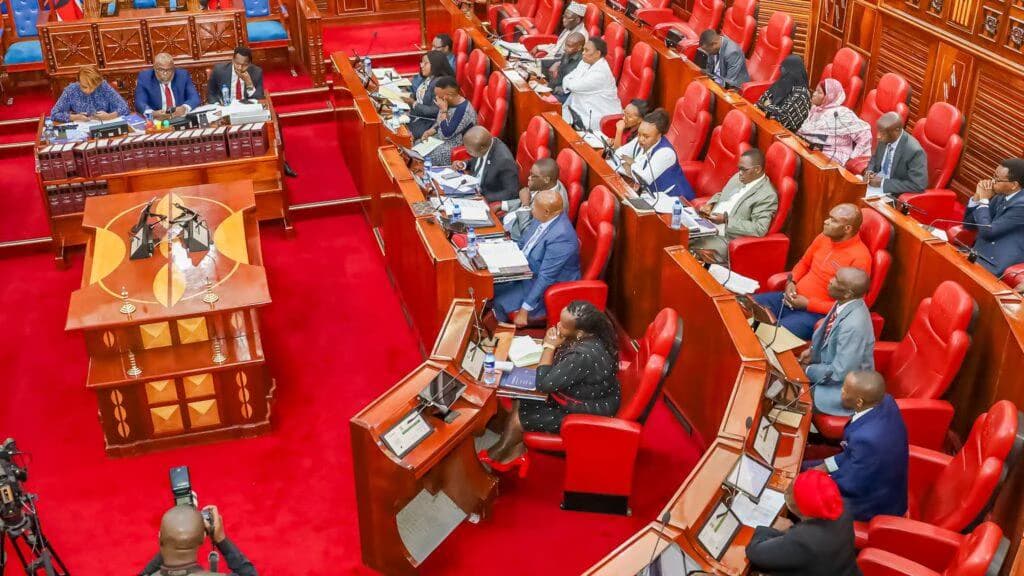
Members of Parliament have called for urgent reforms in the protection of Kenyans working in Gulf countries, citing inadequate consular services, abuse of migrant workers and difficulties in securing emergency assistance for citizens in distress abroad.
The MPs, drawn from the National Assembly's Departmental Committee on Labour, said Kenya's foreign missions were not responding effectively to the needs of migrant workers, particularly domestic workers facing exploitation and mistreatment in the Gulf region.
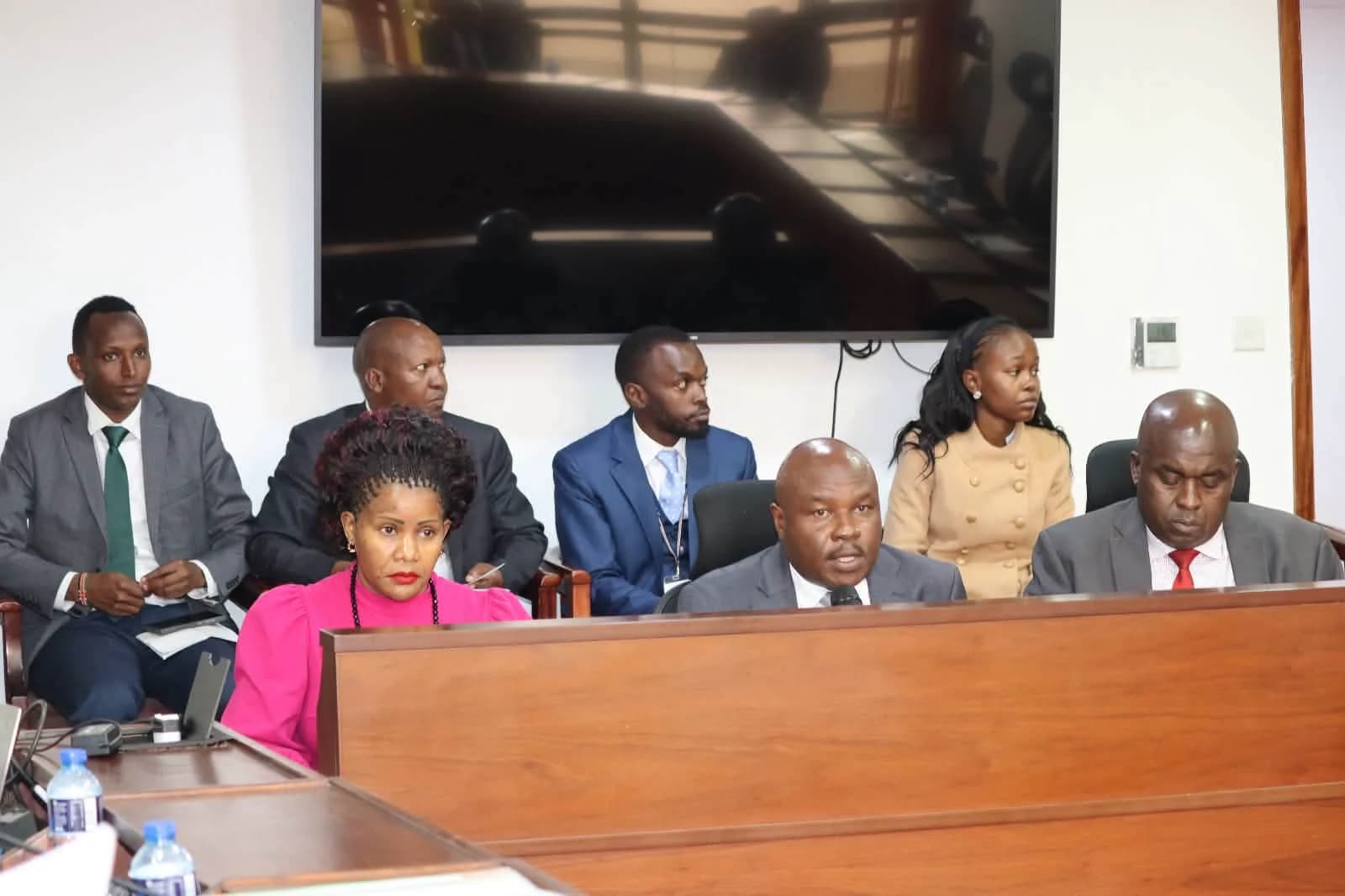
The concerns emerged on Tuesday during a meeting with Labour and Skills Development Principal Secretary Shadrack Mwadime, who appeared before the committee to seek parliamentary support for the ratification of the International Convention on the Protection of the Rights of All Migrant Workers and Members of Their Families. The convention seeks to strengthen safeguards against forced labour, discrimination, wage exploitation, contract substitution and other forms of abuse affecting migrant workers.
Legislators questioned whether Kenya had adequate structures to protect its citizens abroad, arguing that government assurances did not always reflect the difficulties workers face when seeking help.
Tana River MP Amina Dika, who said she lived and worked in Dubai for 12 years, told the committee that Kenyan consulates lacked essential facilities, including safe houses for distressed domestic workers. She said some women escaping abusive employers were forced to seek refuge in private homes, while community networks and WhatsApp groups were often relied upon to raise money for emergency repatriation.
The committee also highlighted cases of Kenyans allegedly being buried abroad without their families' consent, as well as reports of citizens being recruited through informal networks in Dubai to participate in the Russia-Ukraine conflict. Questions were also raised over the capacity of labour attachés in Riyadh, including a reported lack of vehicles and difficulties accessing detention facilities where Kenyans are held.
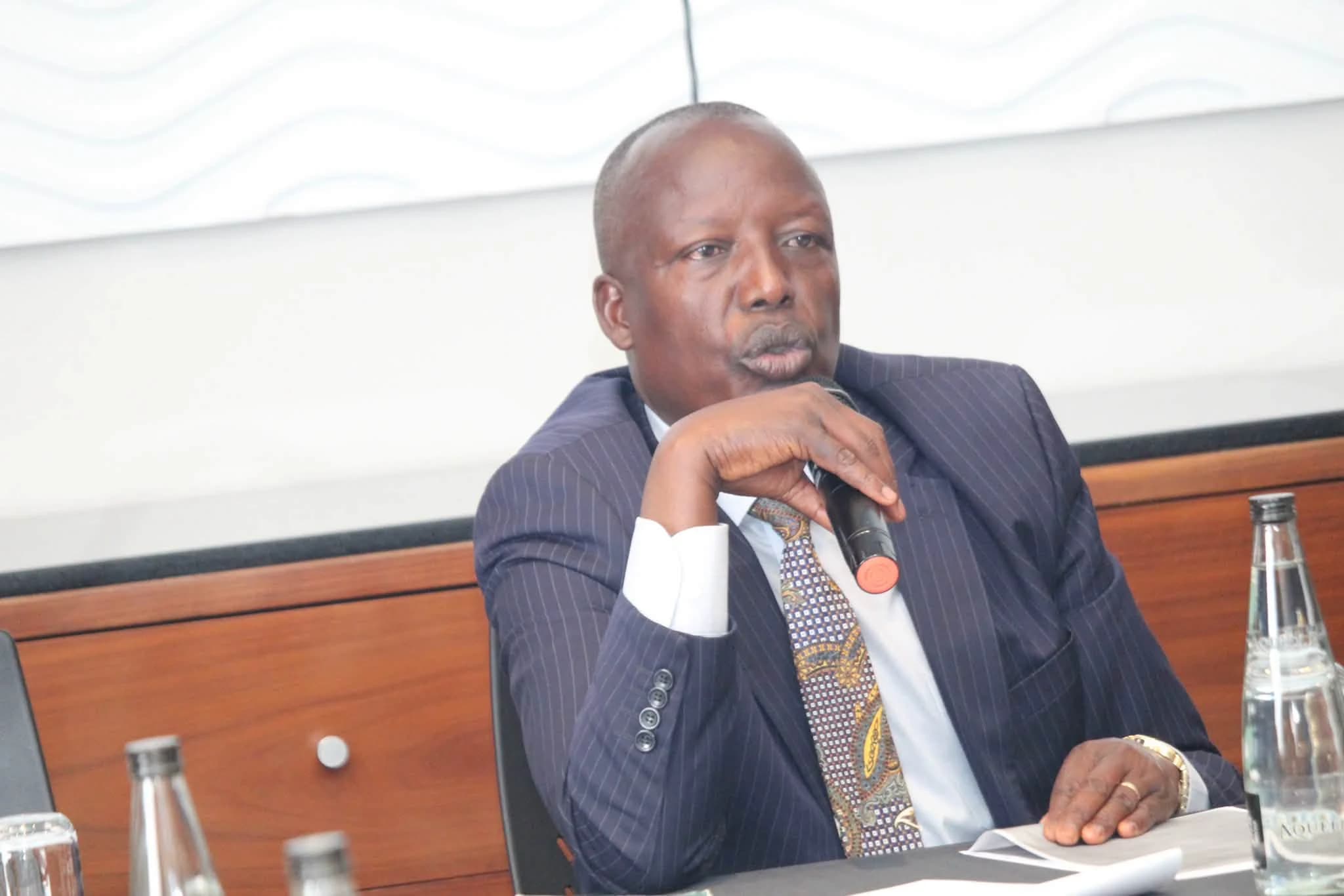
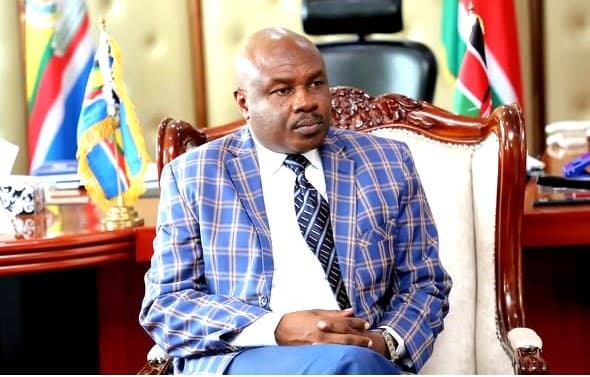
Committee Chairman Ken Chonga said MPs regularly receive distress calls from constituents working abroad but face challenges obtaining assistance from the Ministry of Foreign and Diaspora Affairs. He said labour protection efforts would remain ineffective unless diplomatic missions could respond promptly when Kenyan workers faced abuse or were detained by foreign authorities. Mr Chonga cited his own unsuccessful attempts to seek help for constituents from Kilifi and said the government needed to address coordination failures between the Labour and Foreign Affairs ministries.
Mr Mwadime acknowledged the challenges and said the government recognised the need to strengthen mechanisms for handling cases involving distressed migrant workers.
He said cases of Kenyans being buried abroad without family approval sometimes arose from communication failures between relatives, foreign mortuaries and Kenyan diplomatic missions. He added that recovering bodies after burial could involve complicated legal procedures in foreign jurisdictions, requiring intervention by the Foreign Affairs ministry.
The PS maintained that ratifying the convention would strengthen Kenya's ability to protect migrant workers whether they travelled through formal or informal recruitment channels. He disclosed that the proposed Kenya Migrant Workers Welfare Fund, contained in the Labour Migration Bill, would help finance emergency interventions and the repatriation of Kenyans facing difficulties abroad.
Mr Mwadime urged the committee to support ratification, saying it would bring Kenya's labour migration framework closer to international human rights standards and provide a stronger foundation for protecting citizens working outside the country.

Reader Discussion (0)
Sign in to comment