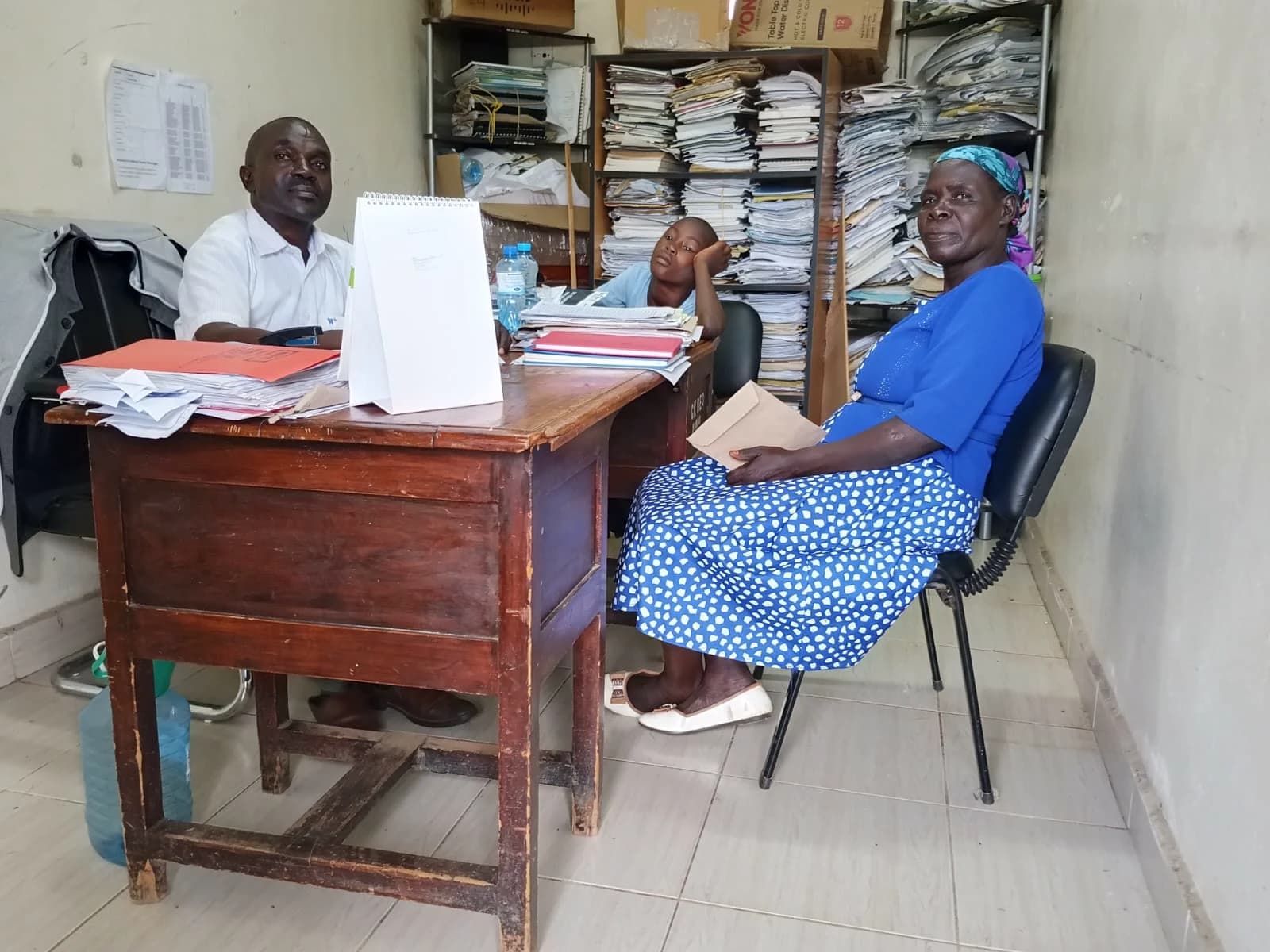
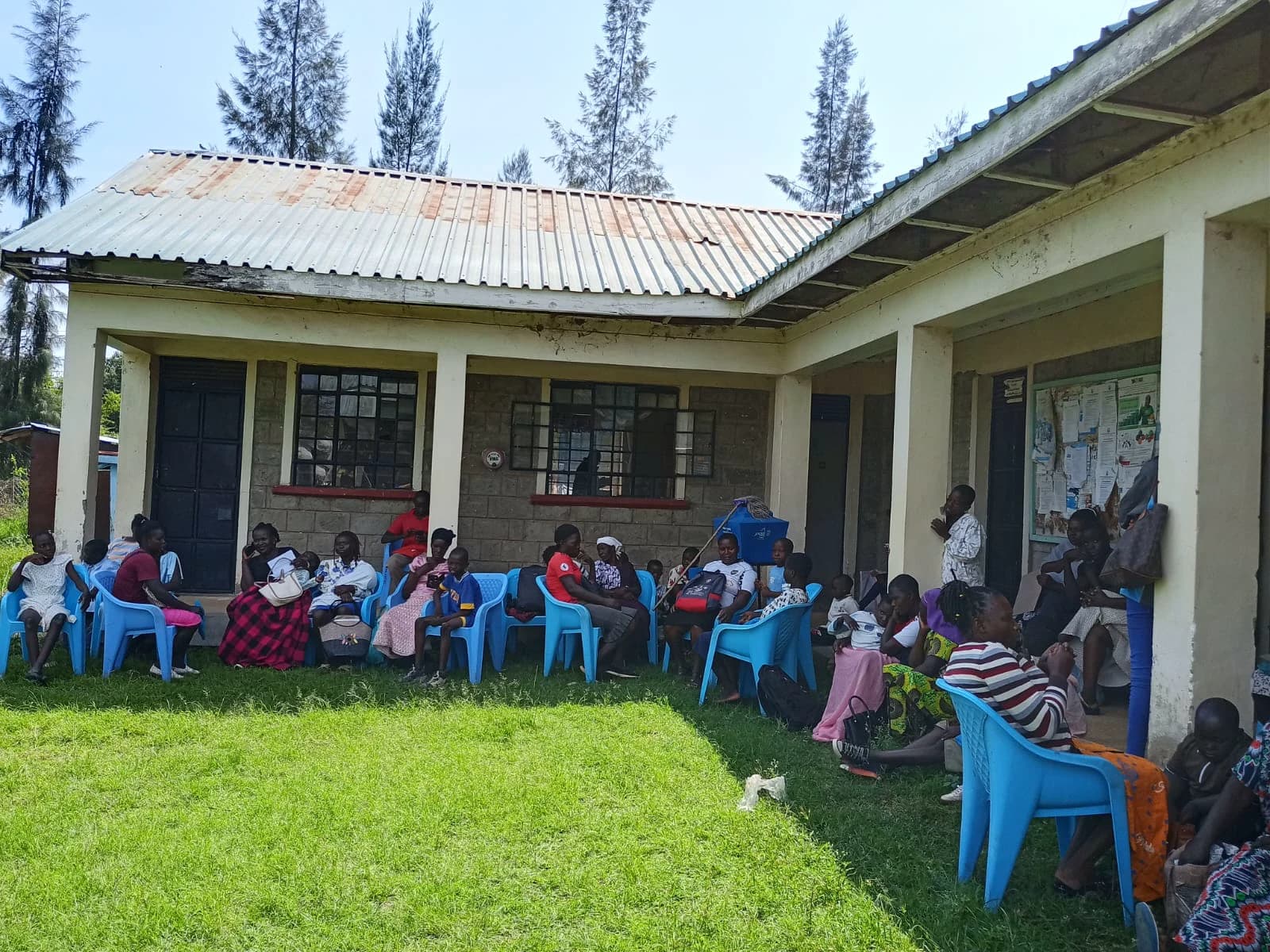
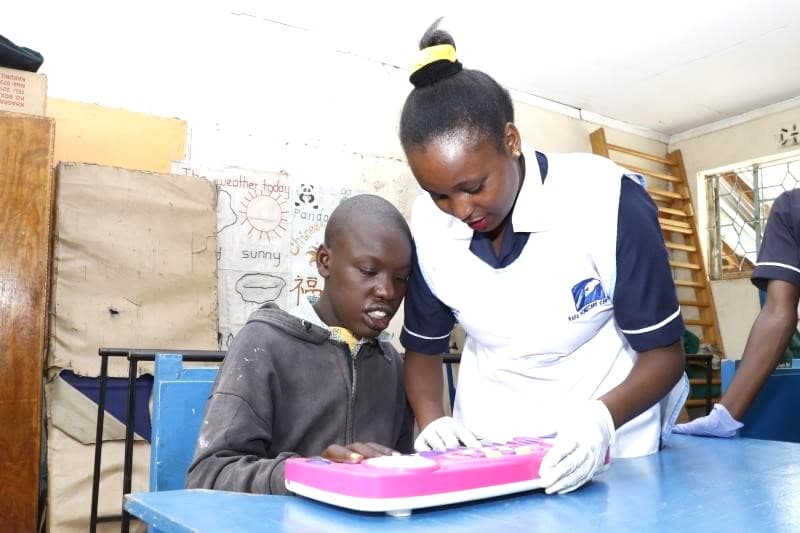
More than 60 people turned up on the first day of a two-day functional educational assessment exercise in Rarieda Sub-County, Siaya County, aimed at identifying learners with special educational needs and linking them to appropriate support services.
The exercise, held at the Rarieda Special Needs Education (SNE) offices, brought together education officials, special needs educators and other stakeholders to assess individuals with different disabilities and learning challenges.
The assessments covered learners with physical impairments, hearing and visual impairments and intellectual disabilities, as well as individuals living with sickle cell anaemia.
The initiative followed extensive data collection by the Action Foundation team, which helped identify individuals requiring specialised educational and medical interventions.
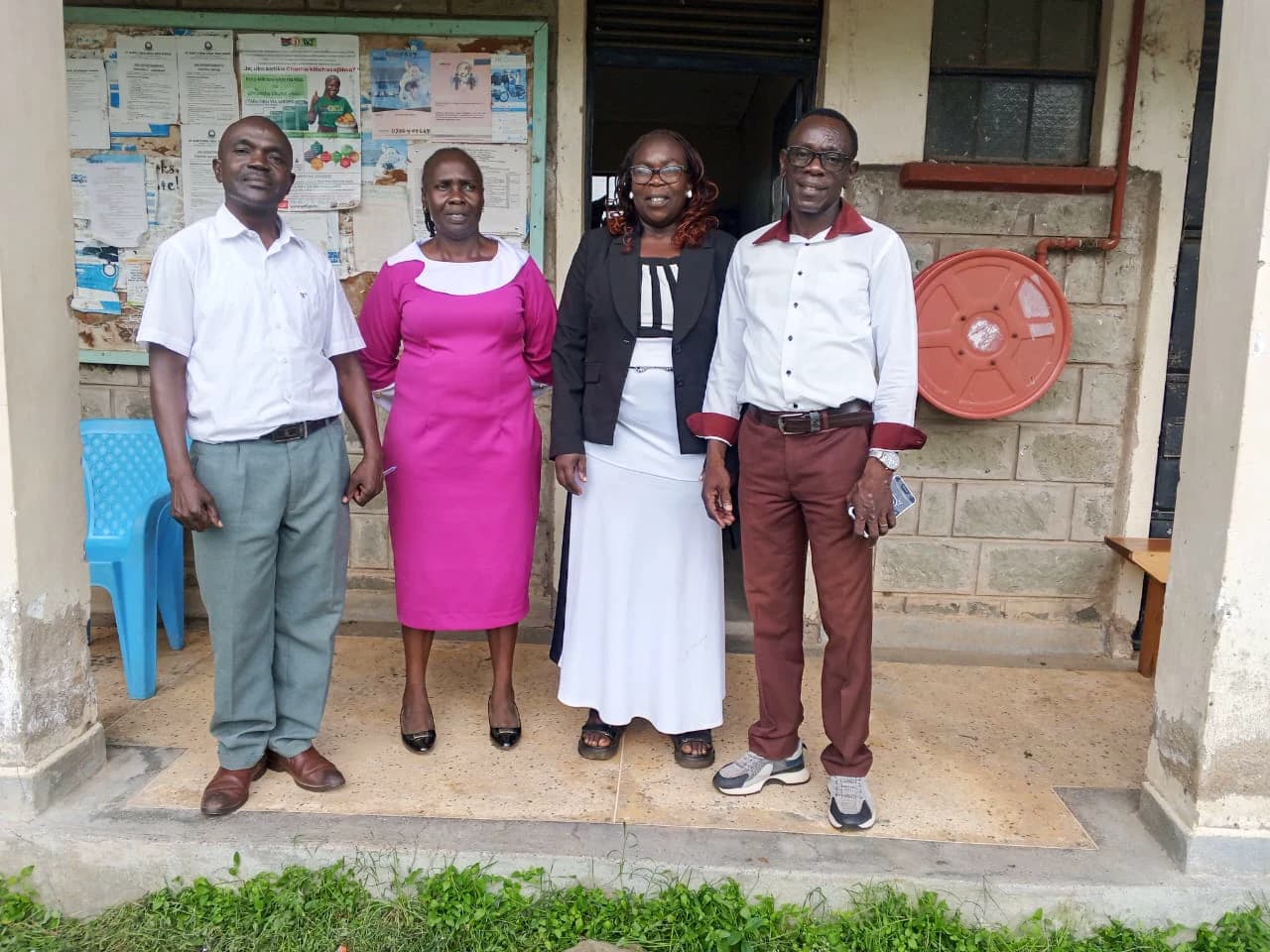
The programme received support from Rarieda Sub-County Director of Education Stanley Shitanda and the Teachers Service Commission (TSC) Sub-County Director, who paid a courtesy visit during the exercise.
Organisers credited Sub-County SNE Coordinator Aloyce Stephen Onyango for coordinating the programme, working alongside USIGU SNE Coordinator Lucy Nandi, DHOI (SNE) Beryl Ajwang Maugo, Joel Juma of Lwak Mixed and Martin Oracha Omuga Atemo.
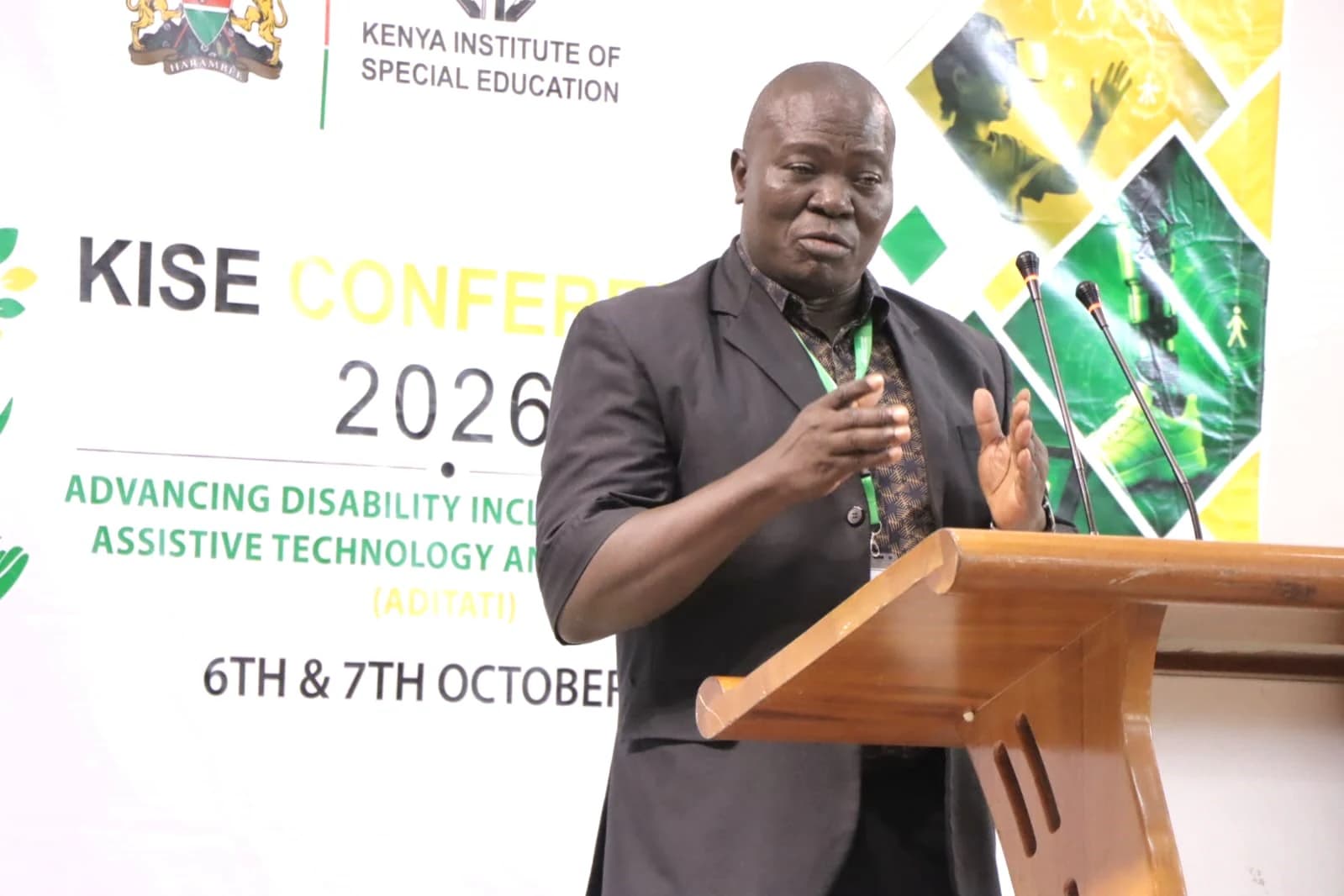
Speaking after the exercise, Mr Oracha, who is also the Rarieda Sub-County Publicity and Media Liaison Chairman, emphasised the importance of early identification and assessment of children with special needs. He urged parents and guardians not to conceal children with disabilities but to seek professional assistance.
He noted that such assessments play a critical role in determining the appropriate educational pathways, support interventions and referrals to specialised institutions.
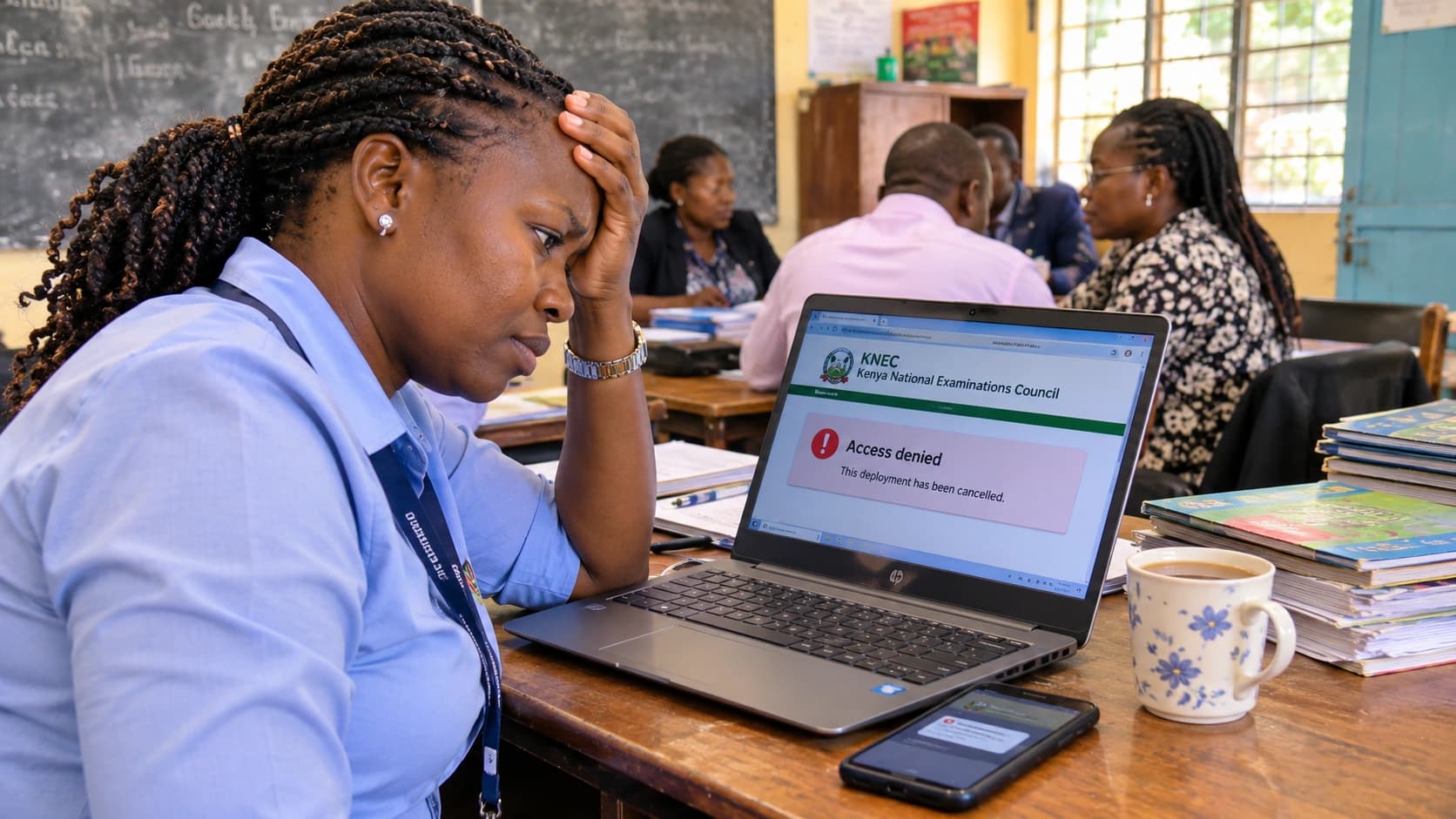
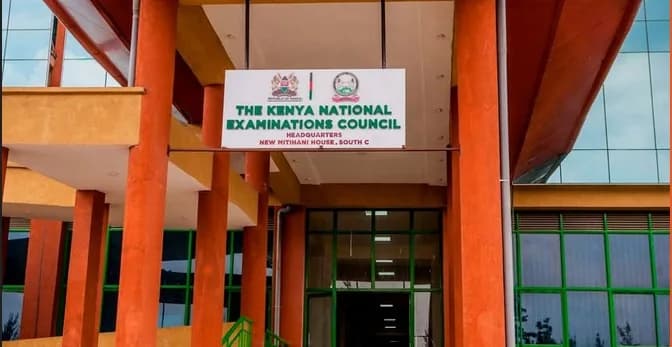
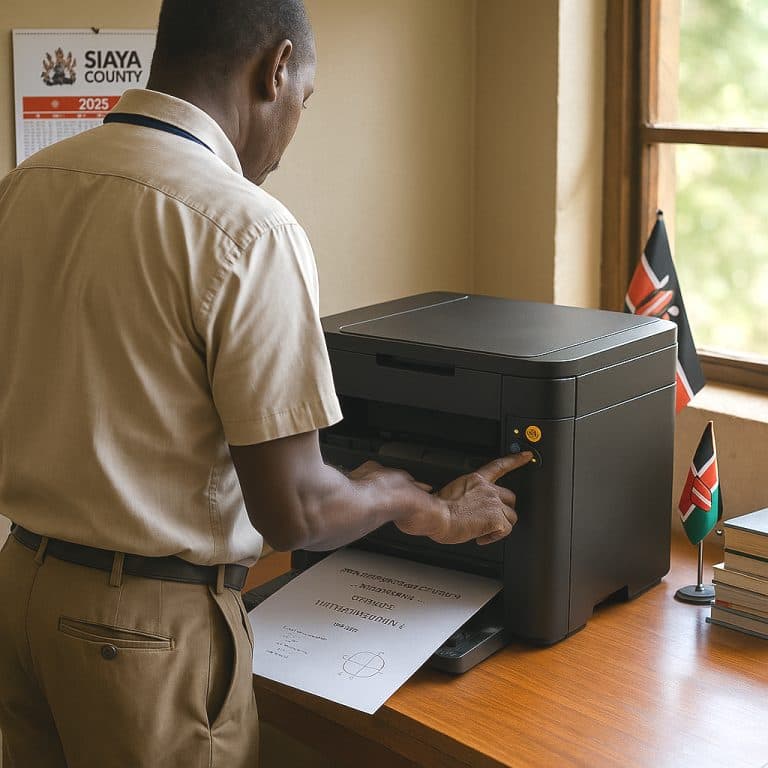
The process also helps identify candidates eligible to sit the Kenya Intermediate Level Education Assessment (KILEA) and the Kenya Pre-vocational Level Education Assessment (KPLEA), administered by the Kenya National Examinations Council (KNEC). Where necessary, medical referrals are made to Bondo and Siaya County Referral Hospitals for further evaluation.
Mr Oracha also highlighted the need to recognise the abilities of people living with disabilities, noting that with proper guidance and support, many can develop skills, become economically independent and contribute meaningfully to their families and communities.
He called for increased attention to sickle cell disease, citing his research on the condition conducted in 2016. The research was later referenced in an article titled "Parent Involvement in Education of a Child with Sickle Cell Anemia", published in the International Journal of Research and Innovation in Social Science on April 14, 2026.
He encouraged the Kenya Medical Research Institute (KEMRI) and other research institutions to intensify studies on the disease to improve understanding and support for affected individuals.
Organisers expressed satisfaction with the turnout and the progress made, saying the recommendations developed would help guide subsequent interventions.

Reader Discussion (0)
Sign in to comment