





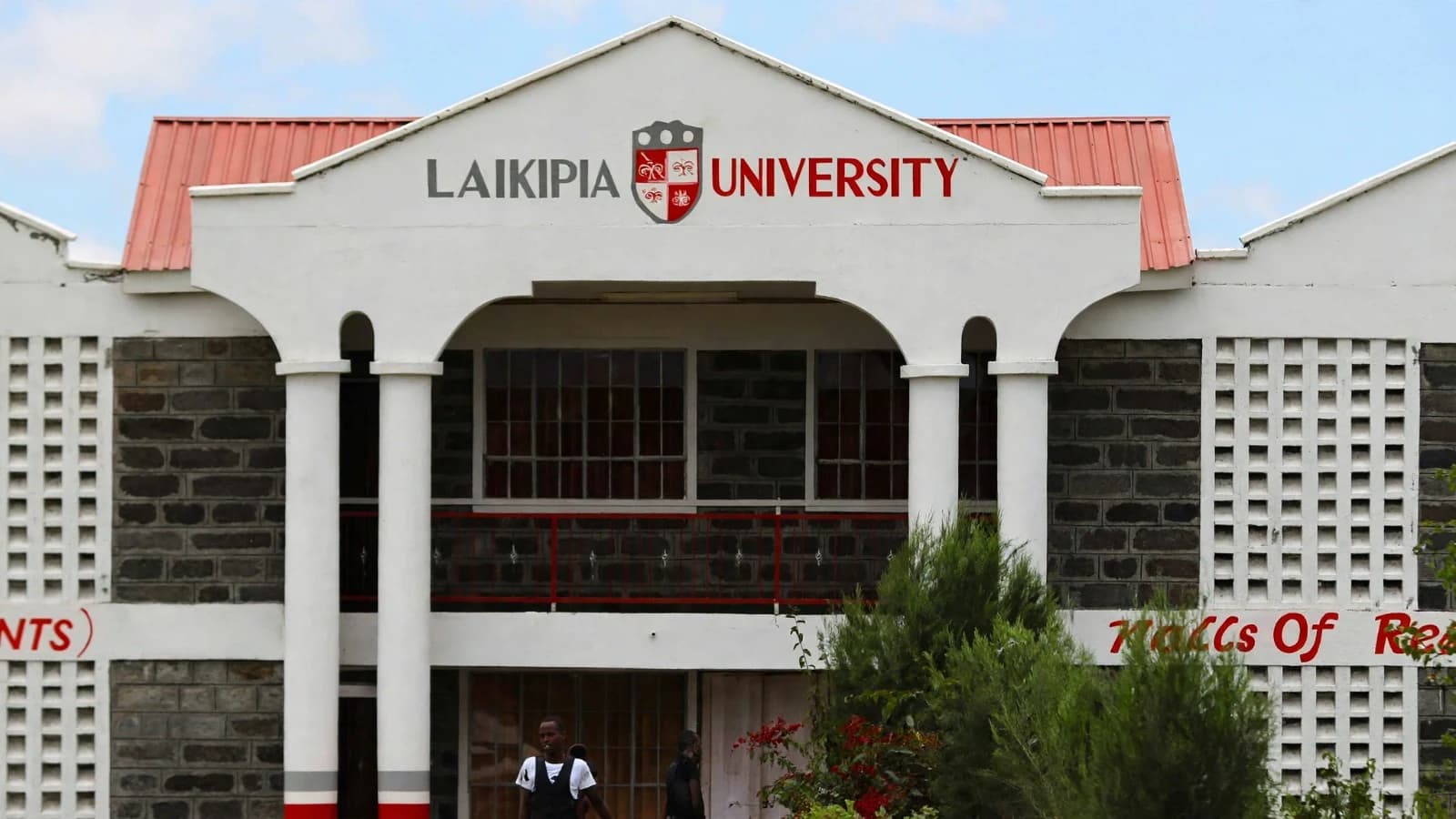


Private universities have renewed calls for the government to extend higher education funding to students at private institutions, arguing that access to financial support should not depend on a student's choice of university.
The institutions say their contribution to expanding access to higher education warrants inclusion in the national funding framework, which they argue should benefit students across both public and private universities.
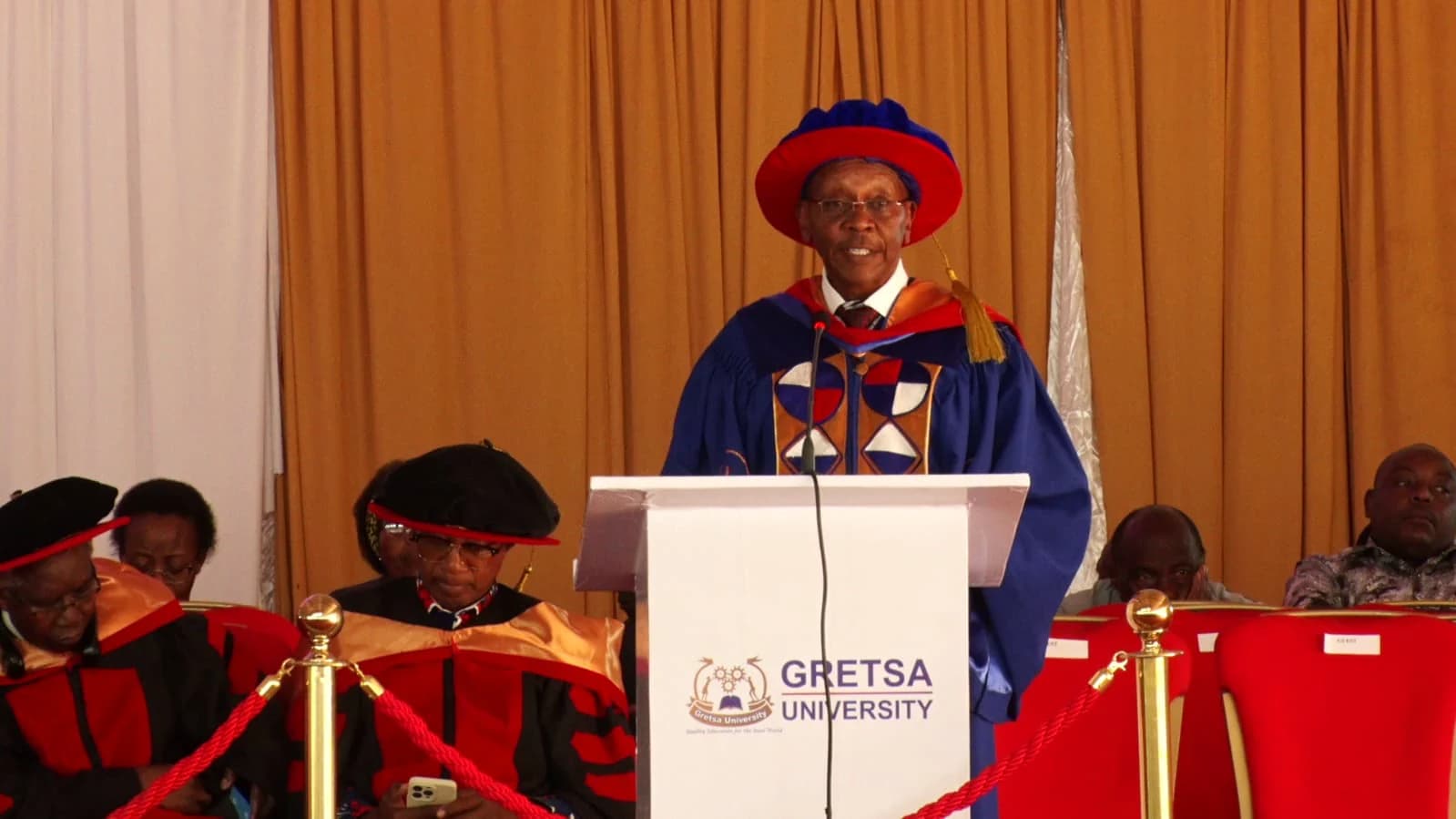
Gretsa University Board of Trustees chairman Dr Kibathi Mbugua said private institutions play a critical role in complementing public universities by providing alternative pathways to university education.
He said students at private universities should not be disadvantaged in accessing government support simply because they chose institutions outside the public university system.
“Students should not be denied access to government support simply because they choose to study in private universities,” he said.
Dr Mbugua spoke during Gretsa University's 17th graduation ceremony in Thika, where more than 800 students graduated with degrees, diplomas and certificates.
He said private universities continue to expand opportunities for learners seeking higher education, adding that their inclusion in government funding plans would help promote equitable access to university education.
The chairman also challenged universities to rethink their teaching approaches in response to the rapid advancement of Artificial Intelligence (AI), saying institutions must equip students with skills relevant to an increasingly technology-driven economy.
He urged young people to consider entrepreneurship and self-employment as viable alternatives to formal employment, warning that the growing adoption of AI could reduce opportunities in some traditional occupations.
Gretsa University Chancellor Charles Klasson echoed the call for graduates to embrace technological advancement, urging them to acquire the skills necessary to apply AI in their careers and businesses.
Klasson said although the growing use of AI has sparked fears of job losses in sectors such as banking and corporate employment, the technology also presents opportunities to improve productivity, reduce workloads and enhance efficiency.
He challenged graduates to move beyond viewing AI as a threat, saying those who understand how to use the technology effectively would be better positioned to navigate the changing labour market.
“AI offers opportunities to simplify tasks, save time and improve efficiency,” he said.
Klasson further urged universities to integrate AI into their training programmes while ensuring students retain essential skills such as critical thinking, creativity and independent decision-making.
He said institutions of higher learning must prepare graduates for a labour market where technology is increasingly reshaping business operations, recruitment and the nature of work.
The chancellor also encouraged graduates to embrace innovation and develop business skills that would enable them to identify opportunities, establish enterprises and create employment.
He said entrepreneurship would be increasingly important as young people confront a competitive job market and employers adopt technologies capable of performing tasks previously handled by human workers.
The calls come amid growing debate over the future of higher education financing and the need to align university training with the demands of a rapidly evolving economy.
The university leaders said expanding access to financial support, alongside investment in technology-driven education and entrepreneurship, would help prepare graduates for emerging opportunities while addressing challenges facing the employment sector.



Reader Discussion (0)
Sign in to comment