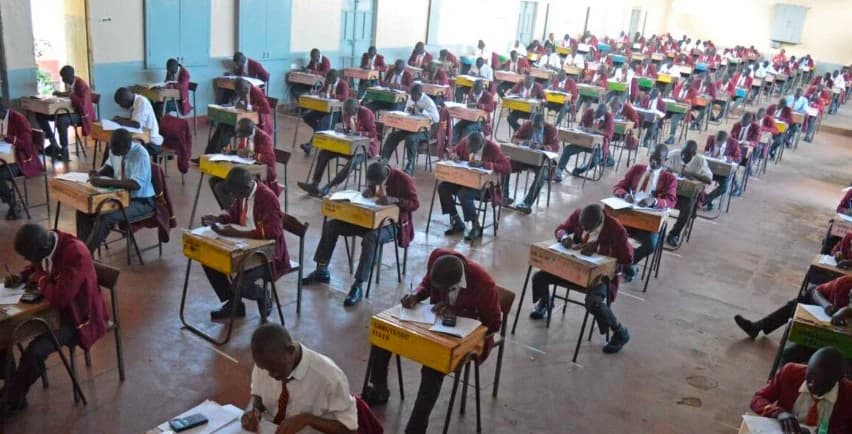
The 2026 Kenya Certificate of Secondary Education (KCSE) examinations have officially begun, with 1,048,355 candidates taking part in a nationwide exercise that places Kenya's examination management systems under renewed scrutiny.
Education Cabinet Secretary Julius Ogamba announced the commencement of the examinations and confirmed that candidates would sit their papers in more than 10,000 examination centres across the country.
The size of the candidature reflects the scale of Kenya's secondary education system and the growing responsibility on education stakeholders to ensure that every learner gets a fair opportunity to demonstrate their academic abilities. The exercise brings together thousands of teachers, invigilators, supervisors, centre managers and security personnel, all entrusted with protecting the integrity of the national assessment.
For the 1,048,355 candidates, the KCSE represents the culmination of years of learning, preparation and personal sacrifice. Beyond determining their final secondary school grades, the results will influence access to universities, technical and vocational education and training (TVET) institutions and other post-secondary opportunities.(Education News Kenya — https://educationnews.co.ke/news/logistical-test-for-moe-as-over-one-million-candidates-sit-kcse)
The examination period is therefore particularly significant for candidates, parents and teachers, given the academic and career decisions that will follow the release of results.
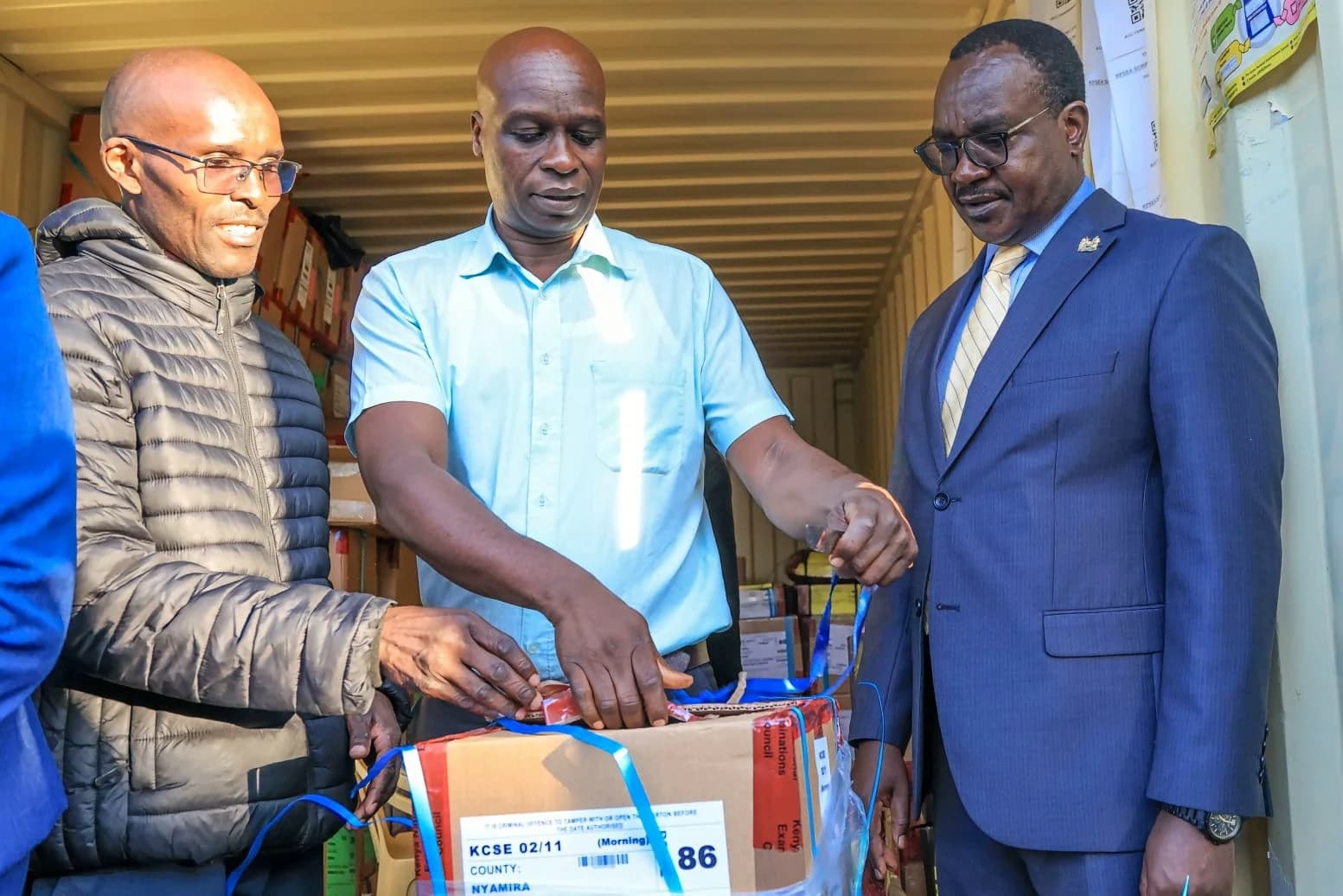
The Kenya National Examinations Council (KNEC) is coordinating the exercise, working with the Ministry of Education, the Teachers Service Commission (TSC) and security agencies. Managing an examination involving more than one million candidates requires careful coordination, from the transportation and storage of examination materials to their distribution, supervision and eventual collection.
Centre managers and examination officials are expected to maintain strict procedures throughout the exercise to prevent irregularities and ensure that all candidates sit the papers under the same conditions.
The government has continued to emphasise the need to safeguard national examinations against cheating, leakage and other forms of malpractice. The credibility of KCSE certificates depends heavily on the ability of examination administrators to maintain confidentiality, accountability and fairness throughout the process. With such a large number of candidates, the conduct of the 2026 examinations will again test the effectiveness of Kenya's examination security and management structures.
The 2026 KCSE is unfolding as Kenya continues its transition to Competency-Based Education (CBE). As the sector gradually moves towards a new curriculum structure, the KCSE remains an important assessment for learners completing the existing secondary school pathway.
The immediate focus is on ensuring that all candidates complete their examinations without disruption and that their performance accurately reflects their knowledge, preparation and abilities. The successful administration of the 2026 KCSE will be a significant measure of the country's commitment to credible examinations, educational standards and equal opportunities for learners.









Reader Discussion (0)
Sign in to comment