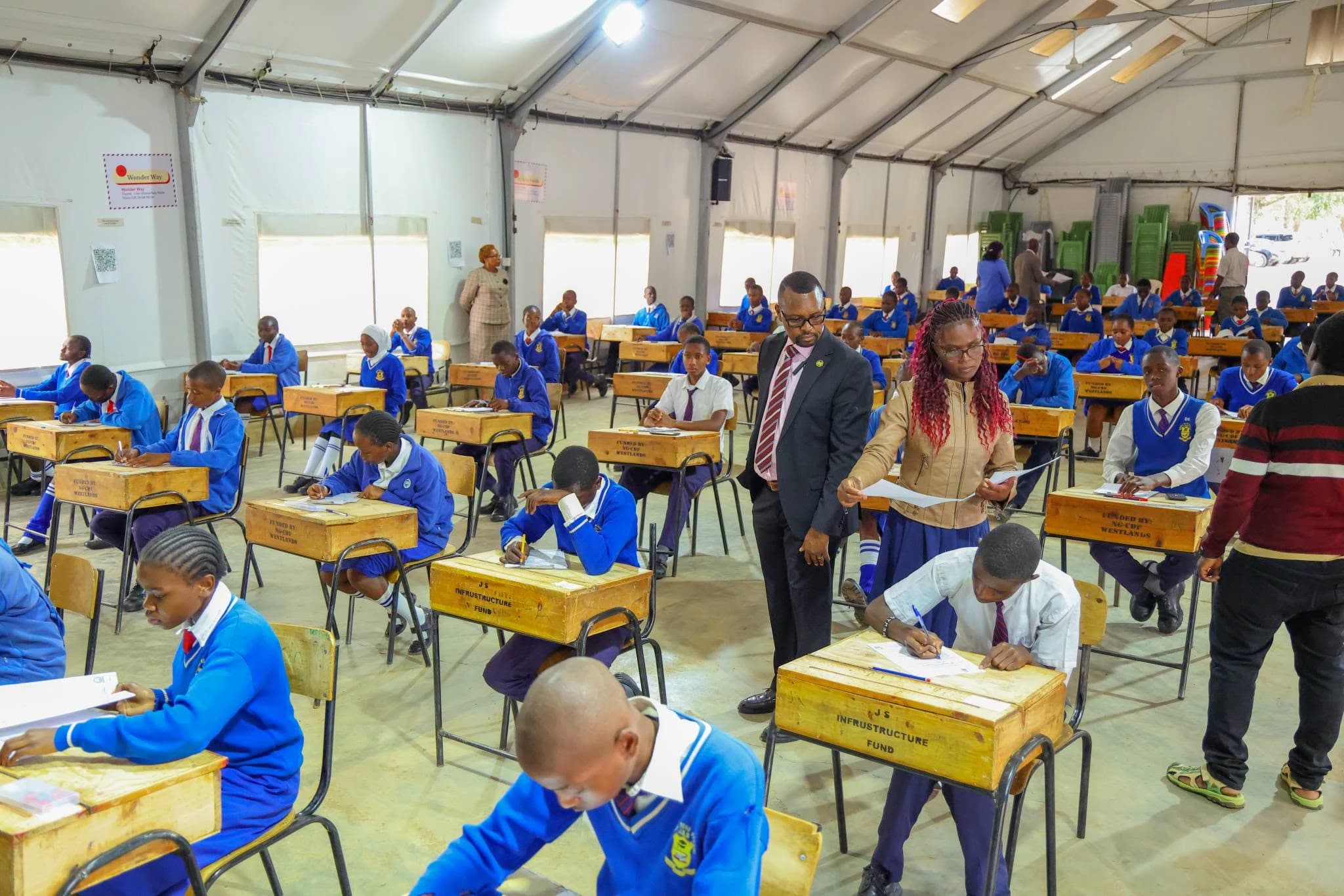









The true champions of the teaching profession are not only those who earn promotions, hold senior positions or receive awards. They are teachers who endure decades of professional demands, overcome personal and workplace challenges, preserve their health and dignity, and reach retirement with the strength to enjoy the fruits of their labour.
Behind every teacher who completes a long career lies a story that may never be told publicly. Some have worked under understanding leaders who nurtured their talents and supported their growth. Others have endured dictatorial leadership, workplace conflicts, delayed promotions, financial pressures, heavy workloads and the burden of feeling unappreciated despite years of service.
Some have taught while mourning loved ones, caring for sick relatives, struggling with medical bills or worrying about their children's school fees. Others have quietly battled exhaustion, disappointment and anxiety while keeping the composure expected of them. The next morning, they reported to school, prepared lessons, taught, marked assignments and continued shaping the future of society.
Kudos to every teacher who has endured these challenges and reached retirement age soundly. Your achievement deserves to be celebrated.
The silent battles behind the classroom door
Not every teacher who reports to school smiling is happy. Not every teacher who attends a staff meeting confidently is free from stress.
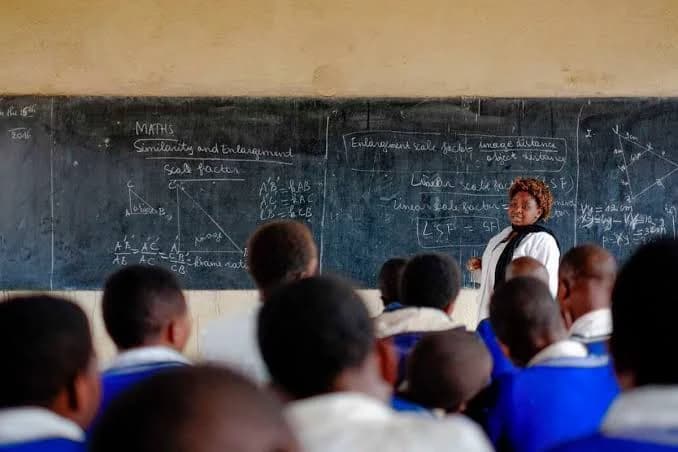
Teaching goes far beyond delivering content. Teachers prepare professional records, assess learning, implement curriculum changes, manage discipline, attend meetings and respond to learners' academic, emotional and social needs. These duties can stretch beyond official working hours and consume time meant for rest and family.
Frequent education reforms require teachers to learn new skills, sometimes without enough resources, preparation time or institutional support. In schools with congested classrooms, limited materials and inadequate facilities, the challenge is greater. When results disappoint, teachers can face criticism from administrators, parents and the community, even when outcomes are shaped by factors beyond their control.
Over the years, such pressures accumulate. Some teachers become emotionally exhausted, while others continue quietly because they fear that complaining may be read as a lack of commitment. Teachers are human beings with personal needs and limitations, and their dedication should never be measured by how much suffering they can endure in silence.
Dictatorial and understanding leaders
One of the most influential factors in a teacher's career is the leadership style of the administrators under whom they serve.
Under leaders who believe authority must never be questioned, decisions may be imposed without consultation and reasonable concerns may be treated as disobedience. Teachers may fear giving opinions or seeking clarification, and may concentrate on avoiding confrontation instead of improving teaching and learning.
However, strict leadership is not automatically dictatorial. Schools need discipline, accountability, punctuality and clear standards. The problem arises when authority becomes arbitrary, humiliating or intolerant of reasonable disagreement.
Understanding leaders recognise that teachers have different strengths and circumstances. They correct mistakes without humiliation, listen to concerns and maintain standards while treating employees with dignity. When a teacher faces bereavement, illness or a family emergency, such a leader considers the circumstances while making sure school duties are managed. A good leader does not make teachers afraid of mistakes, but helps them learn from them while remaining accountable.
A teacher who spends years under an intimidating administrator may learn to survive by staying silent, and later find the confidence to contribute ideas under a supportive principal. Teachers who become administrators should learn from these experiences instead of repeating the negative practices that once hurt them. Leadership should build people, not break them.
The staffroom: solidarity or silent suffering?
The staffroom should be a place where teachers share ideas, prepare lessons and support one another. Unfortunately, gossip, unhealthy competition, breaches of confidentiality, perceived favouritism and prolonged disagreements can undermine trust among colleagues.
A teacher may feel isolated in a room full of people, or hesitate to share an idea for fear of ridicule. Professional disagreements are inevitable. What matters is how they are managed: colleagues should be able to disagree without becoming enemies, correct mistakes without humiliation and celebrate each other's achievements without jealousy. Solidarity does not mean concealing wrongdoing. It means addressing concerns responsibly while protecting everyone's dignity.
Sometimes the colleague who seems withdrawn or unusually quiet is carrying a burden that others cannot see. A conversation, a listening ear or practical help may make a difference.
Financial pressures that follow teachers into classrooms
A teacher can be professionally competent and financially distressed at the same time. Salary deductions, loan repayments, rent, school fees, medical bills and family responsibilities can consume much of a teacher's income, and an emergency may force further borrowing. These worries do not disappear in the classroom. One teacher may be explaining a lesson while working out how to pay a child's school fees, and another may be marking assignments while wondering how to settle a medical bill.
Career frustrations add to the burden. Some teachers wait years for promotion despite gaining experience and additional qualifications, and take on more responsibility without matching recognition or pay. For those nearing retirement, outstanding loans, family obligations and inadequate savings may threaten the security they had hoped for.
Financial planning is essential, but teachers also need fair employment practices, transparent promotion processes, responsible borrowing and efficient processing of retirement benefits. A lifetime of service should not end in avoidable financial distress.
The emotional and physical cost of endurance
Teachers face bereavement, illness, marital challenges, parenting pressures and the duty to support relatives, and because they are expected to remain composed, they may hide their pain. When personal difficulties coincide with heavy workloads, financial pressure and hostile workplace relationships, the burden can become overwhelming. Persistent stress, too little rest and excessive demands can lead to exhaustion and burnout. Some teachers postpone medical appointments or keep working while unwell for fear of falling behind on the syllabus.
Dedication is admirable, but it should not require the destruction of one's health. Teachers must recognise when they need rest, medical attention or professional support, and administrators should take signs of persistent exhaustion seriously instead of reading every difficulty as a lack of commitment.
Experience should produce wisdom
Throughout their careers, teachers meet strict administrators, compassionate leaders, difficult colleagues and supportive mentors. A fair and firm leader may teach the value of punctuality and accountability, and an understanding leader may show the value of empathy and mentorship. A difficult workplace may teach a teacher to set professional boundaries, document important decisions and seek guidance. Over time, teachers can learn to tell firmness from intimidation, discipline from humiliation and accountability from personal hostility.
Surviving difficult experiences should not mean accepting mistreatment as inevitable. Teachers deserve fair procedures, respectful communication and proper channels for raising legitimate concerns. Those who become principals, deputy principals or heads of department can use their experiences to build healthier workplaces. The greatest lesson is not to become the kind of leader one once struggled under, but the kind one wished to have.
Retirement should be a reward, not another battle
A teaching career is a marathon, not a sprint. The goal should be not only to accumulate years of service and promotions, but also to preserve one's health, integrity, family relationships and peace of mind. Teachers need to manage their time, keep healthy boundaries, seek support, nurture relationships outside work and prepare financially for retirement. Education authorities and school leaders, for their part, should provide reasonable workloads, adequate resources, fair procedures, accessible healthcare and effective mechanisms for resolving grievances.
Retirement should open a dignified new chapter. Yet some retirees face declining health, debts and reduced income, and others find their savings are not enough. Preparation should begin early through careful borrowing, savings, financial advice and preventive healthcare. But personal planning alone cannot solve every retirement challenge, and the timely payment of pension benefits is equally important.
The ten-day retirement dues directive
Against this background, President William Ruto's reported directive that retirement dues be paid within ten days of retirement takes on particular significance. The principle, the writer says, speaks directly to teachers who have spent decades serving the nation: after completing their working lives, they should not face unnecessary delays in accessing benefits they have earned.
A regular salary ends at retirement, but household expenses, medical bills, loans and family responsibilities do not. Some retirees must still support children in school or university, or care for ageing relatives. Delays can turn what should be a dignified transition into a period of anxiety.
The writer says the directive raises a question of implementation: can the relevant institutions consistently turn the ten-day target into actual payments? Announcing a target is an important step, but its success must be measured by whether retirees receive their dues within the promised period. That requires clear procedures, accurate records, efficient coordination between institutions and transparent communication with retiring teachers.
Timely retirement payments are not a favour to teachers. They are a matter of dignity, financial security and respect for a lifetime of public service.
Kudos to the finish line
To the teacher who has endured decades of demanding workloads, difficult leadership, workplace misunderstandings and financial pressure, we salute you. To the one who has kept serving learners despite grief, family responsibilities and discouragement, your contribution matters. To the one who has refused to repeat the negative behaviour once experienced at work and has led with fairness and understanding, your example is worth emulating. And to every teacher who has reached retirement age with health, dignity and peace of mind sufficiently intact to enjoy life beyond the classroom, congratulations.
To teachers still in service, may you find the strength to persevere without neglecting your health, the wisdom to handle workplace challenges without losing your peace, and the foresight to prepare for a dignified retirement. To school leaders, remember that the teachers you supervise are human beings who deserve fairness, respect and understanding. To the education system, the welfare of teachers must remain a priority, because the profession that shapes generations must also protect those who shape them.
The greatest champion is not necessarily the teacher who rises to the highest office, but the one who serves faithfully, navigates adversity, preserves integrity and reaches retirement with the strength to enjoy the fruits of a lifetime of service. Kudos to the teachers who made it to the finish line. You have earned your rest, your respect and your flowers while you can still appreciate them.


Reader Discussion (0)
Sign in to comment