




The Kenya Institute of Special Education (KISE) is stepping up efforts to promote inclusive education through the development of locally manufactured assistive technology solutions designed to improve learning, accessibility and independence among persons with disabilities.
On Friday, KISE leadership reviewed progress in the development of innovative assistive devices at the institute’s Assistive Devices Factory, reaffirming its commitment to producing affordable, durable and locally adapted technologies that respond to the diverse needs of learners with disabilities.
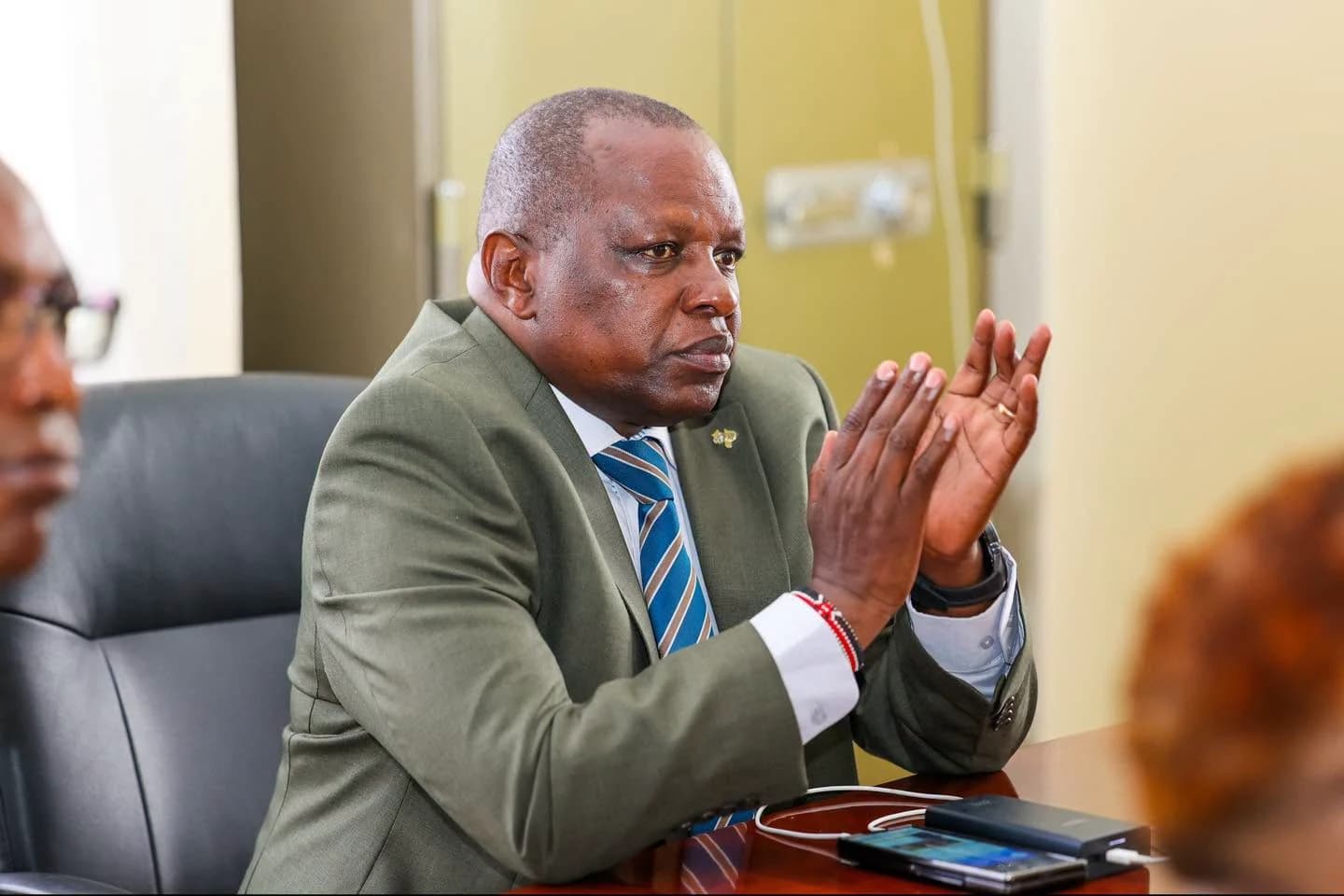
The review meeting was led by KISE Director Dr. Norman Kiogora, accompanied by Deputy Director of Programmes Dr. Lynett Ong’era and Deputy Director of Finance and Administration Mr. Anthony Mwangi.
The team engaged production engineers to assess prototype development and manufacturing processes, with particular emphasis on affordability, durability and alignment with curriculum requirements.
Among the innovations under development are communication devices, including Augmentative and Alternative Communication (AAC) Talking Buttons and customised trilingual software supporting Kiswahili, English and Kenya Sign Language (KSL).
The solutions are expected to enhance communication for non speaking learners, individuals with complex communication needs and Deaf KSL users.
KISE is also developing visual support technologies, including Cerebral Visual Impairment (CVI) Light Boxes and Low-Vision Reading Stands, aimed at improving visual learning, reading posture and classroom participation among learners with visual impairments.
In the area of tactile learning and assessment, the institute is working on 3D Spatial Manipulatives and eye-gaze technology to support hands on learning and provide alternative assessment opportunities for children with severe motor limitations.
The institute is also advancing mobility and navigation solutions through locally adapted aluminium folding wheelchairs and smart white canes equipped with obstacle and water detection features. These innovations are intended to improve safety, mobility, school accessibility and independent navigation.
KISE stated that the innovations are being driven by continuous research, engineering design and targeted pilot testing to ensure the technologies are practical, affordable and suitable for the local education environment.
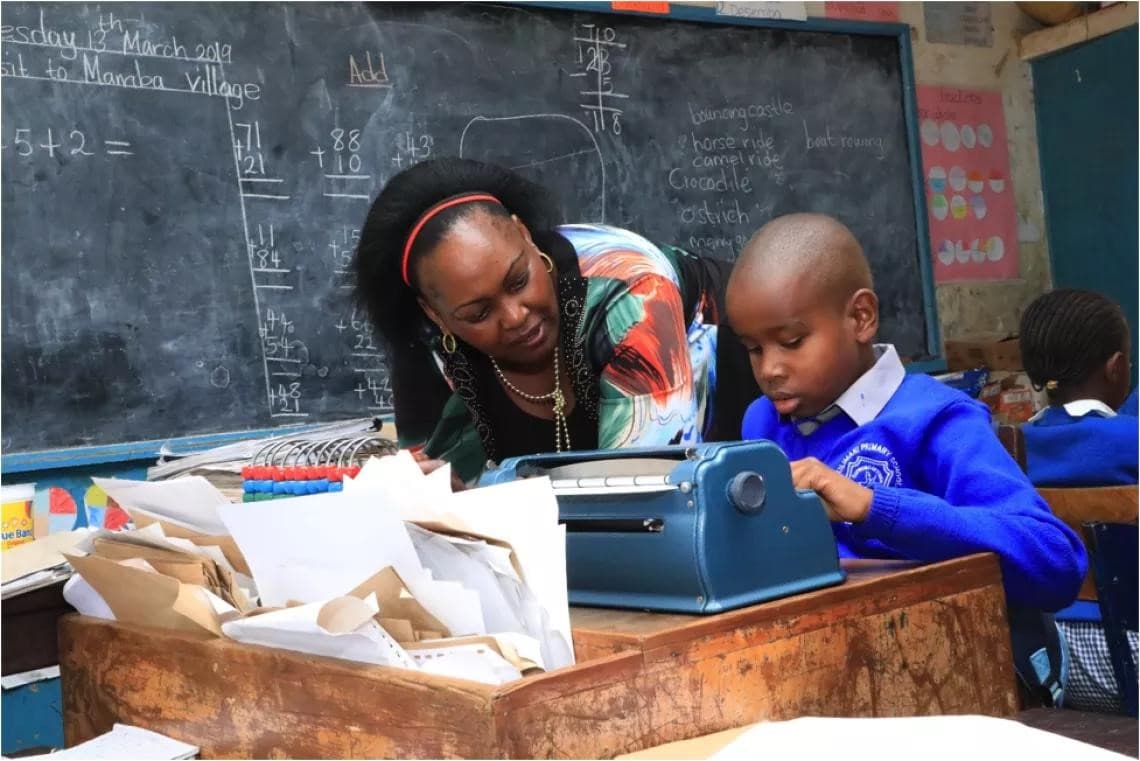
Through local innovation and manufacturing, KISE aims to make assistive technologies more accessible while empowering learners with disabilities to participate meaningfully in education and society.


Reader Discussion (0)
Sign in to comment