
Kenya is moving to embed digital literacy and artificial intelligence (AI) education into the Competency-Based Education (CBE) framework, in a move aimed at equipping learners with skills needed in an increasingly technology-driven economy.
The Information and Communications Technology Authority (ICTA) has invited eligible consulting firms to help develop strategies for integrating digital literacy into the school curriculum under the World Bank-funded Kenya Digital Economy Acceleration Project (KDEAP).
In a tender notice dated Tuesday, October 13, 2026, the authority called on qualified firms to express interest in supporting the government’s efforts to strengthen digital skills among learners, with particular emphasis on gender-inclusive approaches that ensure both boys and girls benefit from emerging technological opportunities.
The initiative signals a growing recognition that digital competence must become an integral part of education rather than remain an additional skill acquired outside the classroom.
Artificial intelligence enters education reform agenda
ICTA has identified experience in developing artificial intelligence curricula as one of the requirements for firms seeking the consultancy, reflecting the increasing importance of AI in education, employment and economic development.
Applicants must demonstrate experience in similar assignments, providing details of previous clients, project scope, contract value and implementation periods.
The authority has also stipulated that interested firms must be registered consulting companies with education as their core business for at least five years.
The successful consultant will have 40 calendar weeks from the commencement of the contract to complete the assignment.
The consultancy is expected to help establish practical approaches for incorporating digital literacy into the curriculum, although the tender announcement does not, by itself, establish the precise content, grade levels or implementation timetable for the proposed changes.
CBE and the need for practical digital competencies
The proposed integration comes as Kenya continues to implement CBE, which places emphasis on developing learners’ knowledge, skills, values and competencies through practical learning experiences.
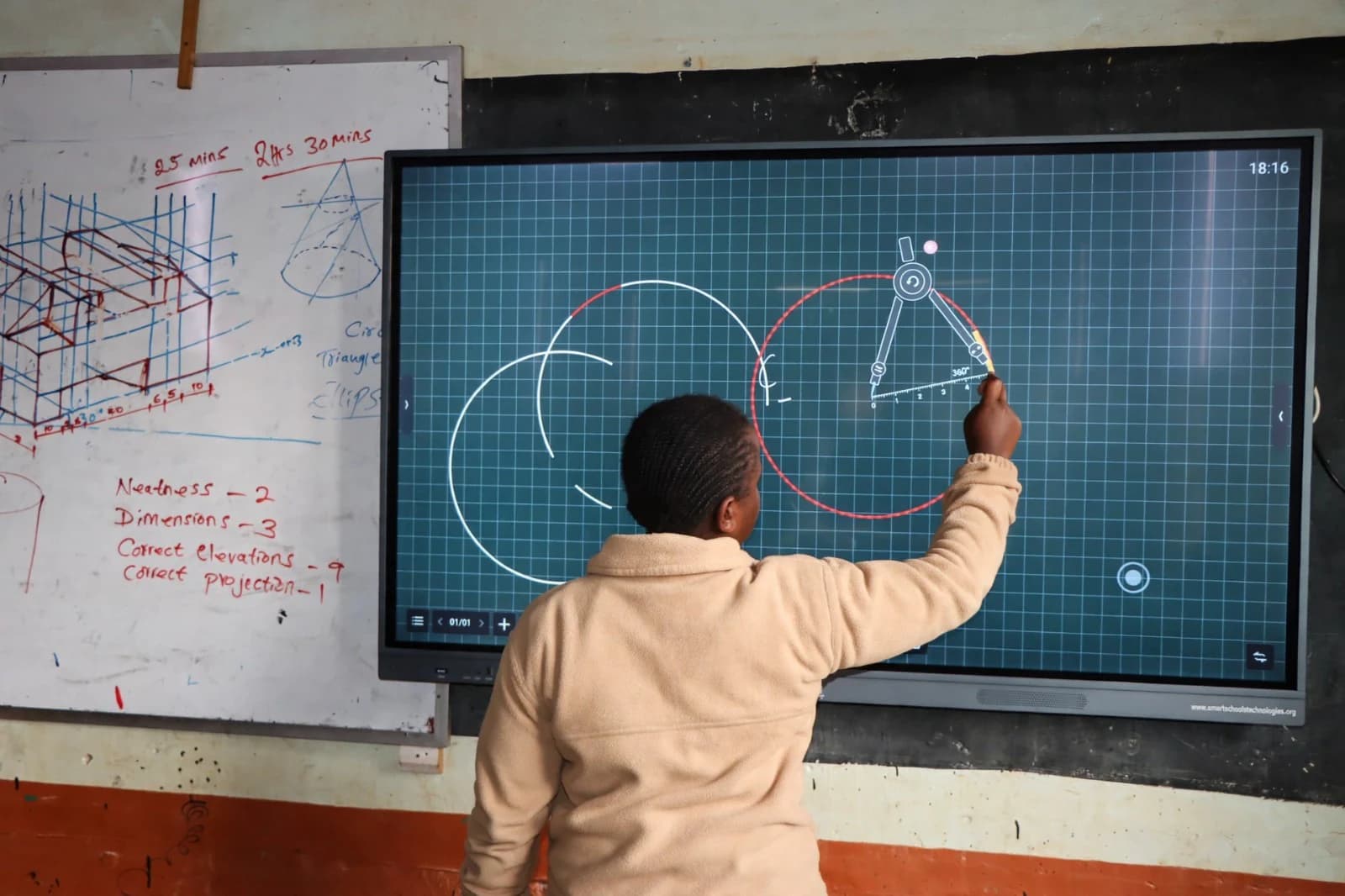
Digital literacy can complement this approach by enabling learners to use technology to research information, communicate, solve problems, create digital content and participate responsibly in online environments.
As learners progress from early childhood education through primary school, junior school and senior school, appropriately structured digital learning can help them develop competencies suited to their respective stages of development.
At the foundational level, this may involve age-appropriate exposure to digital devices and safe technology use. Older learners can progressively engage with digital research, computational thinking, coding, data literacy and introductory artificial intelligence concepts.
However, successful integration will depend on more than curriculum design. Schools will require reliable electricity, internet connectivity, suitable devices, trained teachers, relevant learning materials and technical support.
Without these enabling conditions, digital literacy risks benefiting learners in well-equipped schools disproportionately, widening existing educational inequalities.
The government will therefore need to align curriculum development with investment in school infrastructure, teacher capacity and equitable access to digital resources.
Gender inclusion in the digital economy
The emphasis on gender-responsive strategies also raises an important question about equal participation in technology-related learning.
Both boys and girls need opportunities to develop digital competencies, explore artificial intelligence and acquire skills that could support future careers in science, technology, engineering and mathematics.
Gender inclusion should therefore translate into practical classroom interventions that identify and address barriers to participation, rather than simply provide equal access on paper.
Teachers will be central to this process. Their preparation must enable them to support learners with different abilities, backgrounds and levels of exposure to technology while ensuring that digital learning does not disadvantage children from underserved communities.
The approach should also accommodate learners with disabilities and those in remote areas, where access to devices, electricity and connectivity may be limited.
Implementation will determine the project's impact
Through KDEAP, the government is pursuing broader digital access and skills development to support Kenya’s expanding digital economy.
Embedding digital literacy into CBE could strengthen the connection between classroom learning and the competencies increasingly required in higher education, vocational training and the labour market.
Artificial intelligence education could also help learners understand not only how emerging technologies work but also their limitations, ethical implications, responsible use and potential impact on society.
Nevertheless, the success of the initiative will depend on translating policy ambitions into accessible and effective learning experiences across schools.
The 40-week consultancy period provides a defined timeframe for the assignment, but curriculum integration, teacher preparation, infrastructure development and nationwide implementation will require coordinated planning.
For CBE, the central test will be whether digital literacy becomes a practical competency that learners can demonstrate rather than merely another subject area introduced in policy documents.
If implemented equitably, the initiative could help prepare Kenyan learners to participate more confidently in a digital economy increasingly shaped by artificial intelligence and technological innovation.


Reader Discussion (0)
Sign in to comment