









Self-explanation is a study strategy in which learners explain information in their own words to understand how and why something works. This is a departure from simply reading, memorising, or copying notes. Meaning, in self-explanation, learners ask questions, connect new information to existing knowledge. They explain the meaning of concepts, facts, processes, as well as solutions. The main idea in this study strategy is: do not just ask, “What have I learnt?” Instead, ask, “Why is this true, how does it work, and how can I explain it to someone else?”
Therefore, self-explanation is a stupendous study strategy because it turns passive reading into active understanding. When they use it, learners pore over concepts, explain them in their own words, ask why and how questions, check their reasoning, practise recall, and apply what they have learnt. For it to work well, it is advisable to combine it with other study strategies such as active-recall, spaced-repetition and practising questions. You can also rely on flashcards for revision of information.
Origin of Self-Explanation
Somewhat, self-explanation became an important topic in educational psychology and cognitive science due to longitudinal research on how learners understand complex information. Michael T. H. Chi and collaborators: Conducted influential research in 1989 depicting that learners who explained worked examples to themselves developed deeper understanding than learners that merely depended on reading. Subsequent research strove to explore how self-explanation helps learners to point out gaps in knowledge, connect ideas, and correct misunderstandings. In sum, self-explanation is closely related to: Constructivist Learning, Metacognition and Elaborative Learning. Meaning, it is a study strategy anchored in research. However, its effectiveness depends on the quality of explanation and the learning task.
Wise Use of Self-Explanation While Studying
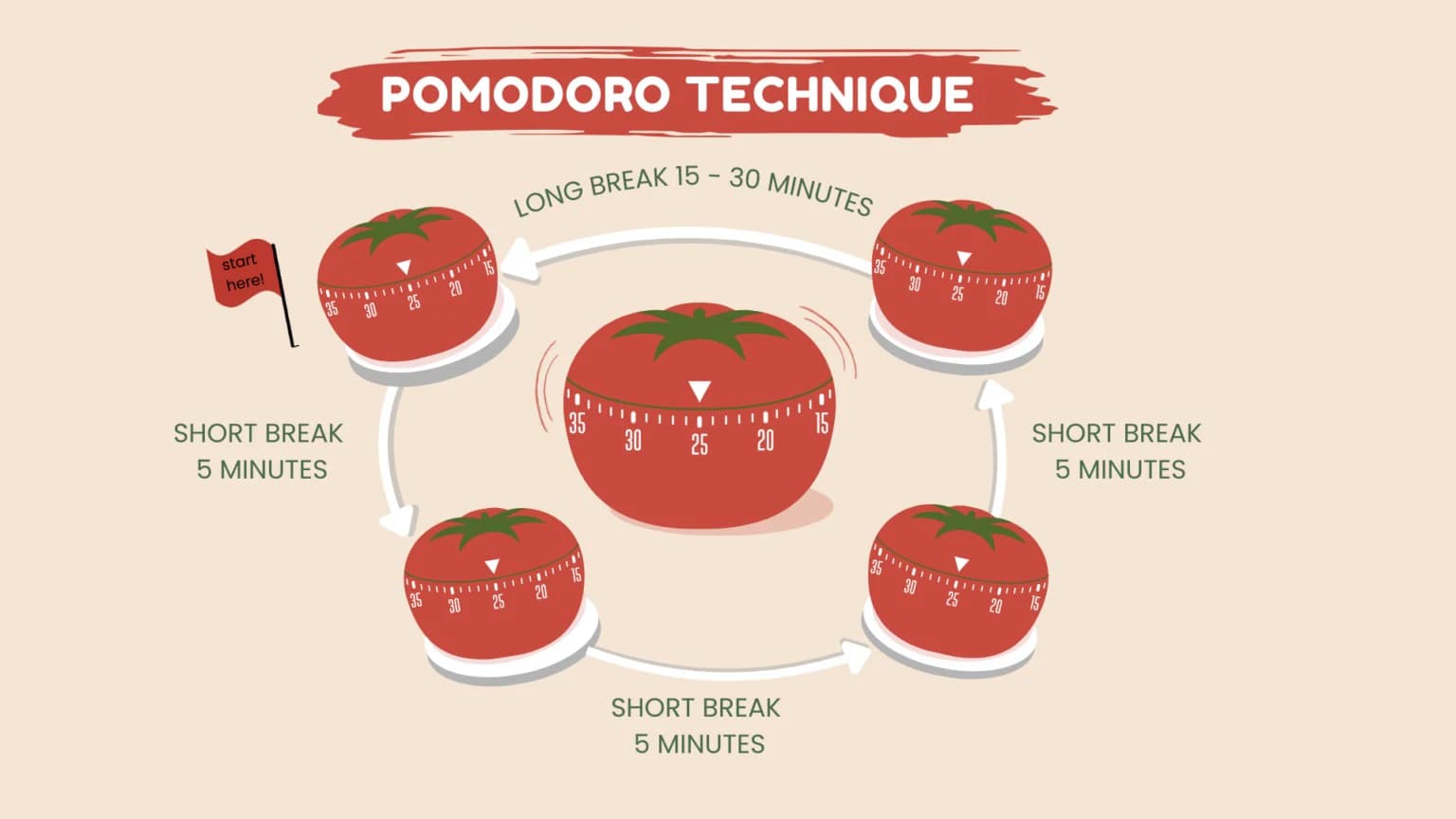
A useful routine for a 30-minute study session can work this way: (1) Read for 5 minutes. Focus on studying a small section of the topic. (2) Explain for 10 minutes. Explicate main ideas in your own words, and justify important steps. (3) Check for 5 minutes. Identify inaccuracies and missing information. (4) Recall and supply for 10 minutes. Close the book, explain again, and answer practice questions. More importantly, become flexible with time. Spend more time on difficult concepts, and less on familiar material.
Comparing Self-Explanation with Other Study Strategies
In the self-explanation strategy, learners explain why and how something works. In the active-recall strategy, learners retrieve information from memory without looking at the source. In the Feynman strategy, learners focus on explaining a topic simply, often as if teaching a beginner, in line with the Protégé Effect. In the elaborative-interrogative strategy, learners ask why a fact or statement is true. In the summarisation strategy, learners condense main ideas into fewer words. In the practising questions strategy, learners apply knowledge while answering questions or solving problems. Therefore, these manifold strategies can work when welded well. For instance, a learner can answer a question from memory, explain the reasoning behind the answer, and then check the textbook for mistakes.
Mistakes to Shun While Using Self-Explanation
Avoid simply repeating the textbook. So, change the wording and explain the meaning. Avoid explaining without understanding. So, check the source whenever you are not sure. Avoid skipping the “why”. So, explain the reasons behind facts, processes and steps. Avoid studying too much at once. So, work through manageable sections. Avoid assuming fluency means mastery. So, test yourself without looking at your notes. Avoid ignoring errors. So, correct misunderstandings as soon as you discover them.
Benefits of Self-Explanation
Finally, self-explanation deepens understanding when learners explain how and why ideas work. Self-explanation improves memory when learners create meaningful connections between ideas. Self-explanation assists students to identify knowledge gaps when there is manifestation of concepts the learner faces difficulties to explain. Self-explanation hones critical thinking skills in learners because it encourages analysis, reasoning and questioning. Self-explanation hones problem-solving skills in learners because, by employing it, learners understand the logic behind every step taken. Self-explanation enhances independent learning, self-drive or initiative in learners. So, it reduces dependence on teachers or study partners. Self-explanation boosts metacognition because it assists learners in monitoring what they understand as well as what they do not. Self-explanation assists students to prepare to sit and write exams, as it improves their ability to explain concepts in written answers.
Victor Ochieng’ rolls out talks and training services in schools. He speaks to students about useful Study Strategies, Skills, Methods, habits, and Techniques. vochieng.90@gmail.com. 0704420232



Reader Discussion (0)
Sign in to comment