High Court Quashes ECDE-Primary Teacher Training Merger, Restoring Separate Pathways for Early Childhood Teachers
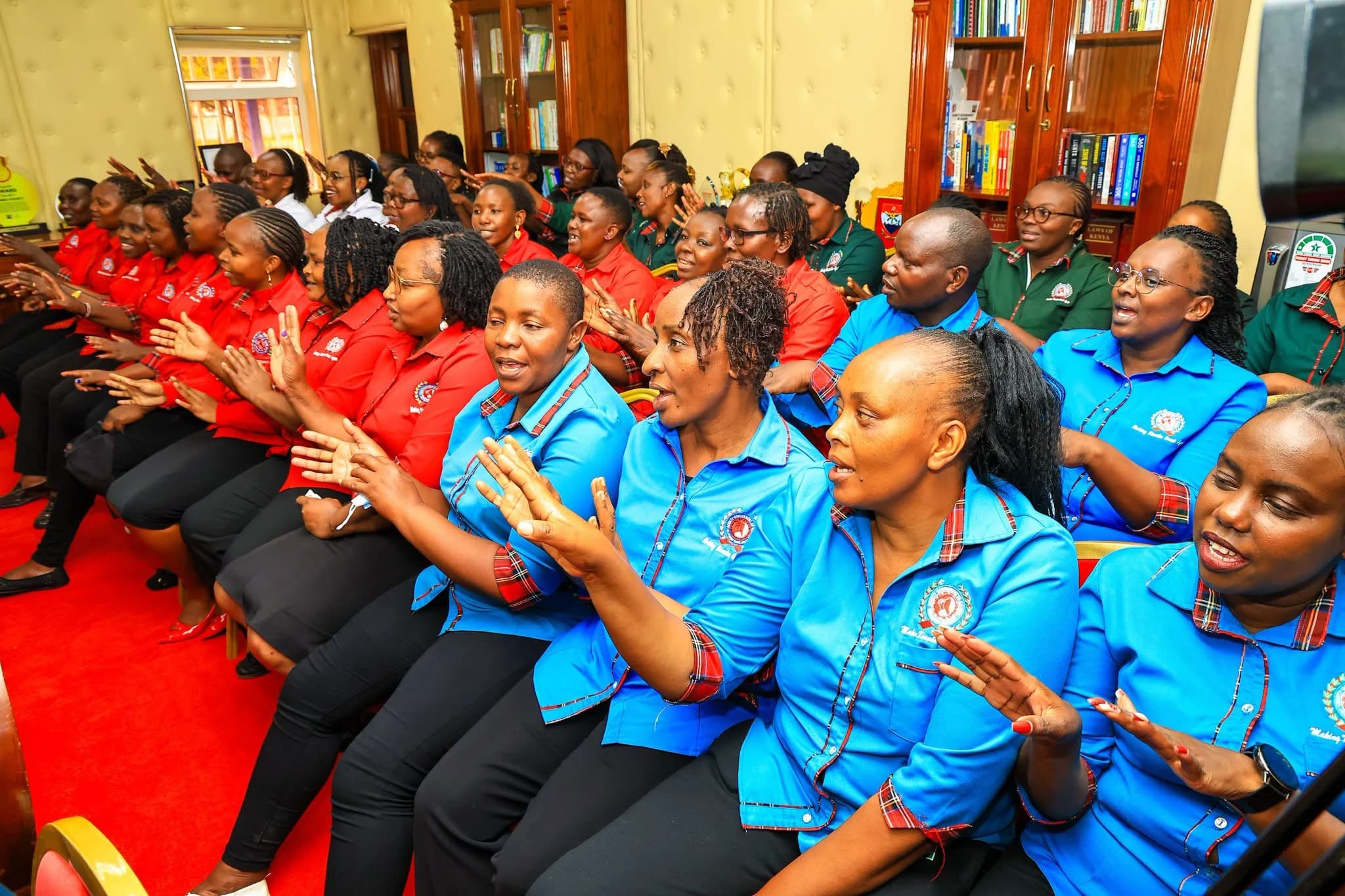
Early Childhood Development Education (ECDE) teachers across Kenya have welcomed a High Court decision nullifying a Ministry of Education circular that sought to merge their specialised teacher training programme with primary teacher education.
The judgment, delivered on Thursday, November 19, 2026, overturned the directive after the court found that public participation was not demonstrated. It has been received as a major victory by early childhood educators who feared that consolidating the two programmes would weaken professional specialisation and undermine the distinct identity of ECDE teaching.
For many teachers, the decision is more than the reversal of an administrative directive. They see it as an affirmation that early childhood education deserves specialised training, recognition and a place within Kenya's wider education system without being absorbed into another professional pathway.
Judge Patricia Mande declared the circular unconstitutional and quashed it on January 19, 2026, after finding that the Ministry had failed to provide documentary evidence that adequate public participation took place before the policy was introduced. The ruling followed a legal challenge by the Kenya Union of Pre-Primary Education Teachers, which opposed the merger and questioned the process through which the government introduced the changes.(Education News Kenya — https://educationnews.co.ke/news/ecde-teachers-hail-landmark-victory-as-high-court-restores-separate-training-pathways)
The controversy began when the State Department for Basic Education announced the consolidation of the Diploma in Early Childhood Teacher Education (DECTE) and the Diploma in Primary Teacher Education (DPTE). Under the January directive, the two qualifications were to be replaced by a unified Diploma in Teacher Education – Pre-Primary and Primary (DTE PP & P).
The Ministry also discontinued the Upgrade Diploma in Early Childhood Teacher Education (UDECTE), instructed the Kenya National Examinations Council (KNEC) not to register candidates for DECTE and UDECTE assessments and directed colleges to offer the new qualification on a full-time basis. School-based training was suspended, and new admissions and approvals for the discontinued programmes were halted.
The changes immediately raised concerns among ECDE teachers, trainees and training institutions, particularly those who had invested time and resources in specialised early childhood qualifications. Opponents argued that early childhood education could not simply be treated as an extension of primary education, because teaching young children requires distinct competencies, pedagogical approaches and an understanding of childhood development.
In its defence, the Ministry maintained that it had conducted extensive nationwide consultations and engaged relevant stakeholders before introducing the merger. Judge Mande found that the government had not presented reports or records to substantiate those claims.
She emphasised that public participation is a constitutional obligation under Article 10 and cannot be reduced to a symbolic exercise undertaken merely to fulfil a procedural requirement. She also recognised that the national government has constitutional authority to formulate education policies under Article 186 and the Fourth Schedule, but said that authority must be exercised within constitutional safeguards.
The court found that the policy lacked the constitutional foundation necessary to sustain it and ordered its nullification. The judgment challenges the manner in which the merger was introduced and does not remove the national government's general authority to formulate education policy.
At the heart of the celebrations is the question of professional identity. ECDE teachers have long advocated recognition of early childhood education as a specialised field requiring dedicated training and professional development.
Their work goes beyond introducing children to basic classroom instruction. It involves understanding developmental stages, nurturing social and emotional growth, promoting early literacy and numeracy, supporting learning through play and preparing children for the transition into primary education. Although ECDE and primary education are interconnected, their professional demands are not identical, and a teacher preparing a four-year-old for foundational learning needs specialised competencies that cannot automatically be equated with those needed to teach older primary school learners.
Opponents of the merger have maintained that harmonising teacher education should not come at the expense of professional specialisation, and the decision strengthens the position of those advocating for distinct ECDE and primary teacher education pathways.
The ruling also has implications for the relationship between national education policy and county government responsibilities. Pre-primary education is a devolved function, with county governments responsible for its administration and the employment of ECDE teachers, while the national government retains responsibility for education policy and national standards. Primary school teachers are managed through the Teachers Service Commission (TSC).
The distinction makes the merger more than a question of combining academic units. It touches on professional management, employment structures, recruitment, career development and the recognition of qualifications.
The judgment has also created an urgent administrative question for the Ministry of Education and KNEC. The first cohort enrolled in the consolidated DTE PP & P programme sat national assessments between October 27 and November 5, 2026. The trainees followed the government's prescribed programme, and the authorities will need to clarify the status of their examinations, certification and future professional recognition.
There are equally important questions about the resumption of DECTE and UDECTE admissions, KNEC registration and the position of colleges that previously offered the specialised programmes. The quashing of the circular removes the legal basis for enforcing its restrictions, but clear transitional arrangements are still necessary.
Any fresh attempt to reform teacher training will need meaningful consultation with ECDE teachers, unions, county governments, TSC, KNEC, the Kenya Institute of Curriculum Development and teacher training institutions. There is room to harmonise aspects of teacher education without eliminating the specialised pathways required at different learning levels, for example through shared foundational training alongside specialised programmes.
The ruling is a reminder to policymakers that reform cannot rest on merging institutions, qualifications or professional pathways through administrative directives alone.











Reader Discussion (0)
Sign in to comment