
County governments have called for changes to proposed education laws to safeguard their constitutional mandate over early childhood education and vocational training.
The Council of Governors (CoG) told the National Assembly Education Committee that several provisions in the seven Education Reform Bills require strengthening to clarify the responsibilities of national and county governments and prevent duplication of functions.
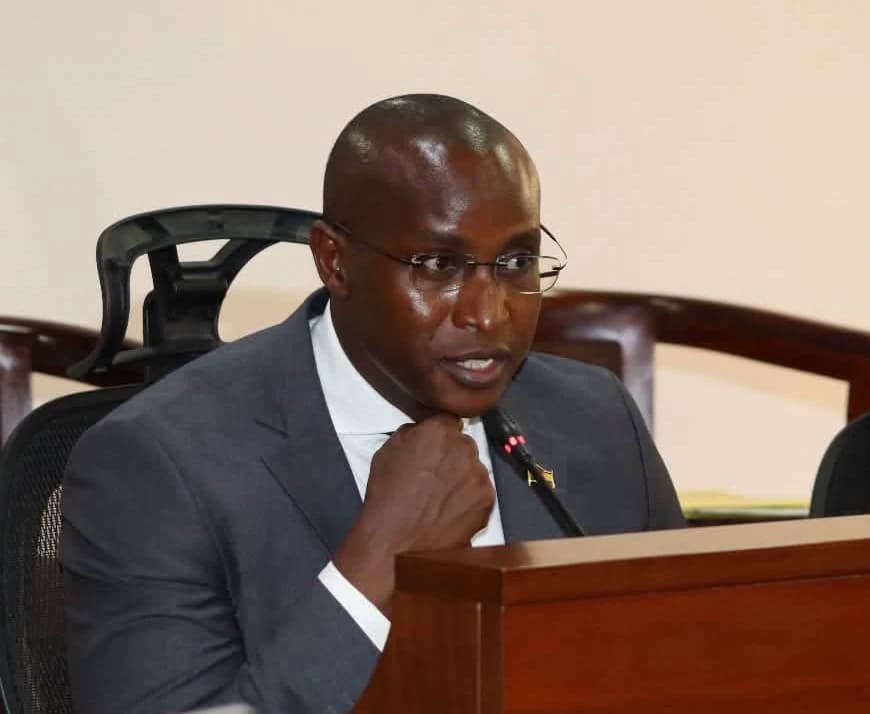
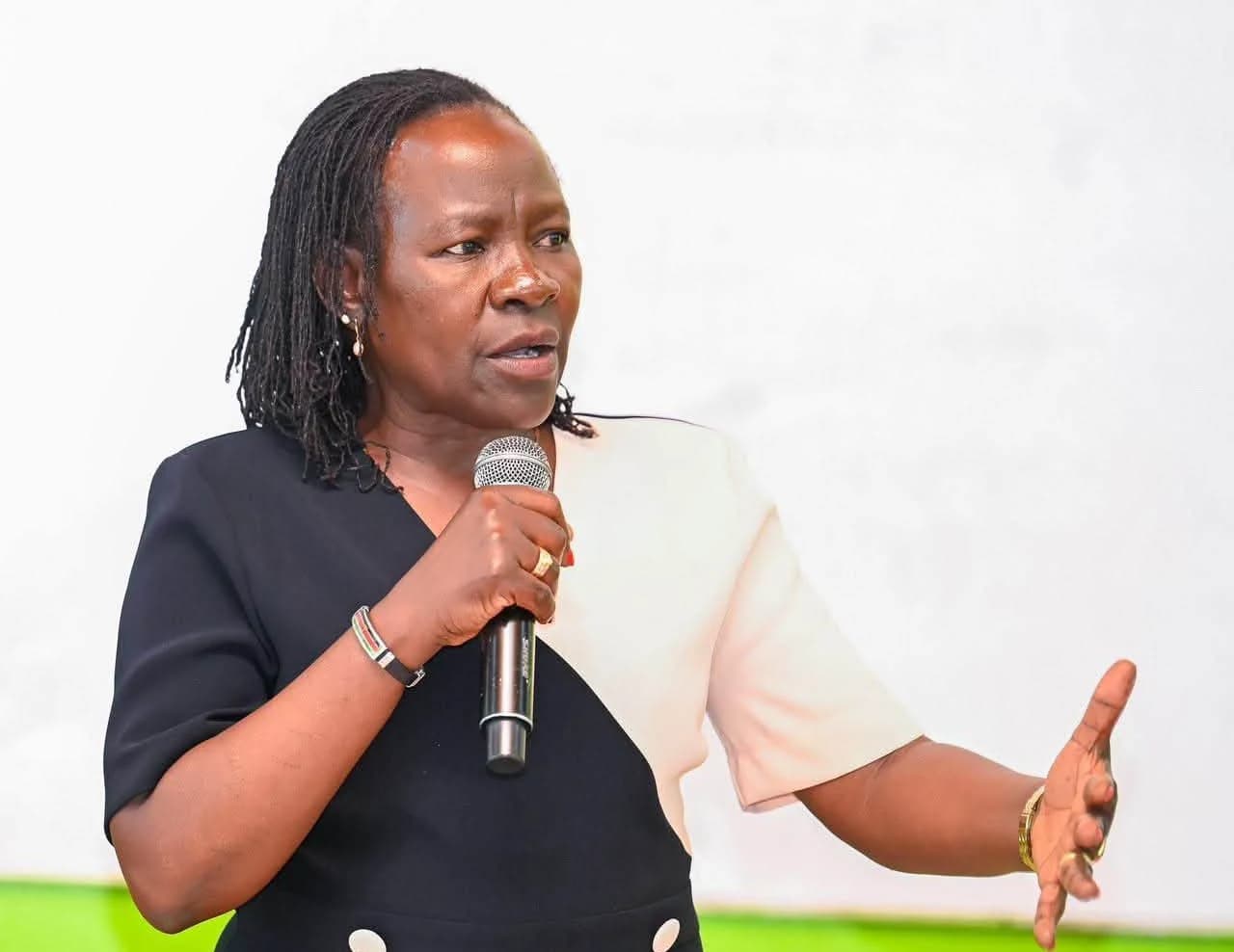
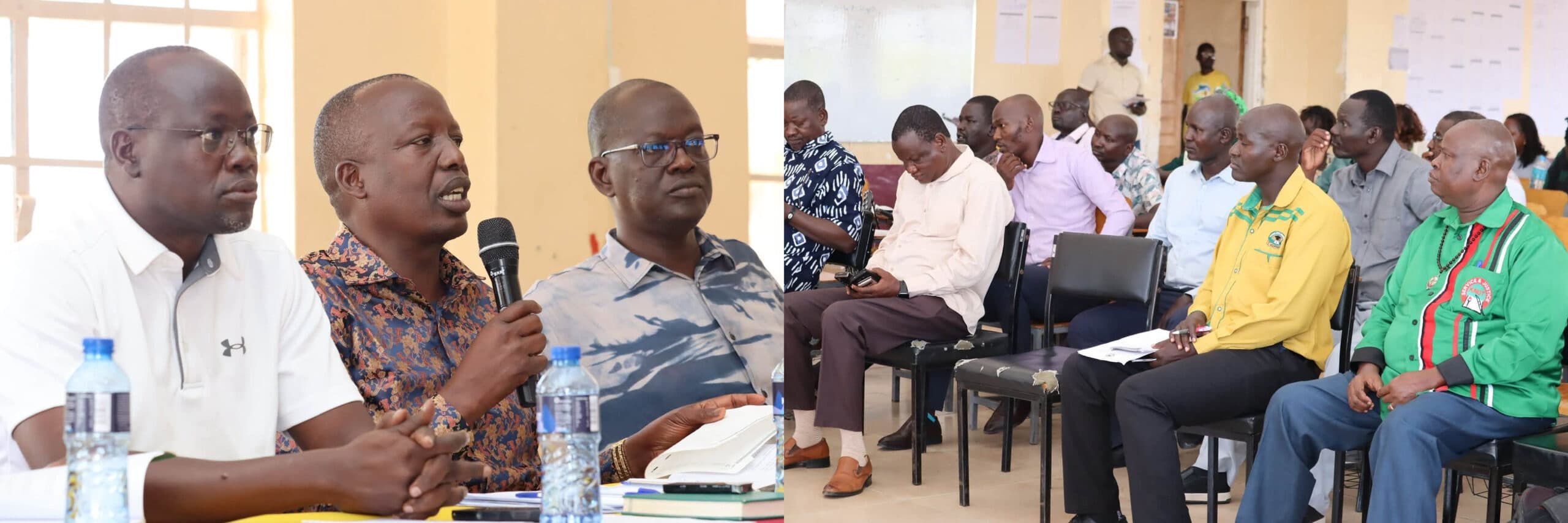
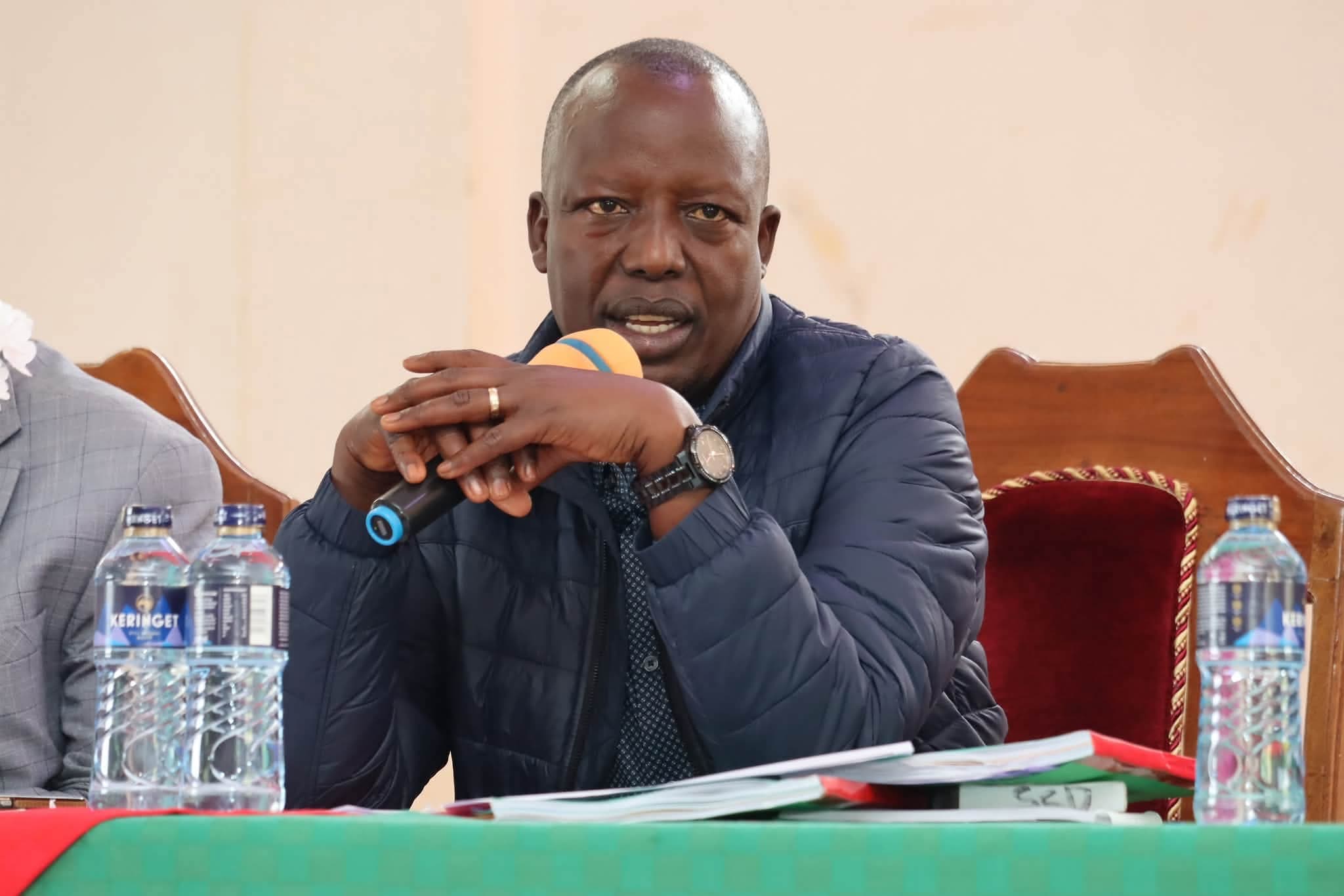
Appearing before the committee in Machakos on Thursday, Kericho Governor Eric Mutai said the Basic Education Bill, 2026, fails to adequately recognise pre-primary education as a critical component of the basic education system.
Mr Mutai, who chairs the CoG Education Committee, said the proposed law should clearly outline the responsibilities of county governments in managing, registering and supervising early childhood education institutions.
He argued that counties should also be given clear responsibilities in infrastructure development, quality assurance and service delivery in pre-primary institutions. The governor warned that failure to address the gaps could undermine the effective management of early childhood education, a function constitutionally assigned to county governments.
The council also raised concerns over the Kenya National Educational Assessments Council Bill, 2026, saying its provisions should explicitly incorporate pre-primary learners into the national assessment framework. According to Mr Mutai, excluding this level could create gaps in monitoring learning outcomes and quality assurance across the basic education cycle.
On the Tertiary Education, Placement and Funding Bill, 2026, the governors called for clear recognition of county government responsibilities, particularly in Early Childhood Development Education (ECDE) and vocational training. They urged Parliament to establish clear governance structures, financing arrangements and coordination mechanisms to ensure the proposed legislation respects the devolved system of government.
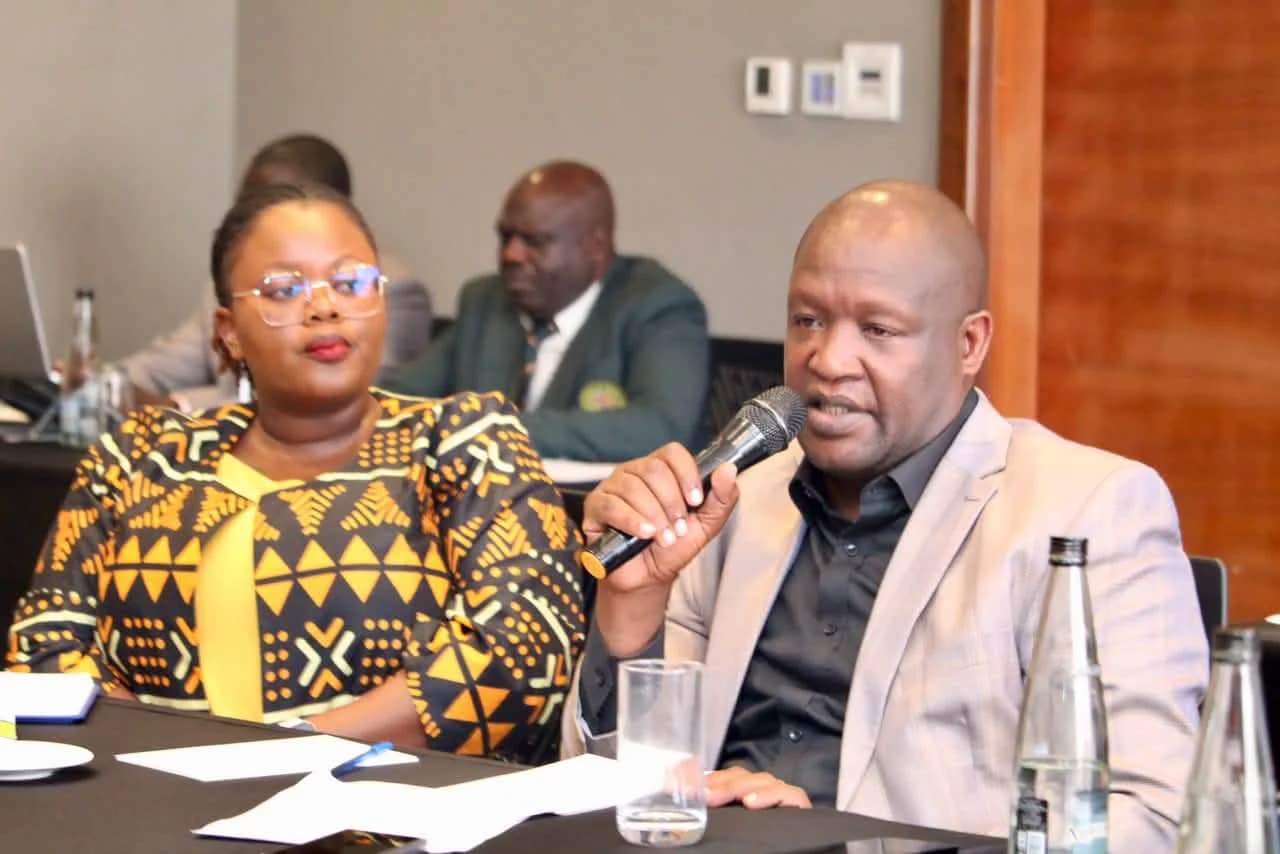
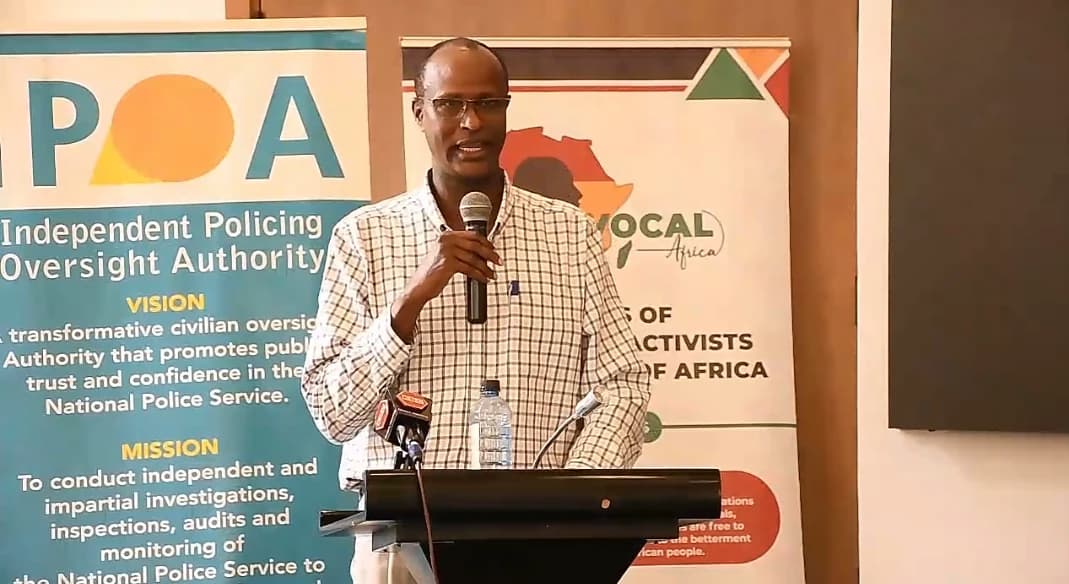
The submissions came as the committee concluded consultations on the seven proposed education reform Bills, with the CoG and the Kenya Secondary School Heads Association (KESSHA) the final stakeholders to present their views. KESSHA National Chairman Willie Kuria led the association's delegation.
The committee, chaired by Tinderet MP Julius Melly, had earlier held public participation forums across all 47 counties to collect views from the public and education stakeholders.
It will now retreat to prepare its report before presenting it to the National Assembly for debate. The proposed reforms are expected to shape the governance, assessment, placement and financing of education in Kenya.
Reader Discussion (0)
Sign in to comment