






- Parliament has proposed amendments to the TSC Act that would allow deregistration of teachers who sexually exploit learners for grades or material benefits.
- The Bill has outlined additional offences, including romantic relationships with learners, exposure to pornography and supplying illicit drugs to students.
- The proposed law has remained subject to parliamentary debate and could be amended before it is enacted.
Teachers who trade academic grades, pocket money or other school benefits for sexual favours could be struck off Kenya’s professional register under a proposed overhaul of the law governing the teaching profession.
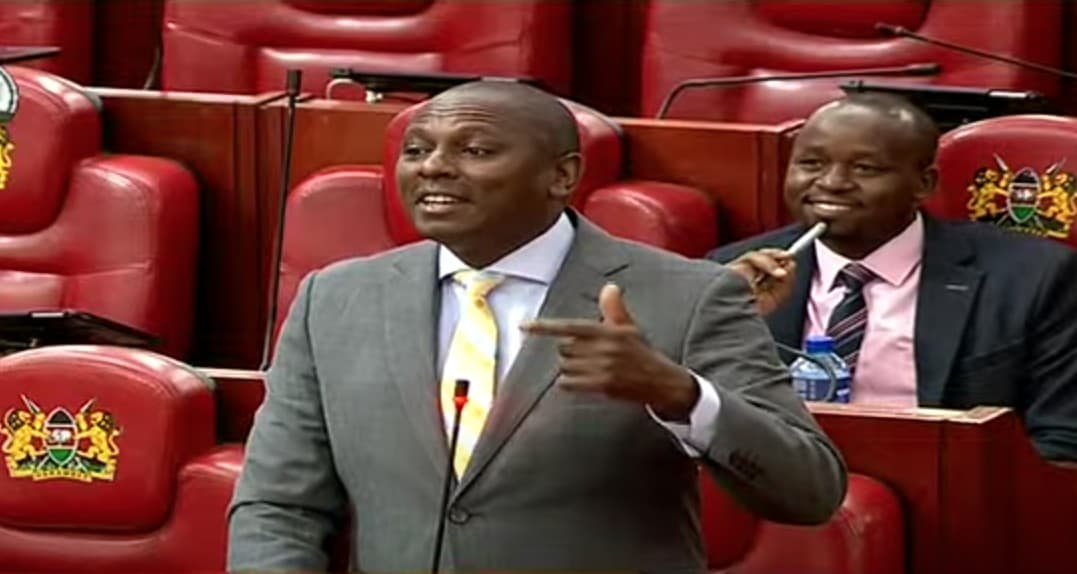
The Teachers Service Commission (Amendment) Bill, 2026, sponsored by National Assembly Majority Leader Kimani Ichung’wah, seeks to specifically recognise sexual exploitation as an offence that could lead to deregistration of a teacher.
The proposed law targets teachers who abuse their authority over learners by demanding or accepting sexual acts in exchange for academic or material benefits. The conduct covered would include seeking sexual favours in return for better grades, pocket money, school fees, learning materials, food, shelter, gifts or protection from punishment. The proposal also targets the involvement of learners in producing, accessing or distributing pornographic or sexually explicit material.
If enacted, the provisions would give the Teachers Service Commission a clearer statutory basis for dealing with cases in which teachers exploit the dependency and vulnerability of learners for sexual purposes. The proposed changes come on top of existing professional disciplinary provisions covering immoral behaviour and sexual misconduct involving learners.
The Bill further proposes disciplinary action against teachers who enter into romantic relationships with learners, expose learners to pornography, facilitate immoral conduct or supply learners with illicit drugs and psychotropic substances. Other proposed professional offences include cyberbullying, forgery, chronic absenteeism, negligence, insubordination and misuse of institutional resources.
ALSO READ:
https://educationnews.co.ke/kisii-university-student-dies-after-fatal-fall-from-elimu-centre-building/
A Sharper Line on Professional Responsibility
The proposed sexual-exploitation provision places the teacher’s position of authority at the heart of the issue. Teachers control or influence critical aspects of school life, including assessment, discipline and access to educational opportunities. The proposed law seeks to reinforce the principle that this authority must never become a bargaining tool for sexual or personal gain.
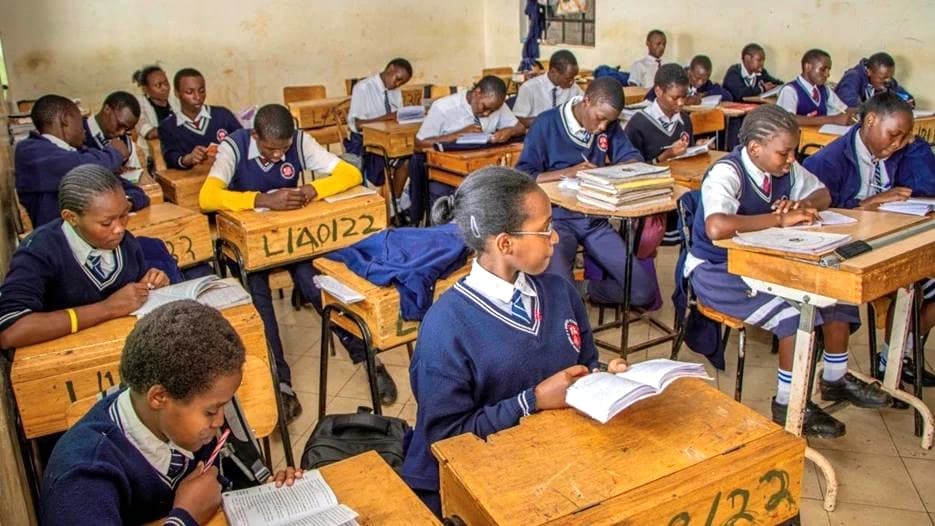
For learners, the implications extend beyond the classroom. A pupil or student who depends on a teacher for marks, food, school materials or protection may be particularly vulnerable to coercion. Making such conduct an explicit professional offence would therefore place greater emphasis on prevention, reporting and institutional accountability. Schools would also face the responsibility of ensuring that learners have safe and accessible mechanisms for reporting suspected abuse and that complaints are handled without intimidation or retaliation.
ALSO READ: UoN retains top spot in Kenya in 2027 Times Higher Education World University Rankings
The proposed measures should not, however, be treated as existing law. The Teachers Service Commission (Amendment) Bill, 2026, must undergo parliamentary debate and consideration before becoming law, and its provisions could therefore be amended during the legislative process.
The central issue is nevertheless clear: the proposed framework seeks to draw a firmer professional boundary around the relationship between teachers and learners, particularly where academic authority, material dependence and sexual exploitation intersect. For Kenya’s education system, the debate is ultimately not only about deregistering offenders. It is about ensuring that the classroom remains a place where learners can seek knowledge, assessment and support without being forced to exchange dignity or safety for educational opportunities.
By Hillary Muhalya
Get more stories from our website: Education News
To write to us or offer feedback, you can reach us at: editor@educationnews.co.ke
You can also follow our social media pages on Twitter: Education News KE and Facebook: Education News Newspaper for timely updates.
>> Click here to stay up-to-date with trending regional stories



Reader Discussion (0)
Sign in to comment