- MPs are pushing to extend statutory maternity leave from three months to six months, alongside a review of paternity leave entitlements.
- Teachers currently enjoy more favourable terms than the statutory provision, with female teachers entitled to 120 days of paid maternity leave and male teachers to 21 days of paternity leave under TSC policy.
- Lawmakers say any new national leave policy would need to be harmonised with existing TSC and collective bargaining arrangements governing the education sector.
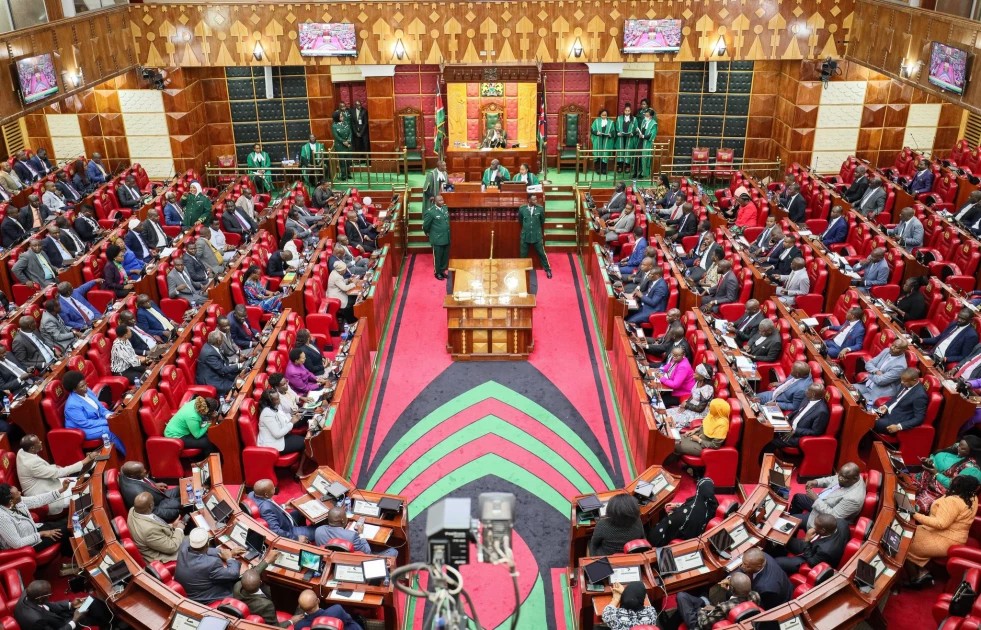
Members of Parliament are pushing for an extension of maternity leave from the current statutory three months to six months, in a move that could give new mothers more time to recover from childbirth and care for their newborns.
The proposed reforms would also seek to review paternity leave, with lawmakers arguing that the current period should be increased to give fathers more time to support mothers and participate in the early stages of child care. The proposals have renewed debate on Kenya’s parental leave policy, particularly on whether the existing provisions adequately respond to the health, welfare and child-care needs of modern families.
Under Section 29 of the Employment Act, female employees are currently entitled to three months, or 90 days, of maternity leave with full pay. However, teachers are already enjoying more favourable terms under the Teachers Service Commission’s leave policy. Female teachers are entitled to 120 days of paid maternity leave, while male teachers receive 21 days of paid paternity leave. The changes were introduced through the teachers’ collective bargaining agreement and subsequently implemented by the TSC. The proposed six-month entitlement would therefore represent a further expansion of leave for teachers, as well as other workers currently covered by the statutory 90-day provision.
The campaign for longer maternity leave is expected to focus on the welfare of mothers and babies, with proponents arguing that the first months after childbirth are critical for recovery, breastfeeding, bonding and establishing proper child-care arrangements. Supporters of the proposal also say a longer leave period would allow mothers to return to work when they are physically and emotionally better prepared, while reducing the pressure on families to arrange child care at a very early stage of a child’s development.
ALSO READ:
DIG Masengeli sues USIU-Africa over delayed PhD dissertation results
The question of paternity leave is also being brought into focus. While the Employment Act provides for paternity leave for male employees, MPs want the period reviewed to allow fathers to spend more time with their partners and newborn children. For teachers, the current 21-day paternity leave entitlement is already longer than the statutory provision for many other workers, with the TSC’s arrangement allowing male teachers to take the 21 days with full benefits during their spouses’ maternity leave.
The debate is also likely to highlight the different leave arrangements that apply to various categories of public employees. Lawmakers will have to consider how any changes to the Employment Act would interact with collective bargaining agreements and employment policies governing sectors such as education. The proposal comes at a time when parental responsibilities are increasingly being viewed as a shared responsibility between mothers and fathers, rather than an obligation that falls largely on women. Proponents of longer leave argue that fathers require sufficient time to support mothers during post-delivery recovery, particularly where mothers experience complications or where families have limited access to affordable child-care services.
The proposed reforms, if formally adopted, would require changes to the existing legal and administrative framework governing employment leave. They would also have financial implications for employers, particularly in sectors where employees would be away from work for extended periods. For teachers, any new national policy would have to be harmonised with the leave provisions administered by the TSC and negotiated through the established labour relations framework involving teachers’ unions.
ALSO READ: Ruto unveils plan to merge HELB and KUCCPS in major higher education funding overhaul
The push for six months of maternity leave is therefore likely to generate significant debate among Parliament, employers, workers’ representatives and policymakers as Kenya considers how best to balance employees’ family responsibilities with workplace productivity and service delivery. The ultimate objective, proponents say, should be a parental leave system that protects the welfare of mothers and children while giving fathers a meaningful opportunity to participate in early child care.
By Jeff Kirui
Get more stories from our website: Education News
To write to us or offer feedback, you can reach us at: editor@educationnews.co.ke
You can also follow our social media pages on Twitter: Education News KE and Facebook: Education News Newspaper for timely updates.
>> Click here to stay up-to-date with trending regional stories