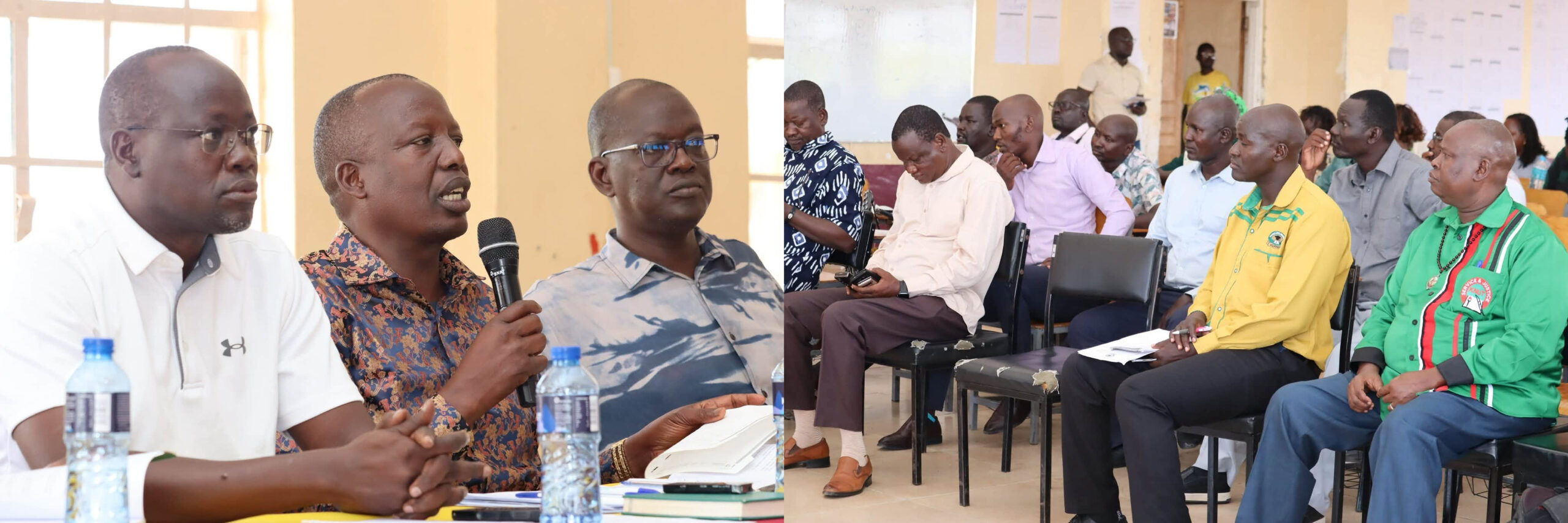
Education stakeholders in Meru, Isiolo and Laikipia counties have been urged to pool resources and skills to reverse declining academic performance, with conservation organisation Lewa Wildlife Conservancy warning that failure to educate vulnerable youth could fuel insecurity and poaching in the region.
Speaking during a five-day education capacity-building forum at Gitoro Conference Centre, Lewa Wildlife Conservancy Chief Programmes and Partnership Officer John Kinoti said improving education standards requires a joint effort involving the government, parents, teachers, learners and school managers.
More than 300 principals, deputy principals and Board of Management members are attending the training, which focuses on strengthening school leadership and improving academic outcomes.
Kinoti singled out Buuri Constituency as one of the areas where the conservancy has intensified interventions aimed at reviving deteriorating education standards.
“Every sector in life depends on education, from farming to leadership. We are here to sensitise stakeholders and equip them with knowledge on how to manage their institutions effectively. As we conserve forests, wildlife and the environment, we must also invest in education because the two are interconnected,” he said.
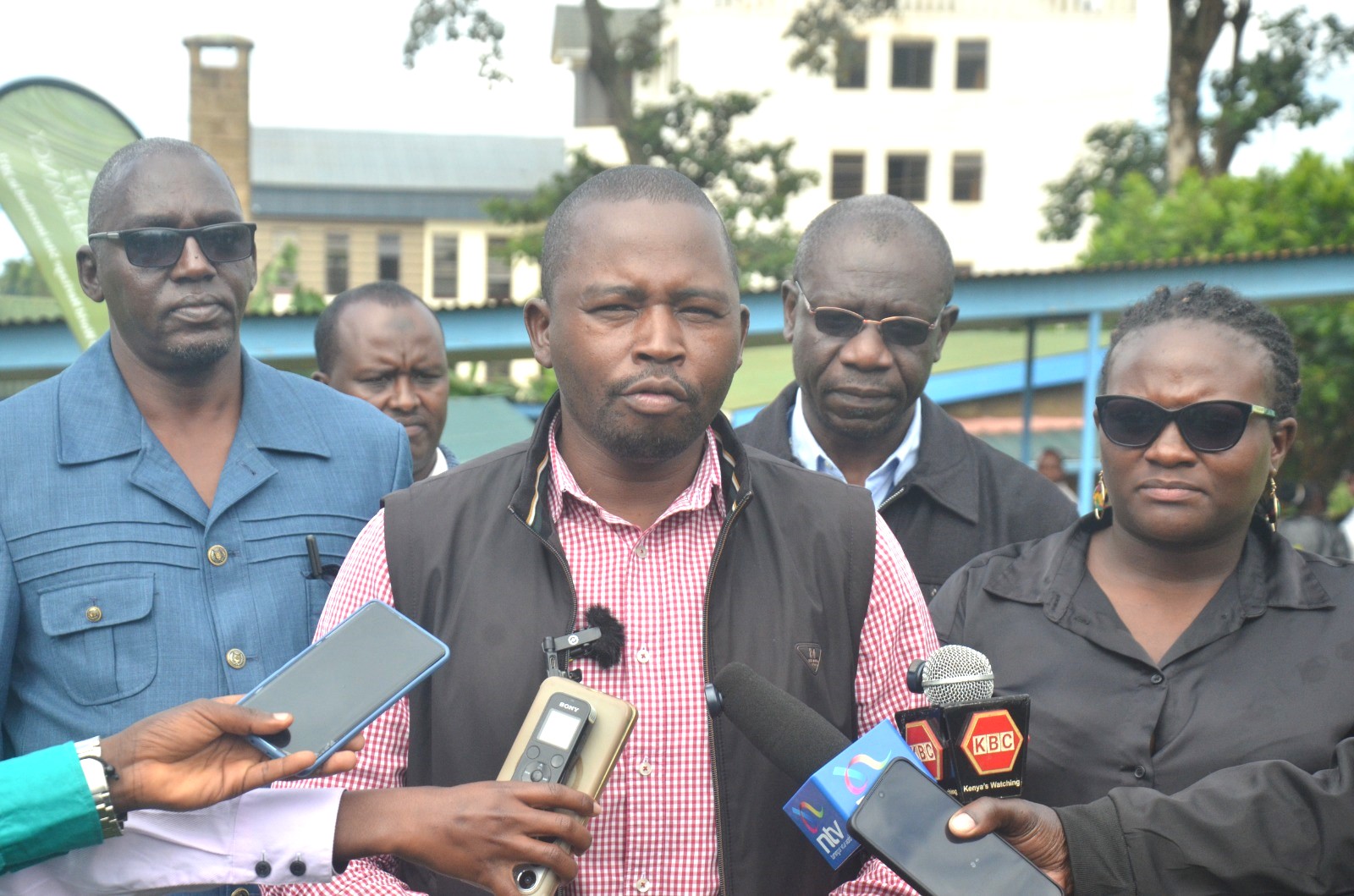
Lewa Wildlife Conservancy Education Officer Purity Kinoti said the organisation supports between 9,000 and 10,000 learners annually through bursaries and school infrastructure development.
She said the programme includes construction of dormitories, toilets and kitchens, provision of clean water, installation of Wi-Fi and smart learning screens, and support for bright but financially disadvantaged learners at risk of dropping out of school.
According to Purity Kinoti, performance in many day schools serving vulnerable communities remains below expectations, prompting the conservancy to organise the training programme.
She cited a recent survey showing that 44 percent of the population in Meru, Isiolo and Laikipia is aged 18 years and below, warning that lack of education and economic opportunities could expose young people to illegal activities, including poaching.
“If this population does not access education and contribute meaningfully to the economy, some may resort to poaching and other unlawful activities,” she said.
Buuri Sub-county Director of Education Jackson Guyo described Lewa’s intervention as critical in improving enrolment, retention and completion rates among learners preparing for Grade Nine and Form Four examinations.
He noted that some candidates abandon school because of economic and social challenges, affecting academic performance and transition rates.
READ ALSO: Lewa Conservancy unveils digital classrooms at Rugusu School
Subuiga Primary School Board of Management member Lydia Wanja said poor reading culture remains a major obstacle in many schools.
She said the training would help school managers develop targeted strategies to group learners according to their abilities and address weak performance.
Ministry of Education official Julius Kangwana said school performance is closely tied to management practices, stressing the need for institutions to adopt effective leadership and administrative skills to improve results.
By John Majau
You can also follow our social media pages on Twitter: Education News KE and Facebook: Education News Newspaper for timely updates.
>>> Click here to stay up-to-date with trending regional stories
>>> Click here to read more informed opinions on the country’s education landscape
>>> Click here to stay ahead with the latest national news.