- Education stakeholders in Kilifi and Tana River have raised concerns over provisions in proposed education reforms.
- Private-school representatives want penalties and fee regulations reviewed before the Basic Education Bill is passed.
- Teachers’ representatives have also renewed calls for autonomous junior schools under the new education structure.
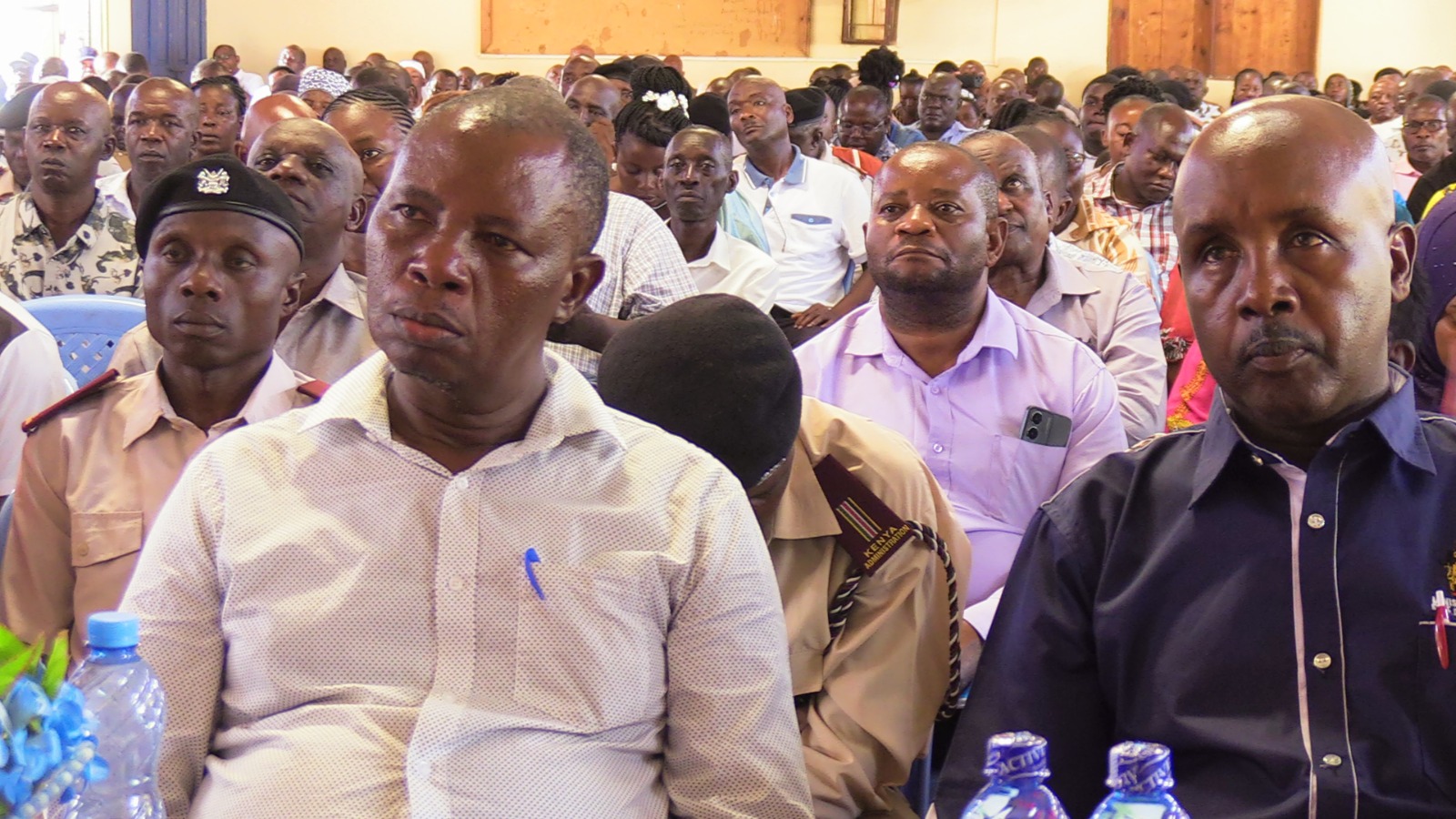
Education stakeholders from Kilifi and Tana River counties have faulted the Basic Education Bill and are demanding amendments before it is passed by the National Assembly.
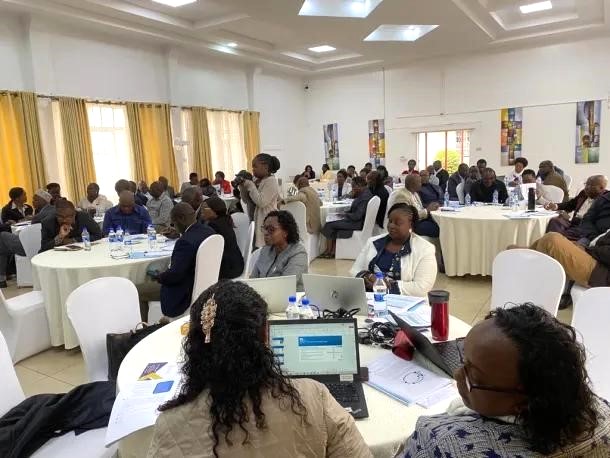
The National Assembly Departmental Committee on Education and Research is carrying out public participation on six proposed education reform Bills that have elicited debate among stakeholders.
Kenya Private Schools Association (KPSA) Kilifi County Chairman Christopher Kambi said the proposed fines and penalties for unregistered private schools were too punitive and could negatively affect education standards if enacted as currently drafted.
“The Basic Education Bill proposes that an investor of an unregistered school be penalised with a Sh20 million fine or three years’ imprisonment, and our proposal is that before it reaches that level there should be due diligence and the accused be given time to explain. There should be room for dialogue,” he said.
He added: “Our proposal is that before a private school is registered with the Ministry of Education, the owners must be members of KPSA so that we conduct our procedures to ensure that the new school meets the criteria required by law.”
Kambi also faulted the proposed regulation of fees by the Ministry of Education and proposed that private schools be allowed to determine their own fee structures.
“The Bill also proposes regulations on school fees, which we have opposed, and recommended that we be allowed to set our own fee structures because we can’t wait for the government to dictate to us the school fees,” he said.
KUPPET pushes for autonomous junior schools
KUPPET Kilifi Branch Executive Secretary Opolo Kopolo said junior schools should be made autonomous to ensure smoother operations.
“Introduction of comprehensive schools was a very dangerous move and the government has spent a lot of money because of the mistake that was made by the presidential working party listening to emotions rather than facts until the junior school was domiciled in primary and it has been very expensive for the government to employ teachers there yet human resource was there in the senior school,” he said.
He added: “The government should not be afraid of spending money in creating an autonomous junior school so that we can help that learner.”
Among the Bills are the Basic Education (Amendment) Bill, 2026; the Tertiary Education, Placement and Funding Bill; the Pre-Service Education and In-Service Training Bill, 2026; the Kenya Institute of Curriculum Development (Amendment) Bill, 2026; the Kenya National Educational Assessments Council Bill, 2026; and the Kenya National Qualifications Framework (Amendment) Bill, 2026.
Kitutu Masaba MP Clive Gisairo, who led the committee, said the Bills seek to address key areas of Kenya’s education system, including tertiary education funding, teacher training, basic education, curriculum development, national assessments and qualifications.
READ ALSO: Suicide is not macho: Kenya must stop losing teachers to silent despair
“We have come to Tana River and Kilifi County for public participation and to hear the opinion and views of stakeholders,” he said.
By Nehemiah Okwembah
Get more stories from our website: Education News
To write to us or offer feedback, you can reach us at: editor@educationnews.co.ke
You can also follow our social media pages on Twitter: Education News KE and Facebook: Education News Newspaper for timely updates.
>> Click here to stay up-to-date with trending regional stories