-
KICD alarm over rampant sale of books and other learning materials that contain misleading and inappropriate content, the act that has left parents and schools in loses.
-
Prof. Charles Ong’ondo said many of the materials currently in circulation are not aligned with CBE curriculum.
He faulted publishers producing such resources, saying they are undermining the progress made in the implementation of the curriculum.
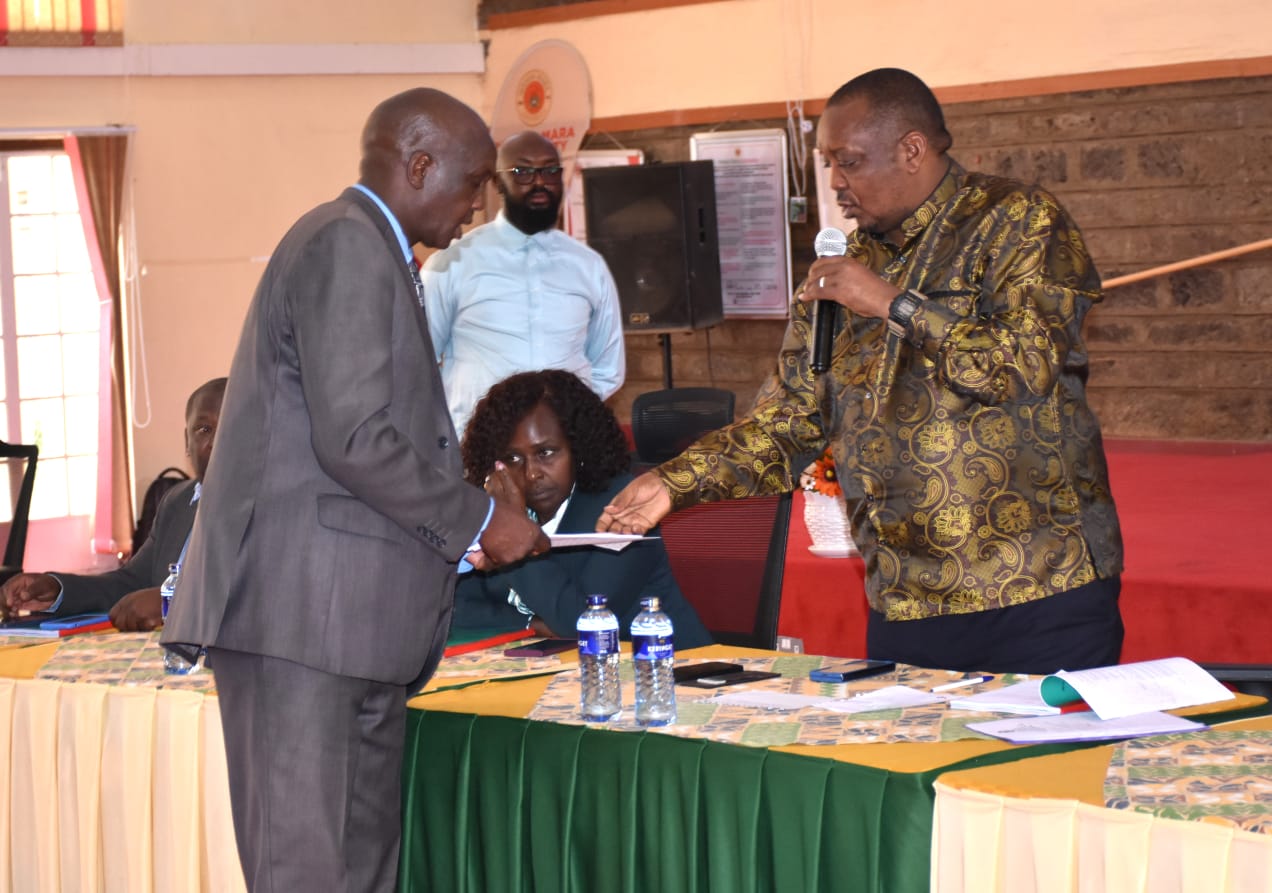
The Kenya Institute of Curriculum Development (KICD) has raised the alarm over rampant sale of books and other learning materials that contain misleading and inappropriate content, the act that has left parents and schools in loses.
KICD Chief Executive Officer Prof. Charles Ong’ondo said many of the materials currently in circulation are not aligned with the Competency-Based Education (CBE) curriculum.
He faulted publishers producing such resources, saying they are undermining the progress made in the implementation of the curriculum.
He said the proliferation of the materials risks undermining CBE implementation by misleading teachers, wasting school resources and exposing learners to content that falls outside the approved curriculum.
“It pains me when I see people marketing everything in the name of CBE. Some of those materials are even being marketed here at this conference, yet they have never been approved by KICD,” he said.
Ong’ondo identified revision books and assessment packages as some of the areas being exploited for commercial gain.
ALSO READ:
Kaimosi National Poly hosts training for Vihiga VTCs officers
He emphasized that learner assessment under the Competency-Based Education (CBE) system is conducted solely under the guidance of the Kenya National Examinations Council (KNEC), cautioning schools against administering commercially produced assessment materials that fall outside the approved national framework.
“You are wasting your resources, you are wasting your energy and you are courting a problem. Because we have already provided school-based continuous assessment. Assessment of learning is not the core thing. The core thing in CBE is assessment for learning,” said Ong’ondo.
The matter came up during the 49th Kenya Secondary School Heads Association (KESSHA) annual conference in Mombasa.
“Producing Kenyan curriculum support materials is not an easy task because we have to consider the country’s broad spectrum of religion, ethnicity, gender and climatic conditions. Many of those materials are offensive to some sections of Kenyans, including content that is not acceptable in Kenya,” said the KICD boss.
In Kenya’s liberalised textbook publishing market, schools receive textbooks procured by the government. Before any textbook can be considered for government procurement, it must first undergo evaluation and receive approval from KICD.
Schools are, however, permitted to purchase additional learning materials from the open market to complement classroom instruction. Ong’ondo noted that this open market has increasingly been flooded with substandard learning materials, leaving some teachers and parents vulnerable to purchasing resources that do not meet the required quality standards.
He further called for stricter vetting of vendors exhibiting learning materials during school events, alleging that many of them mislead schools and the public by marketing unapproved or low-quality publications.
By Frank Mugwe
You can also follow our social media pages on Twitter: Education News KE and Facebook: Education News Newspaper for timely updates.
>>> Click here to stay up-to-date with trending regional stories
>>> Click here to read more informed opinions on the country’s education landscape