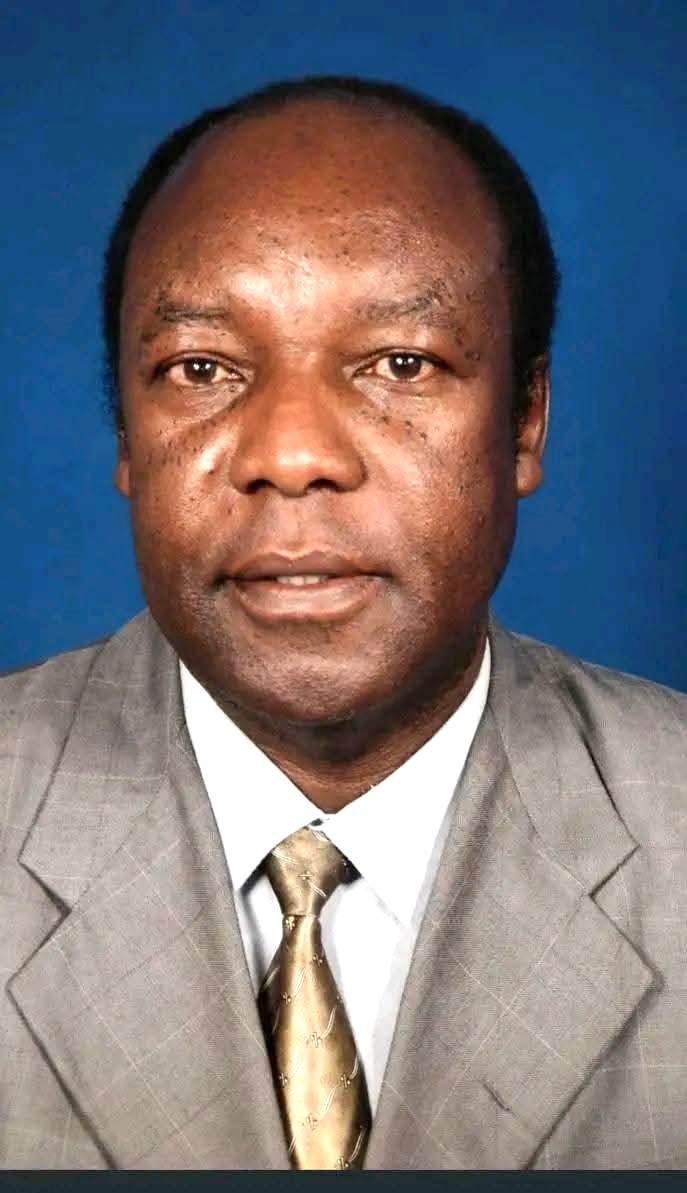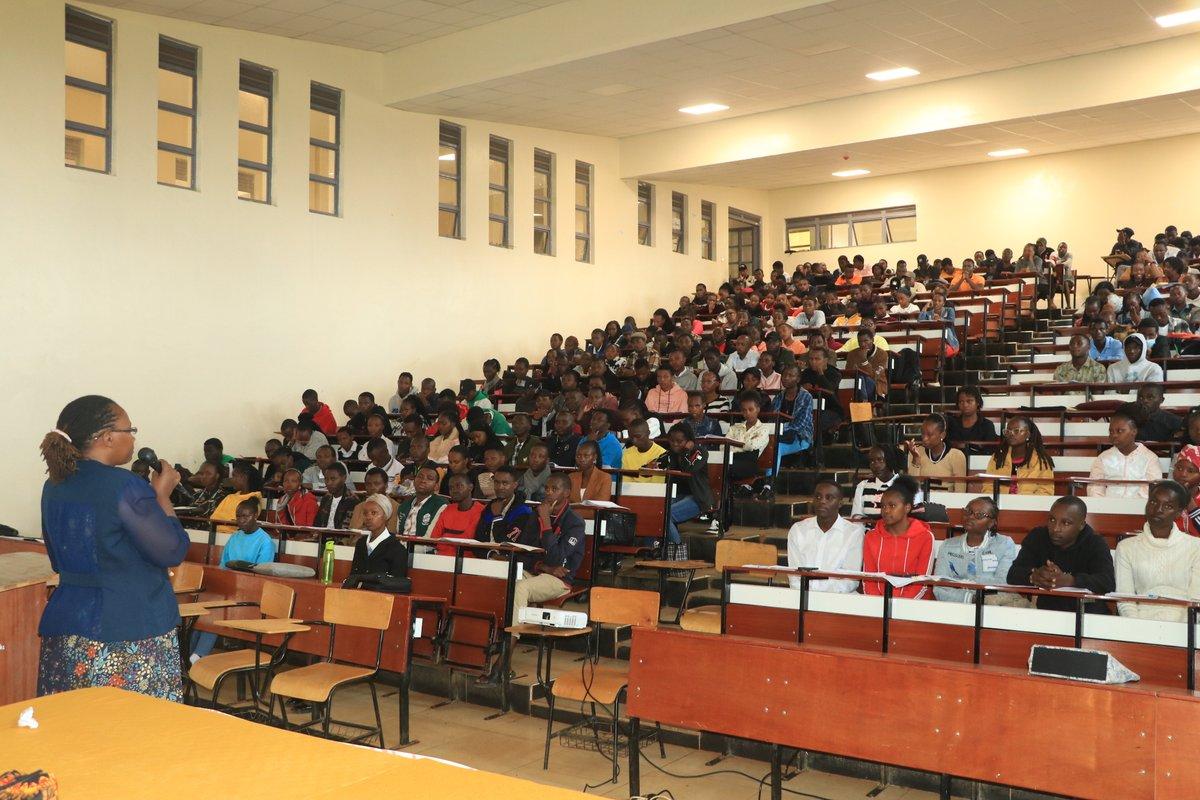
- Hillary Muhalya examines concerns that new retirement rules could trigger a major loss of experienced university academics.
- He argues that universities need flexible transition arrangements that protect institutional knowledge while creating opportunities for younger scholars.
- Succession planning, mentorship and dignified retirement could help Kenya balance generational renewal with academic continuity.
The warning by the Universities Academic Staff Union (UASU) that the University of Nairobi could lose up to 70 per cent of its academic staff under the new Public Service Commission retirement rules should be of concern to all Kenyans.
This is not merely a dispute between a workers’ union and the government. It raises a broader question about how Kenya values experience, knowledge, and academic leadership.
Should university professors retire under the same rules as other public servants?
In my view, universities require a more flexible retirement framework.
This does not imply that professors should remain in service indefinitely. Rather, it suggests that the government must recognise that academic work differs significantly from many other forms of public service.
A professor is not simply an employee occupying a position. Over 30 or 40 years, a professor may build extensive knowledge, teach and mentor students, supervise postgraduate research, publish scholarly work, lead research initiatives, and contribute to academic development.
When such a professor retires, the institution does not merely lose a staff member.
It also risks losing decades of accumulated expertise and institutional memory.
For this reason, the warning issued by UASU should not be dismissed.
If the union’s estimate that the University of Nairobi could lose up to 70 per cent of its academic workforce is accurate, the consequences could be significant. Entire departments may lose a substantial number of experienced lecturers simultaneously. Students may face challenges in accessing supervision and instruction. Postgraduate research could slow down, and ongoing research projects may be disrupted.
Replacing academic expertise takes time
A key concern is the difficulty of replacing such expertise within a short period.
It is not possible to simply advertise a vacancy and immediately recruit a professor with the required qualifications and experience.
Many academic disciplines are highly specialised. Becoming a professor typically requires many years of advanced study, research, and professional development.
Developing the next generation of professors is therefore a long-term process.
For this reason, retirement in universities must be carefully managed.
Kenya also needs young academics. They require employment opportunities, career progression, and leadership roles. Universities cannot indefinitely retain senior professors while limiting opportunities for younger scholars.
However, the solution is not the abrupt removal of experienced academics.
We require a balanced system that accommodates both emerging scholars and seasoned professors.
One approach would be to establish a structured transition framework.
Some professors could retire from full-time employment but continue contributing in limited capacities as mentors, researchers, or postgraduate supervisors.
Others could be designated as emeritus professors, allowing them to support institutions where their expertise remains valuable.
Such arrangements must be clearly regulated. They should not be used to extend public service indefinitely, but rather applied based on defined criteria, institutional need, and fixed terms.
The key objective should be to prevent the sudden loss of critical knowledge.
Universities need succession planning
Consider a department in which several senior professors retire within the same year.
Who will supervise doctoral candidates?
Who will continue ongoing research projects?
Who will mentor junior lecturers?
Who will sustain international research collaborations?
These questions must be addressed in advance, not after retirement has already taken place.
Universities should therefore implement robust succession planning mechanisms.
They should identify senior academics approaching retirement and systematically prepare younger staff to assume their responsibilities.
Pension arrangements are also a critical consideration.
Retirement should be a dignified process. Public servants who have served for many years should not face prolonged delays in accessing their pension benefits.
Concerns regarding pension processing within the education sector make this issue even more urgent.
The government must therefore treat retirement as a comprehensive process, encompassing exit from employment, timely access to pension benefits, and safeguards to ensure institutions do not suffer sudden losses of essential expertise.
The Public Service Commission should also engage universities before implementing uniform retirement policies.
Universities are centres of knowledge production. Their most experienced academics play a vital role in research, innovation, and training.
If Kenya aims to strengthen research output, advance innovation, and produce highly skilled professionals, it must also safeguard the expertise that has been built over decades.
Knowledge should not retire with professors
This does not mean prioritising senior academics at the expense of younger ones.
It means establishing a system that ensures effective transfer of knowledge between generations.
A sound retirement policy should therefore achieve three key objectives.
First, it should enable older academics to retire with dignity.
Second, it should create sufficient opportunities for younger academics to advance.
Third, it should ensure that valuable institutional knowledge is not lost upon retirement.
The debate surrounding the University of Nairobi should therefore not be viewed as a routine labour dispute.
It is a broader warning about the future of higher education in Kenya.
If large numbers of experienced academics exit the system without adequate succession planning, students will be affected, research output will decline, and institutions may lose critical institutional memory.
Kenya must therefore confront a fundamental question:
Are we retiring professors, or are we also retiring the knowledge they carry?
The answer should be clear.
READ ALSO: CS Ogamba’s education gamble: Is Kenya finally redefining education financing beyond school fees?
Professors should be allowed to retire, but the knowledge they hold should not retire with them.
By Hillary Muhalya
You can also follow our social media pages on Twitter: Education News KE and Facebook: Education News Newspaper for timely updates.
>>> Click here to stay up-to-date with trending regional stories
>>> Click here to read more informed opinions on the country’s education landscape