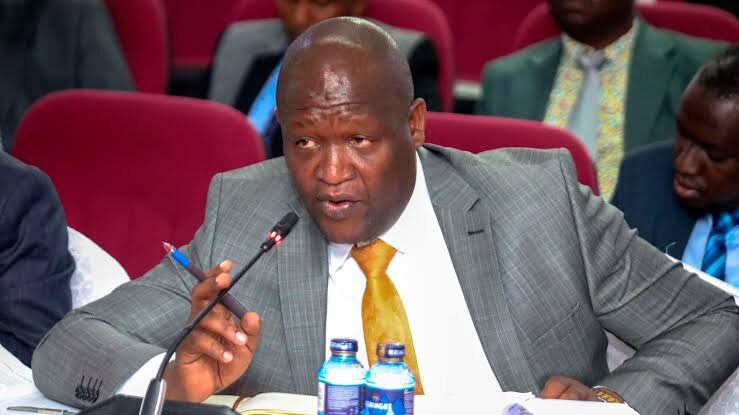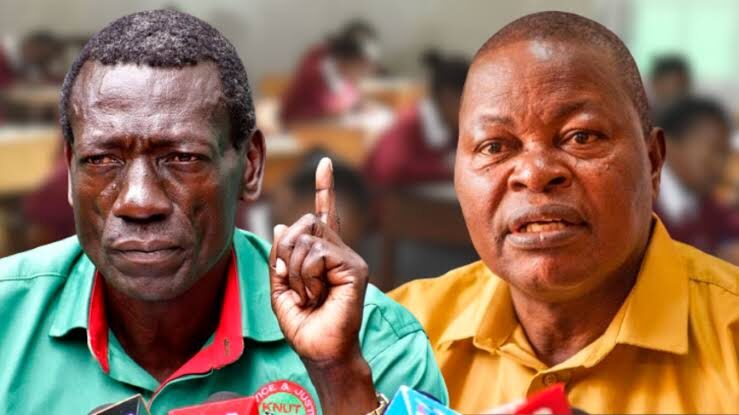
- Teachers’ unions have clashed over whether Junior Secondary Schools should be governed under the comprehensive school model or retain separate administrative structures.
- KUPPET has proposed a three-level leadership structure with distinct heads for primary, JSS and senior school, while KNUT and KECSHA have backed the comprehensive model.
Kenya’s proposed comprehensive school model is rapidly emerging as the biggest fault line in the country’s education reforms, with teachers’ unions and school heads presenting sharply different positions on who should administer Junior Secondary Schools (JSS).
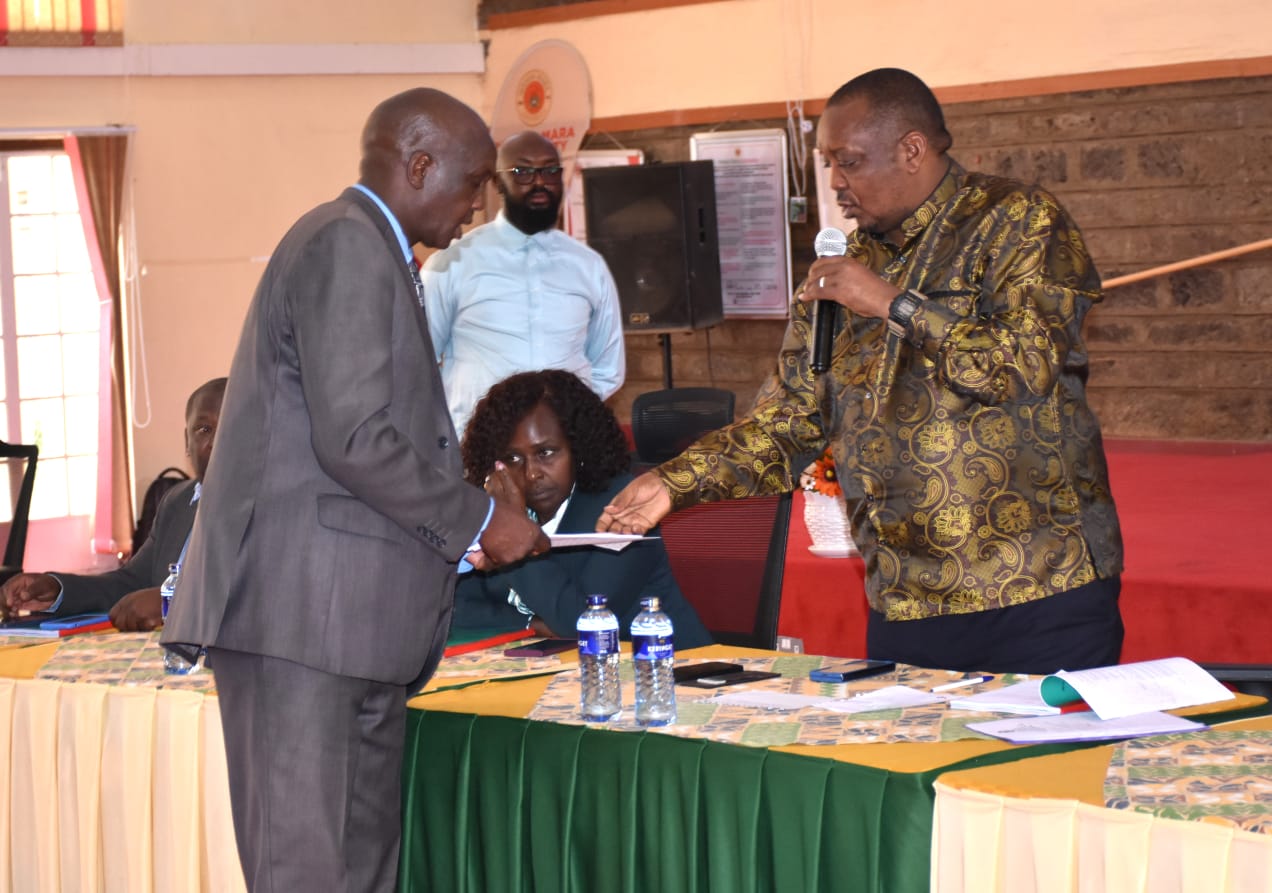
The disagreement came into sharp focus as the National Assembly Education Committee concluded the first week of its nationwide public participation exercise in Narok and Kajiado counties, where stakeholders debated the proposed Education Reform Bills and the future governance of JSS. At the heart of the dispute is a deceptively simple question: should JSS be governed as part of a comprehensive school, or retain its own administrative and governance structures while sharing a compound with primary schools?
Unions Split Over JSS Governance
The Kenya National Union of Teachers (KNUT) backed the comprehensive school model in both Narok and Kajiado, arguing that the arrangement is working and should be strengthened rather than dismantled. KNUT proposed that JSS remain within the primary-school section and also called for clear and specific guidelines on learner discipline following the proposed removal of corporal punishment.
The Kenya Union of Post Primary Education Teachers (KUPPET) took a markedly different position. In Narok, the union called for references to comprehensive schools to be deleted from the Basic Education Bill, citing Clauses 2, 9, 29, 48, 80 and 109, arguing that JSS should be recognised as a distinct and autonomous administrative and operational unit with its own governance structures. The union’s argument goes beyond the question of where JSS learners attend classes, touching directly on leadership, accountability, representation, teacher deployment, Boards of Management and the authority exercised within a school compound.
ALSO READ:
KUPPET maintained that sharing a compound does not necessarily mean that primary and JSS institutions must have identical administrative and governance arrangements. It further argued that the proposed comprehensive-school Board of Management does not provide adequate representation for JSS, and called for separate Boards of Management for the different levels of education. In Kajiado, the union carried the same position, proposing a three-level leadership structure in which the primary section would retain the headteacher, JSS would have a Head of Institution assisted by a deputy drawn from JSS teachers, and senior school would retain the principal. The union also wants teachers to continue being represented on Boards of Management.
The Kenya Secondary School Heads Association (KECSHA), however, supported the comprehensive school model in both counties. In Narok, KECSHA proposed that JSS remain domiciled in primary schools while ECD continues as part of the comprehensive-school structure. In Kajiado, the organisation said the comprehensive model is working, while seeking stronger legal provisions on school registration, learner enrolment and discipline.
This leaves policymakers confronting three different institutional perspectives: KNUT supporting the comprehensive structure, KUPPET seeking distinct JSS governance, and KECSHA backing the comprehensive model while seeking stronger operational safeguards. The debate is not merely about structures on paper; the eventual legislative wording could determine how school leaders exercise authority, how teachers are represented, how Boards of Management operate, and how accountability is assigned when several education levels occupy one compound.
Wider Concerns Raised During Public Participation
The public participation forums also exposed concerns extending far beyond JSS governance. In Narok, stakeholders questioned education financing, the funding of pre-primary education, and the position of learners who remain in school after attaining 18 years. KESSHA called for continued education funding for such learners, while the National Parents Association proposed that all levels of education, including secondary school, be completely free.
The Catholic Diocese of Narok sought clearer definitions of the functions of sponsors and called for sponsorship to be separated from alumni associations while retaining the current role of sponsors. The Church also proposed that the Programme for Pastoral Instruction cover all levels of basic education. Other stakeholders demanded that CEMASTEA be anchored in the Basic Education Bill as the institution responsible for in-service teacher training, alongside calls for increased and timely capitation, better support for learners with disabilities, improved internet infrastructure in schools and greater funding for TVET institutions.
ALSO READ: KNUT Bomet assistant executive secretary condemns rising attacks on teachers
At Maasai Mara University, student leaders and university representatives raised concerns over the proposed 25 per cent loan repayment rate, proposing instead a graduated repayment structure linked to PAYE taxable income. The university also called for a dedicated funding mechanism for tertiary education and clearer provisions dealing with unremitted university funds.
In Kajiado, stakeholders demanded increased and timely capitation, legal recognition of KESSHA and KECSHA, stronger regulation of private schools and adequate resources before learners transition to the next education level. The Kajiado County Education Board proposed that its chairperson be an educationist from the county recruited competitively rather than the County Commissioner, while the Catholic Church called for stronger national oversight of education and greater clarity over the distinction between registration and management of ECD institutions under devolution. Disability representatives added another dimension to the debate, calling for disability-responsive tertiary funding, including support for assistive technology and personal assistants, as well as representation of persons with disabilities in education governance structures and specific provisions addressing accessibility for teachers living with disabilities.
ALSO READ: Fresh dispute erupts between Kakamega, Musingu Schools over player transfer
As the public participation exercise moves into its second week, the JSS question is becoming one of the critical tests of the proposed education legislation. The parliamentary committee now has to sift through competing proposals on whether physical integration should also mean administrative integration, or whether schools can operate under one roof while maintaining distinct leadership and governance arrangements. The Committee said it would consider and capture the views presented by stakeholders in its report.
The exercise resumes on Monday, September 21, 2026, as Parliament takes the education reform debate to other parts of the country. The battle over JSS is no longer simply about where learners study; it is increasingly about who governs, who leads and who is accountable when primary and junior secondary education share the same school environment.
By Hillary Muhalya
Get more stories from our website: Education News
To write to us or offer feedback, you can reach us at: editor@educationnews.co.ke
You can also follow our social media pages on Twitter: Education News KE and Facebook: Education News Newspaper for timely updates.
>> Click here to stay up-to-date with trending regional stories