-
Senior school teachers must understand that Grade 10 learners have already developed core competencies such as communication and collaboration as these learners are naturally more expressive, curious and willing to engage their teachers in meaningful discussions.
-
What may appear to some teachers as rudeness is, in many cases, evidence that the learner is demonstrating the very competencies the curriculum intends to develop.
The recent remarks by Kenya Institute of Curriculum Development (KICD) Chief Executive Charles Ong’ondo that teachers should not take offence when learners correct them in class have sparked an important conversation about the implementation of Competency-Based Education (CBE) in Kenya.
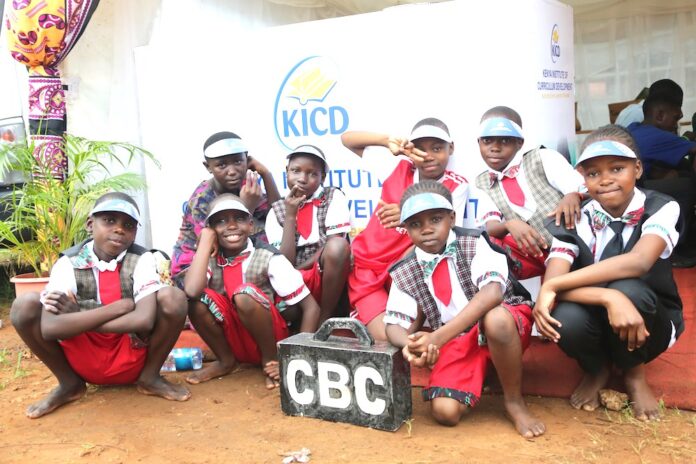
According to the KICD CEO, the CBE curriculum is designed to nurture confident, inquisitive and collaborative learners who are not afraid to ask questions or challenge ideas respectfully.
This represents a significant shift from the traditional education system where learners were expected to remain passive recipients of knowledge.
Senior school teachers must therefore understand that Grade 10 learners have already developed core competencies such as communication and collaboration. As a result, these learners are naturally more expressive, curious and willing to engage their teachers in meaningful discussions.
What may appear to some teachers as rudeness is, in many cases, evidence that the learner is demonstrating the very competencies the curriculum intends to develop.
It is therefore high time that the government strengthened the capacity of senior school teachers to effectively handle Grade 10 learners under the CBE system. The transition to senior school is not simply a continuation of the former Form One experience. These learners are different.
ALSO READ:
President Ruto urges parents to embrace African parenting to curb school unrest
They have spent years learning through competency-based approaches and are highly aware of themselves, their strengths and their learning needs. They came to senior school knowing what they were going to do.
Importantly, these learners did not join senior school merely because they scored 400 marks in a national examination. They are in senior school because they have demonstrated competencies, talents and abilities that the CBE system seeks to nurture further.
Consequently, they expect learning experiences that challenge them to think critically, solve problems and apply knowledge in real-life situations.
The era of asking learners to copy notes from textbooks should gradually give way to inquiry, exploration and research. Instead of telling learners what to memorise, teachers should guide them to investigate issues, analyse information and present evidence-based solutions. The teacher’s role is increasingly becoming that of a facilitator rather than a lecturer.
ALSO READ:
To achieve this, Grade 10 teachers require continuous professional development in learner-centred pedagogies, including inquiry-based learning, project-based learning and experiential learning.
These approaches empower learners to take ownership of their education while developing creativity, collaboration, communication and critical thinking.
One area that still requires significant strengthening in many senior schools is the integration of Information and Communication Technology (ICT). ICT should not be confined to occasional visits to the computer laboratory.
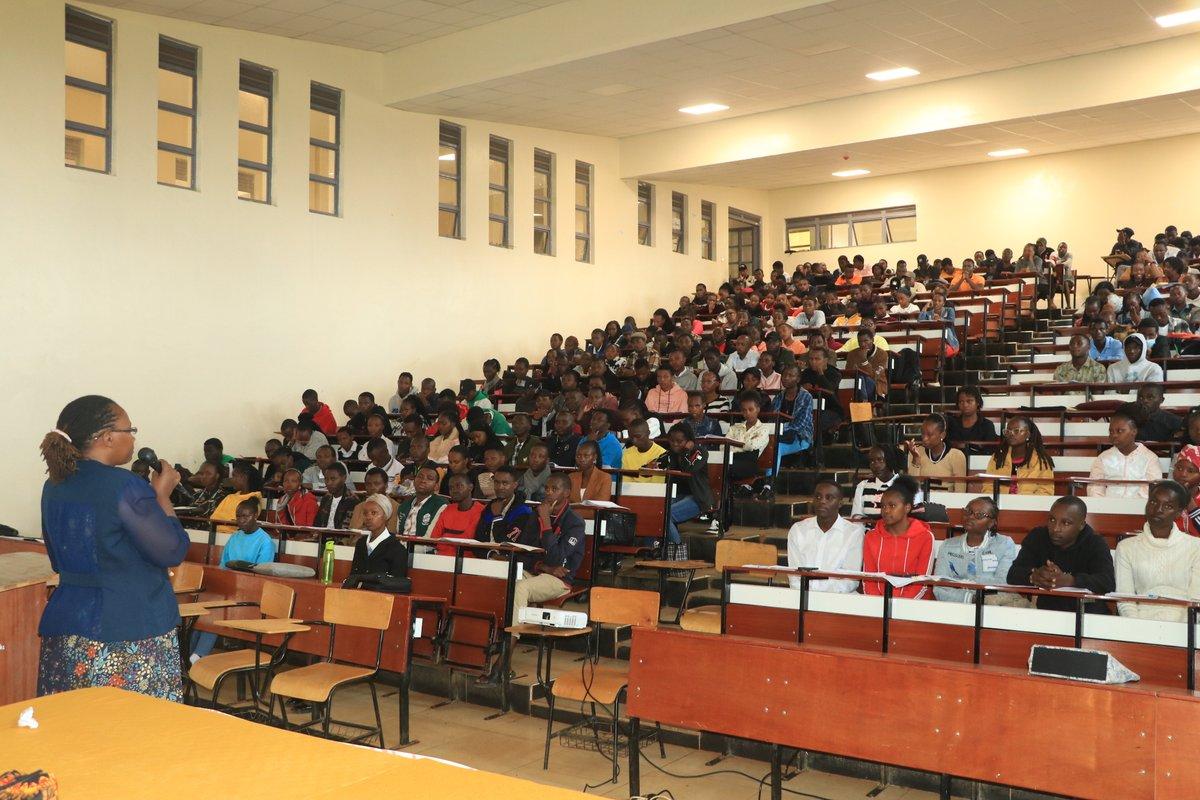
Learners should, where possible and within school policies, be allowed to use laptops and other digital devices to conduct research, collaborate on projects and access quality learning resources throughout the learning process.
The vision of Competency-Based Education is to produce engaged, empowered and ethical citizens who can thrive in a rapidly changing world. Achieving this vision will require not only curriculum reforms but also a transformation in teaching practices, school leadership and investment in teacher capacity and digital infrastructure.
The success of CBE will ultimately depend on whether our classrooms become places where learners are encouraged to ask questions, think independently and explore their full potential. That is precisely the kind of education Kenya needs for the future.
By Polycap Ateto
Polycap Ateto is a CBE trainer in matters of school placements and career selections
You can also follow our social media pages on Twitter: Education News KE and Facebook: Education News Newspaper for timely updates.
>>> Click here to stay up-to-date with trending regional stories
>>> Click here to read more informed opinions on the country’s education landscape