-
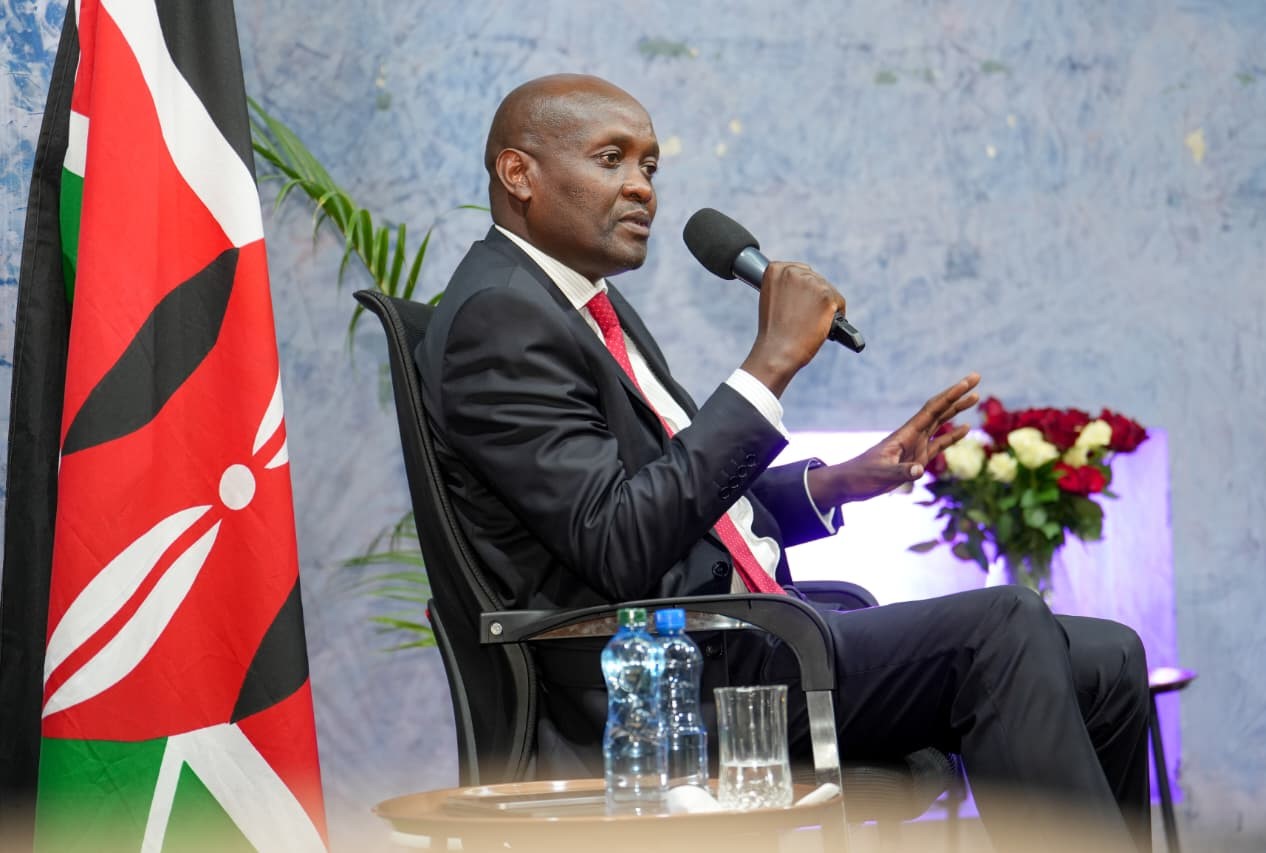
HELB CEO Geoffrey Monari has said The Board lacks the legal mandate to write off bad debts arising from loan defaults, but noted that it continues to engage borrowers to encourage them to honour their repayment obligations.
-
He revealed that 563,949 loan accounts have matured, largely involving beneficiaries who have completed their studies but are yet to secure formal employment or a stable source of income to enable them to begin repaying their loans.
The Higher Education Loans Board (HELB) has said it lacks the legal mandate to write off bad debts arising from loan defaults, but noted that it continues to engage borrowers to encourage them to honour their repayment obligations.
Speaking before the National Assembly Public Investments Committee on Governance and Education, HELB Chief Executive Officer Geoffrey Monari revealed that 563,949 loan accounts have matured, largely involving beneficiaries who have completed their studies but are yet to secure formal employment or a stable source of income to enable them to begin repaying their loans.
He said one of the biggest challenges the board has faced is recovering loans from beneficiaries in the informal sector, prompting HELB to adopt new strategies to improve repayment.
Monari said one of the key measures involves leveraging the Finance Act 2026 to work closely with the Kenya Revenue Authority (KRA), enabling HELB to identify and engage self-employed borrowers captured in the tax database.
He added that the board is also collaborating with Kenyan embassies to track and facilitate loan repayments from beneficiaries living and working abroad.
“We are not only using hard methods; we are also using a carrot and stick sort of approach. We understand sometimes someone may not be paying previously because the income was not sufficient, but if now you are capable of repaying, we negotiate,” the CEO told the committee.
He was responding to an audit query that revealed an analysis of the books as of June 30, 2025, showed 731,789 loan accounts had matured with an outstanding balance of Ksh115.4 billion.
Of these, 563,949 loan accounts, with a combined outstanding balance of Ksh89.8 billion, recorded no repayments towards principal, interest, ledger fees, or insurance fees during the financial year.
According to the auditor, the highest number of loan accounts in default falls within the 0–5-year category, with an outstanding balance of Ksh39.6 billion. This is followed by the 5–10-year category at Ksh33.4 billion, the 10–15-year category at Ksh8 billion, and the 15–20-year category, which has an outstanding balance of Ksh2.9 billion.
“In the circumstances, the high default rate may affect the sustainability of the students’ loan management by limiting future student loans availability, raising borrowing costs and increasing loan default risk on the outstanding balance,” the auditor said.
Monari explained that the total of 563,949 also includes accounts that are still within the stipulated grace period.
“During this financial year, there has been significant improvement in loan recovery. We have traced and recovered from 213,188 accounts. As at last week, we have increased our recoveries, which stood at Ksh7.5 billion against an annual target of Ksh5.7 billion,” he told the committee.
By Frank Mugwe
You can also follow our social media pages on Twitter: Education News KE and Facebook: Education News Newspaper for timely updates.
>>> Click here to stay up-to-date with trending regional stories
>>> Click here to read more informed opinions on the country’s education landscape