- Senators have raised concerns over funding, staffing and learning materials in Kajiado ECDE centres.
- The committee also questioned nutrition programmes, infrastructure gaps and the utilisation of allocated county funds.
- Its findings will inform further engagement with Kajiado County Government on improving devolved education services.
The Senate Standing Committee on Education has raised concerns over funding, staffing, learning materials, nutrition and infrastructure in Early Childhood Development Education (ECDE) centres in Kajiado County.
The committee said it found gaps between budgetary allocations and the services available to learners during an inspection of selected ECDE centres and a vocational training institution in the county on Friday.
The senators, led by committee chairperson Betty Montet and her deputy, Prof Margaret Kamar, said the county government needed to demonstrate how resources allocated to the devolved education function were being translated into improved learning conditions.
The committee visited Moipei and Ole Lenku Township ECDE centres before proceeding to Isinya Vocational Training Centre.
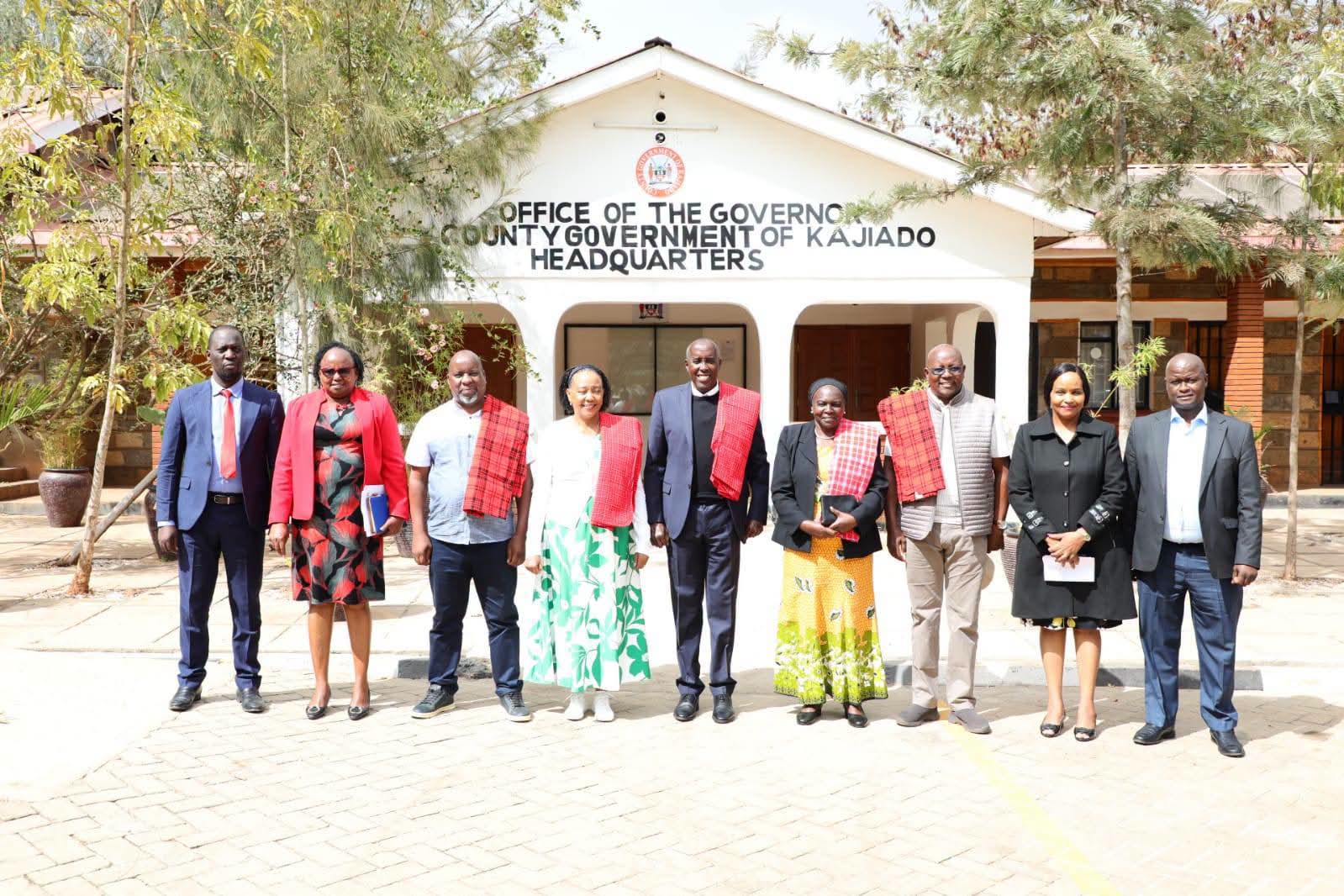
The visit followed a courtesy call on Kajiado Governor Joseph Ole Lenku at the county headquarters in Kajiado Town.
Senator John Mwaruma questioned the source of teaching and learning materials being used in ECDE centres, seeking to establish whether they were supplied by the county government, parents or development partners.
Ms Janet Sereu, the County Executive Committee Member for Education, attributed delays in implementing some programmes to lengthy procurement processes.
She said the county was working within established procurement procedures but acknowledged that the processes had slowed the delivery of some interventions to ECDE centres.
Ms Sereu said Kajiado has 626 ECDE centres across its wards, with Members of the County Assembly also playing a role in their development.
The disclosure prompted the committee to seek clarification on the responsibilities of the county executive and MCAs in financing and developing ECDE facilities.
The senators also questioned discrepancies in staffing figures submitted by the county government, noting that the number of teachers contained in official reports did not appear to correspond with the staffing levels observed or reported at some of the centres visited.
The committee directed that the figures be reconciled to establish the actual number of ECDE teachers deployed across the county.
Nutrition and infrastructure questioned
Nutrition emerged as another major concern, with the committee questioning the sustainability of relying on non-governmental organisations to provide porridge to learners.
Senator Kanar Seki, who previously served as the county executive in charge of education, recalled that the county government provided porridge to ECDE learners during his tenure.
He questioned the extent to which the county was currently supporting the programme, particularly in centres receiving nutritional assistance from development partners.
Prof Kamar raised concerns over congestion in some classrooms and inadequate playing grounds, saying ECDE learners require sufficient space for learning and play.
Senator Kinyua also questioned the utilisation of funds allocated to ECDE, saying the committee had seen limited evidence of some of the investments contained in county budget reports.
The committee further sought explanations over learning materials that had reportedly been budgeted for and listed as delivered in previous financial years but were not available at some schools.
The senators called for greater accountability in procurement and delivery to ensure that money allocated to ECDE reaches learners in the form of teaching materials, infrastructure and other essential services.
Senators assess vocational training
At Isinya Vocational Training Centre, the committee examined youth skills development, including the implementation of the 2Jiajiri programme supported by KCB and the county government.
The senators sought information on how the centre benefits from the initiative and clarification on the respective roles of KCB and the county government in supporting vocational training and youth enterprise development.
The committee also requested data on the number of primary and secondary schools and vocational training institutions in Kajiado to assess whether existing facilities are adequate for the population they serve.
The senators raised concerns over transition gaps within the education system, particularly the movement of learners from basic education into vocational training.
READ ALSO: Meet Dr Elkanah Lagat, the man who transformed Kapsabet Boys’ academic performance and built a culture of success
The findings from the visit will form part of the committee’s report and guide further engagement with the Kajiado County Government on ECDE financing, staffing, learning materials, nutrition, infrastructure, procurement and vocational training.
By Kimwele Mutuku
Get more stories from our website: Education News
To write to us or offer feedback, you can reach us at: editor@educationnews.co.ke
You can also follow our social media pages on Twitter: Education News KE and Facebook: Education News Newspaper for timely updates.
>> Click here to stay up-to-date with trending regional stories