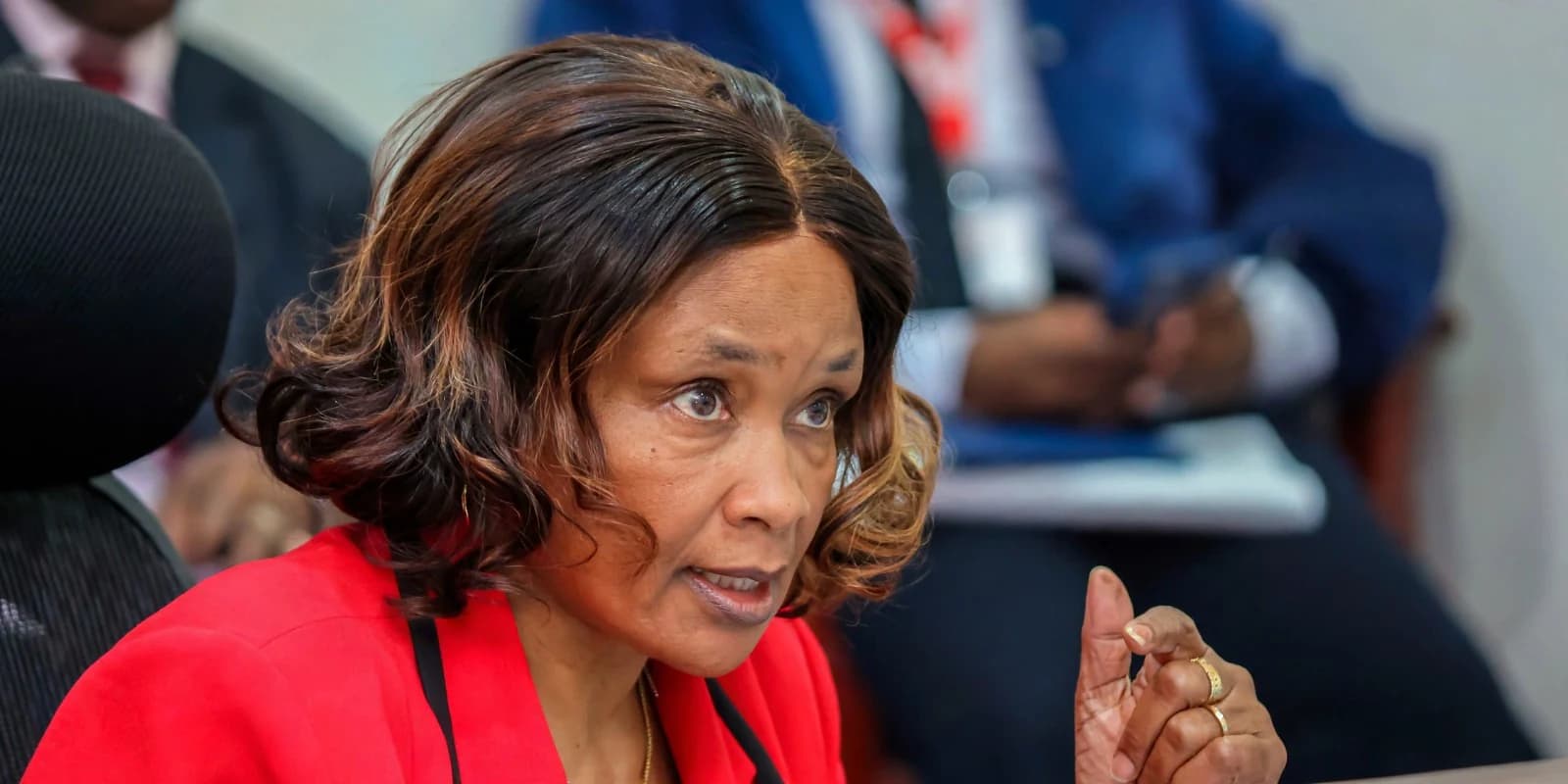







- TSC has unveiled sweeping changes designed to align teacher registration with the evolving demands of the Competency-Based Education (CBE) curriculum.
- Under the revised regulations, teachers with a single teaching subject will now qualify for registration, particularly in specialized learning areas where the country continues to experience acute teacher shortages.
Thousands of trained teachers across the country are poised to benefit from the most far-reaching reforms to teacher registration in years after the Teachers Service Commission (TSC) unveiled sweeping changes designed to align the profession with the evolving demands of the Competency-Based Education (CBE) curriculum.
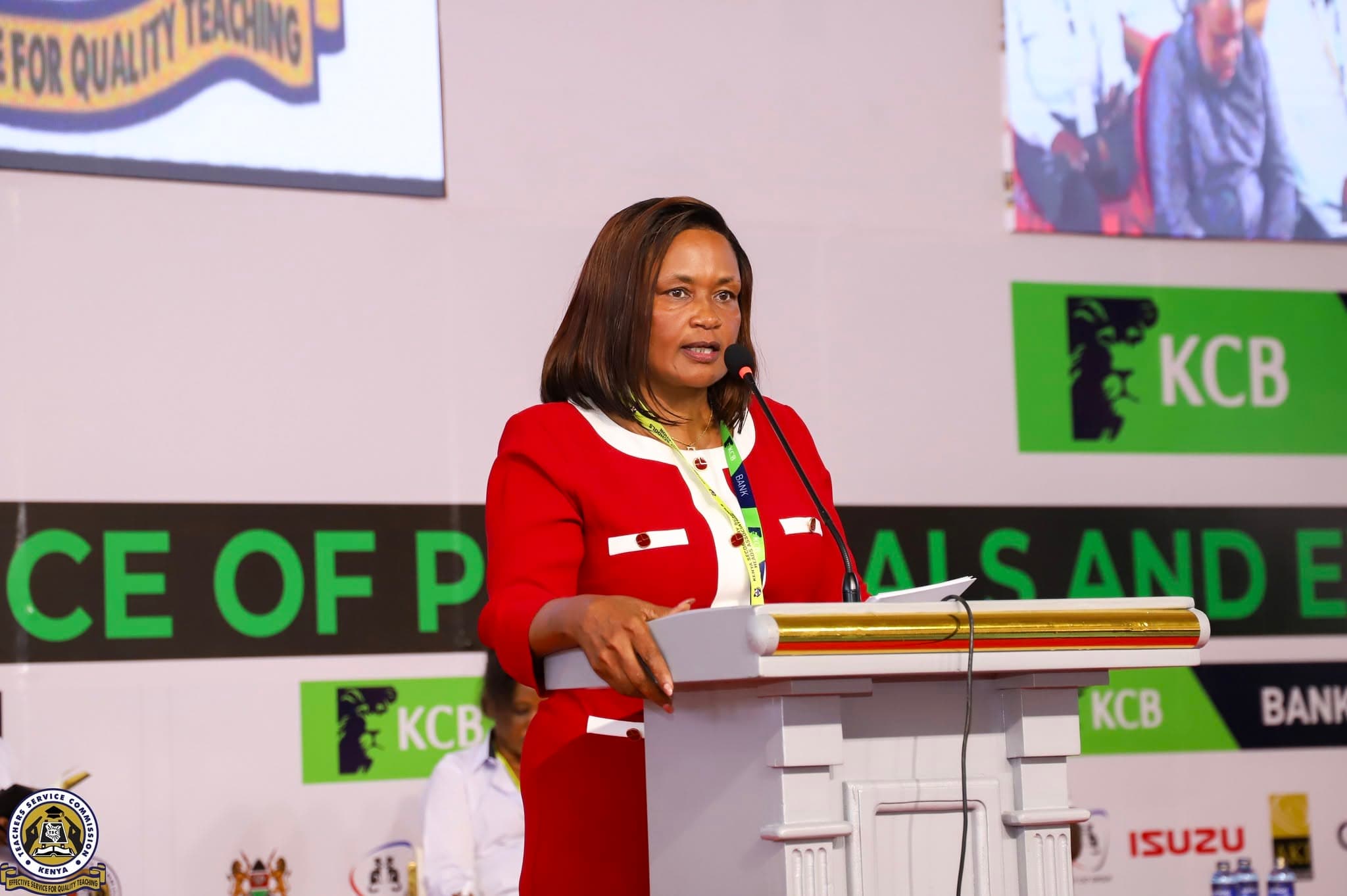
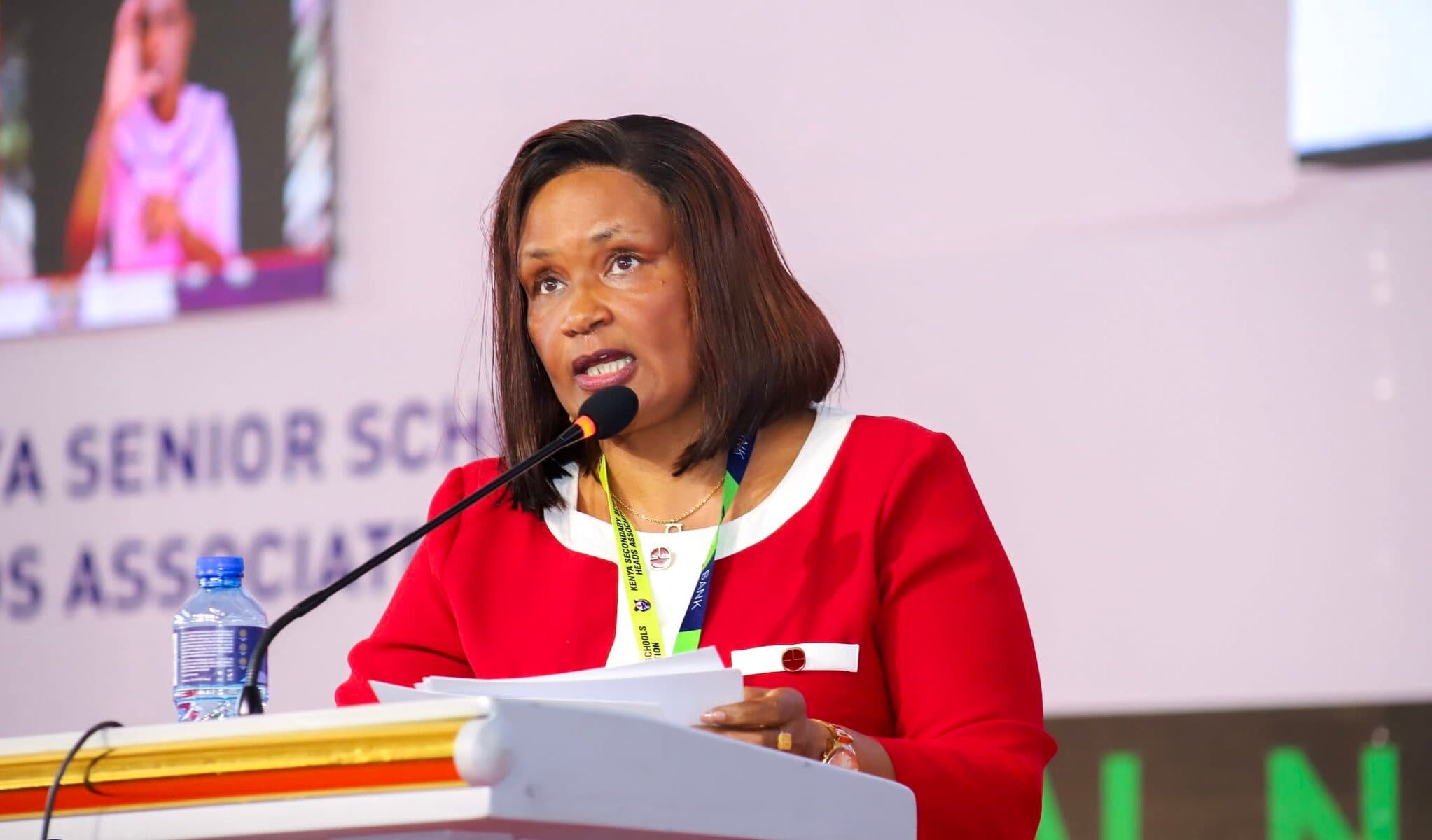
The landmark reforms, announced during the Kenya Secondary School Heads Association (KESSHA) Annual Conference in Mombasa, dismantle one of the most persistent barriers that have kept many qualified graduates out of the teaching profession despite completing accredited teacher education programmes.
At the heart of the reforms is the scrapping of the long-standing requirement that secondary school teachers must be qualified to teach at least two subjects before they can be registered by TSC.
Under the revised regulations, teachers with a single teaching subject will now qualify for registration, particularly in specialized learning areas where the country continues to experience acute teacher shortages.
The policy shift is expected to breathe new life into the careers of thousands of graduates who have remained unemployed for years, not because they lacked professional training, but because they did not satisfy the two-subject registration requirement.
ALSO READ:
https://educationnews.co.ke/why-tsc-must-rethink-the-restructuring-of-career-progression-guidelines/
Many of these teachers have been unable to pursue their profession despite graduating from accredited institutions and meeting all other academic and professional standards.
Speaking during the conference, TSC Acting Chief Executive Officer Evaleen Mitei said the commission had reviewed Legal Notice No. 50 under the Code of Regulations to ensure that teacher registration reflects the realities of the Competency-Based Education system.
She explained that the review was necessary because the existing regulations no longer adequately addressed the changing demands of curriculum implementation. Registering teachers with one teaching subject, she noted, will help expand the pool of qualified educators required to deliver specialized learning areas under CBE.
The commission has also introduced another significant reform by expanding registration opportunities for primary school teachers. Holders of the Diploma in Primary Teacher Education (DPTE) will now be formally recognized alongside teachers who previously qualified through the traditional Primary Teacher Education (P1) certificate programme, acknowledging the transformation of teacher education in Kenya.
In another major breakthrough, TSC has proposed that primary school teachers holding a Diploma in Education, a Kenya Certificate of Secondary Education (KCSE) mean grade of C (Plain), and at least a C+ in one teaching subject will qualify for registration and deployment to Junior Schools.
ALSO READ:
https://educationnews.co.ke/ttrans-nzoia-pledges-better-facilities-modern-equipment-for-vtcs-to-curb-youth-unemployment/
This move is expected to significantly strengthen staffing in junior schools, which have faced teacher shortages since the rollout of the Competency-Based Education curriculum.
The reforms are not merely administrative adjustments; they represent a strategic shift in Kenya’s teacher management policy. By modernizing registrationt requirements, TSC is responding to the realities of a changing education system while ensuring that professionally trained teachers are no longer locked out of employment because of outdated regulations.
Education stakeholders have long argued that teacher registration policies should evolve alongside reforms in teacher training and curriculum design.
If fully implemented, the revised regulations are expected to expand employment opportunities for thousands of trained teachers, improve teacher distribution across the country, ease staffing shortages in specialized subjects, and strengthen the implementation of CBE.
For many graduates who have waited years for an opportunity to enter the profession, the reforms mark a historic turning point that restores hope and opens the door to meaningful employment.
By Hillary Muhalya
You can also follow our social media pages on Twitter: Education News KE and Facebook: Education News Newspaper for timely updates.
>>> Click here to stay up-to-date with trending regional stories
>>> Click here to read more informed opinions on the country’s education landscape


Reader Discussion (0)
Sign in to comment