-
Audit has exposes widespread non-compliance with Kenya’s ethnic diversity laws in several public TVET institutions, raising concerns over fairness, inclusivity and adherence to constitutional principles in public sector recruitment.
-
Audit findings revealed significant disparities in staffing composition. At Bungoma North Technical and Vocational College, auditors established that 57 out of 76 employees, representing about 75 per cent, were drawn from one ethnic community.
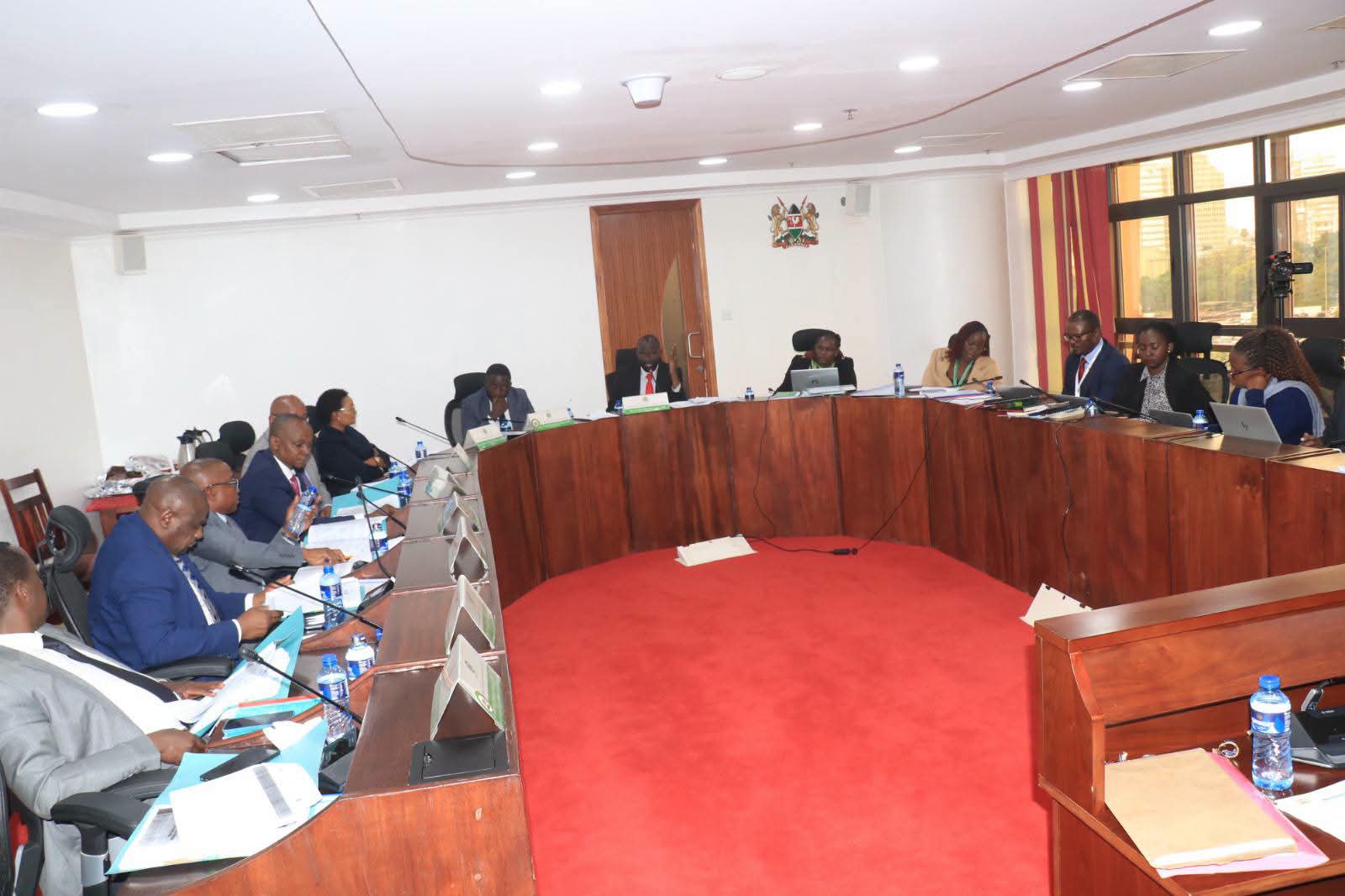
The National Assembly’s Public Investments Committee on Education and Governance has raised concern as audit exposes exposed widespread non-compliance with Kenya’s ethnic diversity laws in several public Technical and Vocational Education and Training (TVET) institutions, raising concerns over fairness, inclusivity and adherence to constitutional principles in public sector recruitment.
The committee, chaired by Luanda MP Dick Maungu, was reviewing Auditor-General reports covering the financial years 2018/19 to 2024/25 when concerns over skewed staffing patterns emerged across multiple institutions.
The committee heard that several TVET institutions had failed to comply with the National Cohesion and Integration Act, 2008, which requires that no single ethnic community should constitute more than one-third of staff in public institutions.
Institutions that appeared before the committee included Bungoma North Technical and Vocational College, Chamasiri Technical and Vocational College, Musakasa Technical Training Institute, and Okame Technical and Vocational College.
Audit findings revealed significant disparities in staffing composition. At Bungoma North Technical and Vocational College, auditors established that 57 out of 76 employees, representing about 75 per cent, were drawn from one ethnic community.
ALSO READ:
Trans Nzoia allocates Ksh140M to boost education and vocational training
Principal Lilian Simali attributed the imbalance to early recruitment practices that relied heavily on locally available personnel.
At Chamasiri Technical and Vocational College, auditors found persistent disparities, with 32 of 73 staff members (44 per cent) coming from one community in the 2024/2025 financial year, while earlier records indicated an even higher concentration of 45 out of 77 staff (58 per cent).
Principal Lawrence Ongata described the situation as historical but assured the committee that corrective measures were underway.
Musakasa Technical Training Institute recorded one of the highest levels of imbalance, with 59 out of 78 staff members (76 per cent) belonging to a single ethnic community.
Principal Moses Sakwa acknowledged the findings and told the committee that recent recruitment exercises had been initiated to address the disparity.
At Okame Technical and Vocational College, auditors found that 32 out of 54 staff members (59 per cent) came from one dominant ethnic group. Management admitted non-compliance but cited limited diversity in job applications from outside the local area.
Maungu warned that continued disregard of constitutional recruitment requirements undermines national unity and fairness in public service.
He emphasized that institutions funded by taxpayers must reflect Kenya’s diversity and uphold equality in employment.
ALSO READ:
How two Trans Nzoia schools are defining the rhythm of Kenyan school sports
“Ethnic imbalance in public service is not only unlawful but also undermines national cohesion and fairness,” he said.
Maungu dismissed justifications based on historical hiring patterns, insisting that institutions must implement deliberate policies to achieve compliance.
The committee has directed all affected institutions to submit clear compliance frameworks and recruitment plans outlining how they intend to achieve ethnic balance.
The findings will be compiled and tabled before the National Assembly after the conclusion of Auditor-General report hearings.
By Kithinji Njeru
You can also follow our social media pages on Twitter: Education News KE and Facebook: Education News Newspaper for timely updates.
>>> Click here to stay up-to-date with trending regional stories
>>> Click here to read more informed opinions on the country’s education landscape