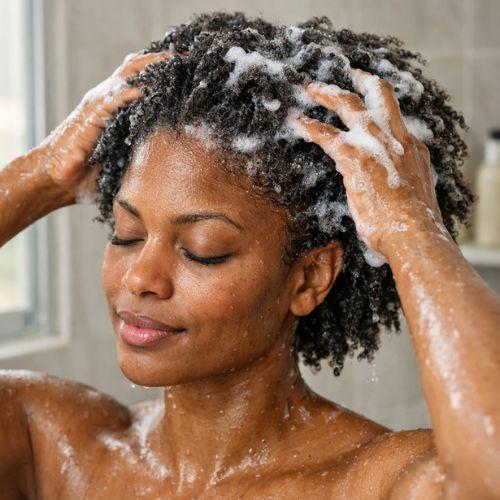
- Ashford Kimani explains why there is no one-size-fits-all hair washing routine, arguing that healthy hair depends on the condition of the scalp, lifestyle, hairstyle and proper hair care rather than social media trends or beauty myths.
For many Kenyans, washing hair is more than a simple hygiene routine. It is tied to beauty, identity, culture, confidence and personal presentation. A fresh haircut, neatly styled braids, clean natural hair or a well-maintained weave can transform how a person feels and how they are perceived. Yet one question continues to divide households, salons and social media conversations: How often should we wash our hair?
Some people believe hair must be washed every day to remain clean. Others insist that frequent washing removes natural oils and causes dryness, breakage and hair loss. Many people with braids or other protective hairstyles may go for several weeks without washing their hair, while some young professionals shampoo almost daily because of exercise, heat, dust or an oily scalp.
The truth is that there is no universal timetable. The right washing routine depends on the condition of the scalp, the texture of the hair, the hairstyle, the products used and a person’s daily lifestyle. What works for someone with short, straight hair may not work for a person with thick, tightly coiled natural hair. A routine that keeps one person’s hair healthy may leave another person’s scalp dry, itchy or overloaded with product.
The most important lesson is simple: hair care should be guided by the needs of the scalp rather than by fashionable rules or social media trends.
Your scalp should determine your wash routine
In Kenya, the environment also matters. Many people live and work in dusty towns and cities. Commuters spend hours on busy roads, walk through crowded streets or travel in open vehicles. Those living in dry areas may experience dust settling on the hair and scalp, while people in hot and humid regions may sweat more frequently. Regular exercise, outdoor work and exposure to heat can also cause the scalp to feel oily or uncomfortable.
For this reason, some Kenyans may need to wash their hair more often than others. However, frequent washing does not automatically mean healthy hair. The purpose of washing is to remove excess oil, sweat, dirt, dead skin cells and product buildup. It should clean the scalp without stripping the hair of the moisture it needs.
The scalp naturally produces an oily substance known as sebum. This oil protects the skin and helps prevent excessive dryness. But when too much oil combines with sweat, dust, styling creams, hair food, gels and other products, it may create a heavy layer of buildup. The hair can begin to look dull, greasy or lifeless. The scalp may become itchy, and flakes may appear.
This is particularly important in a country where many people use several hair products at the same time. It is common to apply hair food, oils, moisturisers, gels, edge-control products and styling creams in the hope of encouraging growth or maintaining a neat appearance. While these products may be useful when applied correctly, using too many of them can leave residue on the scalp.
More product does not always mean healthier hair.
Sometimes, a person may believe that their hair is dry and respond by adding more oil every day. Yet the real problem may be product buildup or an unhealthy scalp. The hair may become heavy and difficult to manage, while the scalp remains itchy underneath. In such cases, proper cleansing may be more useful than adding another layer of oil.
At the same time, excessive shampooing can create problems. Strong shampoos may remove too much natural oil, especially from curly and coily hair. The hair may become rough, dry and brittle. It may break more easily during combing or styling. Some people may then mistake this breakage for hair loss and begin searching for expensive treatments when the problem may be linked to an overly harsh washing routine.
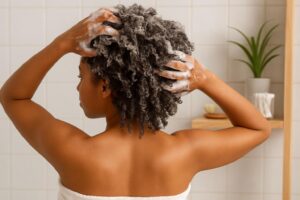
People with fine or straight hair may notice oil more quickly because natural oils can move easily from the scalp along the hair strands. They may need to wash their hair two or three times a week, depending on how oily their scalp becomes. Those with very oily scalps may need more frequent cleansing.
However, people with tightly curled or coily hair often require a different approach. The natural bends and twists in the hair make it harder for scalp oils to travel from the roots to the ends. As a result, the scalp may produce enough oil while the lengths of the hair remain dry. Washing too frequently with strong shampoo may worsen this dryness and increase breakage.
For many people with natural African hair, washing once a week may be suitable. Others may prefer washing every seven to ten days. The correct routine depends on the condition of the scalp, the amount of product used and how the hair responds after washing. Gentle shampoo, adequate conditioning and careful moisturising can help maintain both cleanliness and strength.
Healthy hair care is about balance
Protective hairstyles also require attention.
Braids, twists, cornrows and locs are popular because they reduce daily manipulation and can help protect the hair from excessive combing. But protective styling does not mean that the scalp should be ignored. Sweat, dust, oil and product residue can still collect beneath the hairstyle.
A person wearing braids for several weeks should pay attention to signs such as persistent itching, an unpleasant smell, visible flakes or heavy buildup around the roots. The scalp may need gentle cleansing even when the hairstyle is still intact. Care should be taken not to rub aggressively or disturb the braids unnecessarily.
Another common belief is that people can “train” their hair to produce less oil by delaying wash days. This idea has become popular online, but there is little evidence that simply leaving the hair unwashed will teach the scalp to stop producing oil. Oil production is influenced by biology and individual skin characteristics. Waiting longer between washes may reduce the amount of time spent washing, but it does not necessarily change how the scalp functions.
Ignoring an itchy or oily scalp in the name of hair training may allow dirt and residue to accumulate. A healthy routine should not be based on endurance. If the scalp is uncomfortable, heavily coated or producing visible flakes, it may be time to cleanse it.
The choice of shampoo is equally important. A product that works well for one person may irritate another. If the scalp feels unusually tight, dry or painful after washing, the shampoo may be too harsh. If itching begins after introducing a new product, the ingredients may be causing irritation. Persistent dandruff, redness, painful bumps or unusual hair loss should not be ignored. In such cases, professional medical advice may be necessary.
Ultimately, Kenyans should stop asking, “How many days should everyone wait before washing their hair?” A better question is, “What does my scalp need?”
A clean scalp should feel comfortable rather than tight. Hair should feel manageable rather than dry and brittle. The right routine may change with the weather, the season, physical activity, hairstyle and the products being used.
There is no prize for washing the hair every day, and there is no virtue in leaving it unwashed for weeks when the scalp is uncomfortable. Healthy hair care is not about following rigid rules. It is about balance.
READ ALSO: National Assembly reviews major education reform Bills as HELB, Universities Fund and TVET Board merger proposed
The scalp speaks through oiliness, dryness, itching, flakes and discomfort. Those signals should guide the routine. In the end, the best wash day is not determined by a beauty trend, a salon myth or a social media challenge. It is determined by what keeps the scalp clean and comfortable and the hair strong, moisturised and healthy.
By Ashford Kimani
Ashford is a teacher of English and Literature who writes on education and social affairs.
You can also follow our social media pages on Twitter: Education News KE and Facebook: Education News Newspaper for timely updates.
>>> Click here to stay up-to-date with trending regional stories
>>> Click here to read more informed opinions on the country’s education landscape
>>> Click here to stay ahead with the latest national news.